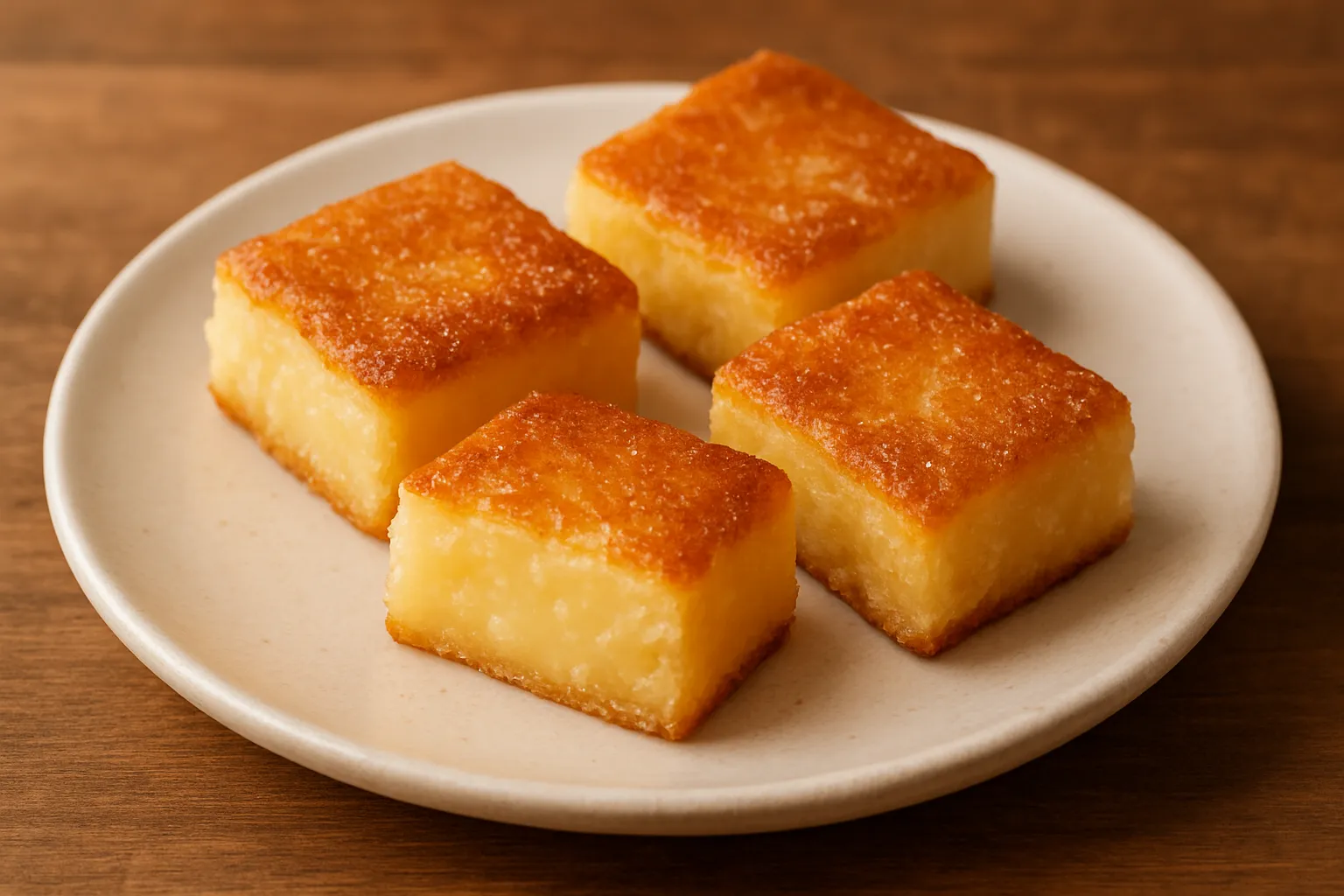
Butter Tteok has recently taken cafes and social media by storm. But what impact does this dessert, with its perfect combination of crispy exterior, chewy interior, and sweet butter, have on our health? We uncover the hidden truth behind Butter Tteok through nutritional analysis and the latest research findings.
Important Notice
This article is written for the purpose of providing general health and lifestyle information and cannot replace professional medical diagnosis, treatment, or care. If you have specific health conditions or symptoms, please consult with qualified healthcare professionals.
🍰 The Butter Tteok Craze: Why Now?
From late 2025 to early 2026, cafes across South Korea have been buzzing with 'Butter Tteok'. This dessert, which originated in Shanghai, is made from glutinous rice flour and tapioca starch, then generously buttered and baked. Its unique 'crispy outside, chewy inside' texture has captivated young consumers.
Social media is flooded with posts about 'hot spots' where people wait in line for over an hour to try Butter Tteok, with some cafes reporting daily sales of several hundred pieces. However, behind this sweet temptation lies a more serious health risk than many realize.
⚠️ Shocking Calories: The Truth About One Piece
Calorie Bomb Warning
100g of Butter Tteok contains approximately 260-330 kcal, equivalent to a bowl of rice. Depending on size, one piece can exceed 400 kcal, three pieces reach 870 kcal, and ten pieces amount to a staggering 2,900 kcal.
| Serving Size | Calories | Comparison |
|---|---|---|
| 1 piece (100g) | 260-330 kcal | 1 bowl of rice, 1/2 hamburger |
| 3 pieces | 870 kcal | 2 hamburgers |
| 5 pieces | 1,450 kcal | 70% of adult female daily recommendation |
| 10 pieces | 2,900 kcal | 120% of adult male daily recommendation |
According to the Korea Food and Drug Administration's nutritional database, Butter Tteok is a high-carbohydrate, high-fat snack with calories reaching up to 330 kcal per 100g. When condensed milk or cream is added, the sugar and fat content soars even higher.
🔬 Nutritional Analysis: What's the Problem?
1. The Refined Carbohydrate Trap
The main ingredients of Butter Tteok—glutinous rice flour and tapioca starch—are classic refined carbohydrates. These refined carbs are quickly broken down into glucose in the body, causing rapid blood sugar spikes. According to research published in international nutrition journals, frequent consumption of high glycemic index (GI) foods can increase insulin resistance and raise the risk of developing type 2 diabetes.
2. Saturated Fat Risks
100g of Butter Tteok contains approximately 7-10g of fat, much of which is saturated fat. Long-term tracking studies from Harvard Medical School indicate that excessive saturated fat intake can raise LDL (bad) cholesterol levels and increase cardiovascular disease risk.
3. Nutritional Imbalance
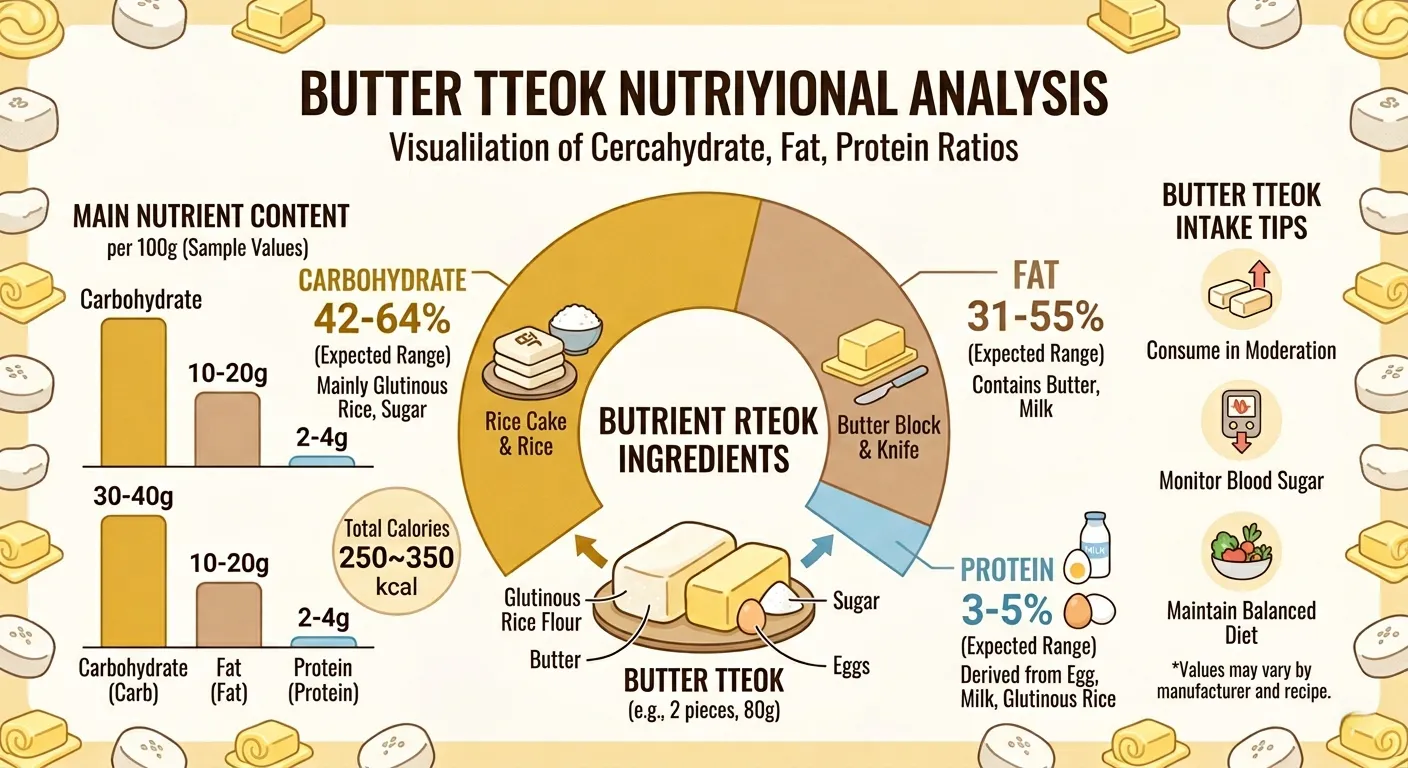
Butter Tteok 100g Nutritional Breakdown
- Carbohydrates: 72-73g (70-80% of total calories)
- Fat: 3.9-7g (high in saturated fat)
- Protein: 4g (very low)
- Dietary Fiber: Almost none
- Sugars: High (increases further with condensed milk)
The problem is nutritional imbalance. Butter Tteok is a high-carbohydrate, high-saturated-fat snack, and excessive consumption can burden your health. It contains almost no essential nutrients like protein, dietary fiber, vitamins, or minerals while being high in calories—a classic example of 'Empty Calories'.
🚨 Health Risks: Short-term and Long-term Effects
Short-term Effects
- Blood Sugar Spike: Rapid blood sugar elevation within 30-60 minutes of consumption, causing fatigue and reduced concentration
- Digestive Burden: High-fat, high-carb combination leads to indigestion and bloating
- Food Coma: Severe drowsiness from rapid blood sugar rise and fall
Long-term Effects
Medical Community Warning
The Korean Society for the Study of Obesity and the Korean Diabetes Association warn that frequent consumption of high-carbohydrate, high-fat desserts is a major risk factor for metabolic syndrome, obesity, type 2 diabetes, and cardiovascular disease. Particularly, foods with high GI like Butter Tteok can worsen insulin resistance.
- Obesity: Consuming 3-4 times per week can lead to 1-2kg weight gain per month
- Insulin Resistance: Continuous blood sugar spikes impair insulin function
- Cardiovascular Disease: Excessive saturated fat and sugar intake raises LDL cholesterol
- Fatty Liver: Excess carbohydrates convert to triglycerides and accumulate in the liver
💡 Smart Consumption Guide: How to Enjoy Without Quitting Completely
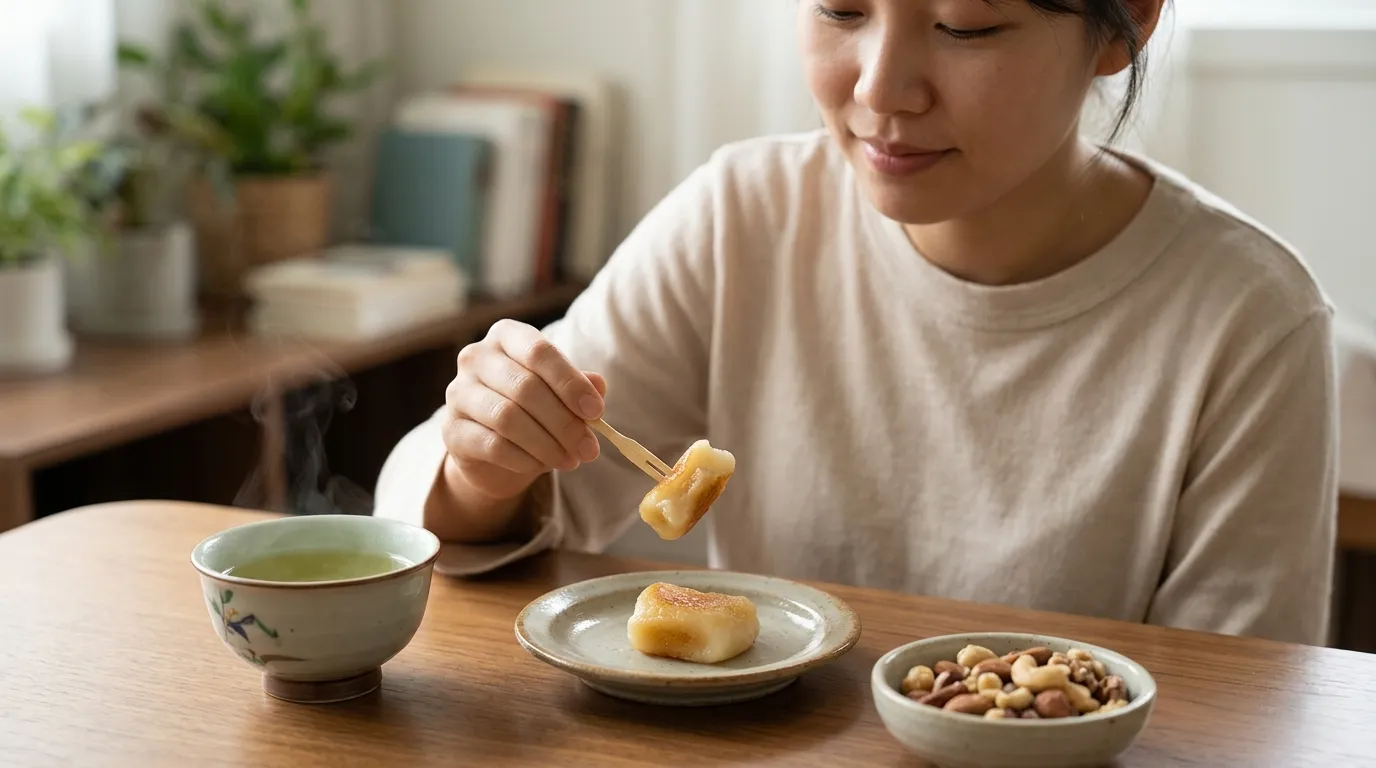
Nutritionists advise that "enjoying wisely is more important than complete prohibition." Here are ways to minimize the health impact when occasionally enjoying Butter Tteok.
5 Commandments of Safe Consumption
- Limit to 1 piece: Restrict single serving to 1 piece (100g)
- Once a week or less: Control frequency to once weekly or less
- Morning/afternoon: Consume during active daytime hours, not evening
- Exercise pairing: 40-50 minutes of cardio needed to burn 1 piece
- No solo consumption: Eat with protein (nuts, yogurt) to slow blood sugar rise
Alternative Recommendations: Healthy Desserts
| Dessert | Calories (100g) | Health Rating |
|---|---|---|
| Butter Tteok | 260-330 kcal | ★☆☆☆☆ |
| Greek Yogurt + Fruit | 80-120 kcal | ★★★★★ |
| Dark Chocolate (70%+) | 150-180 kcal | ★★★☆☆ |
| Baked Sweet Potato | 90-110 kcal | ★★★★☆ |
| Nut Mix | 150-200 kcal | ★★★☆☆ |
📊 Expert Interview: "Enjoy, but Moderation is Key"
"Butter Tteok is certainly a delicious dessert. However, nutritionally speaking, it should remain an 'occasional indulgence.' If consumed daily or several times a week, it will definitely have negative health impacts. What's important is a balanced diet and regular exercise."
— Dr. Kim, Clinical Nutrition Specialist
🎯 Conclusion: Knowledge is Power
Butter Tteok is a sweet temptation, but significant calories and health risks lurk beneath its surface. The high caloric content of 260-330 kcal per 100g, excessive refined carbohydrates and saturated fats, and nutritional imbalance are issues that cannot be overlooked.
However, rather than complete prohibition, it's important to make informed choices. Occasional enjoyment is fine, but frequency and quantity must be strictly managed. Health is not built from one choice but from daily small habits.
Disclaimer: This article is written for the purpose of providing general health and lifestyle information and cannot replace professional medical diagnosis, treatment, or care. If you have specific health conditions or symptoms, please consult with qualified healthcare professionals.