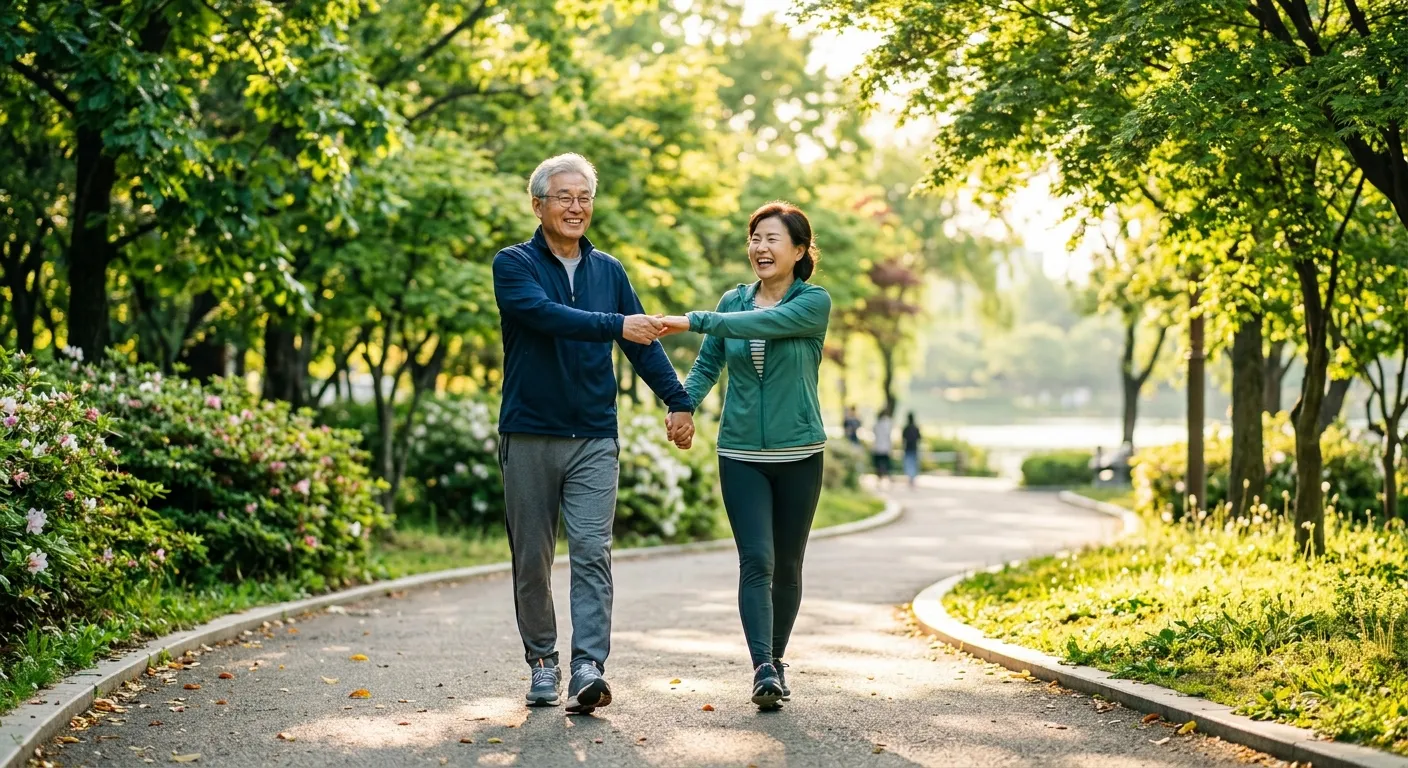
Every year, we add another candle to the birthday cake — but not everyone ages at the same rate. Some people are hiking mountains in their seventies; others struggle with the stairs in their fifties. What makes the difference? Modern aging biology has begun to answer that question, and the answer is surprisingly empowering: aging isn't a fixed fate. It's a biological process shaped, in meaningful ways, by the choices we make every day. From the cellular mechanics of senescence to evidence-backed habits that can genuinely slow the biological clock, this guide covers what the science actually says — without the hype or false promises.
A growing field called longevity medicine is emerging at the intersection of preventive healthcare and aging science. Rather than waiting for disease to strike, it aims to extend what researchers call healthspan — the years spent in good health, free of serious disability. Physicians like Peter Attia have brought this concept to mainstream audiences, emphasizing that the goal isn't just living longer, but living better. That said, not every claim in this space is equally well-supported, and we'll be careful to distinguish between what's well-established and what's still speculative.
This article is intended for general health information purposes only and does not constitute medical advice, diagnosis, or treatment. It is not a substitute for professional medical consultation. If you have any specific health conditions or symptoms, please consult a qualified healthcare provider before making changes to your lifestyle or starting new supplements.
Chronological vs. Biological Age: The Difference That Matters
Your chronological age is simply the number of years since you were born. Your biological age is something different — it reflects how old your cells, tissues, and organs actually are, based on measurable biomarkers. Two people of the same chronological age can have meaningfully different biological ages, and that gap matters enormously for health outcomes.
A landmark 2013 paper in the journal Cell — now among the most cited works in aging research — defined aging not as the simple accumulation of time, but as a convergence of nine distinct biological hallmarks: genomic instability, telomere shortening, epigenetic alterations, loss of proteostasis, dysregulated nutrient sensing, mitochondrial dysfunction, cellular senescence, stem cell exhaustion, and altered intercellular communication. These don't operate independently — when one system falters, it tends to stress the others.
One of the most exciting recent tools for measuring biological age is the epigenetic clock — a method of estimating age based on patterns of DNA methylation in the blood. While consumer tests are now available, results should be interpreted with caution and ideally with professional guidance. More useful than chasing a single number is the concept of pace of aging: how fast is your body aging per calendar year? Emerging research suggests this rate is not fixed, but can be accelerated or slowed by lifestyle choices.
Evidence from identical twin studies is particularly compelling: twins with identical DNA can diverge significantly in biological age based on smoking, sun exposure, sleep habits, and diet. This confirms that genes set a range of possibilities — our daily choices determine where within that range we actually land.
- Genomic Instability
- Telomere Shortening
- Epigenetic Changes
- Loss of Proteostasis
- Nutrient Sensing Dysregulation
- Mitochondrial Dysfunction
- Cellular Senescence
- Stem Cell Exhaustion
- Altered Intercellular Signaling
"Aging is not a fixed fate but a process shaped by the accumulation of everyday choices." – A perspective shared across modern longevity biology
Six Biological Mechanisms That Drive Aging
Of the nine hallmarks, six are especially closely tied to lifestyle factors that we can actually influence.
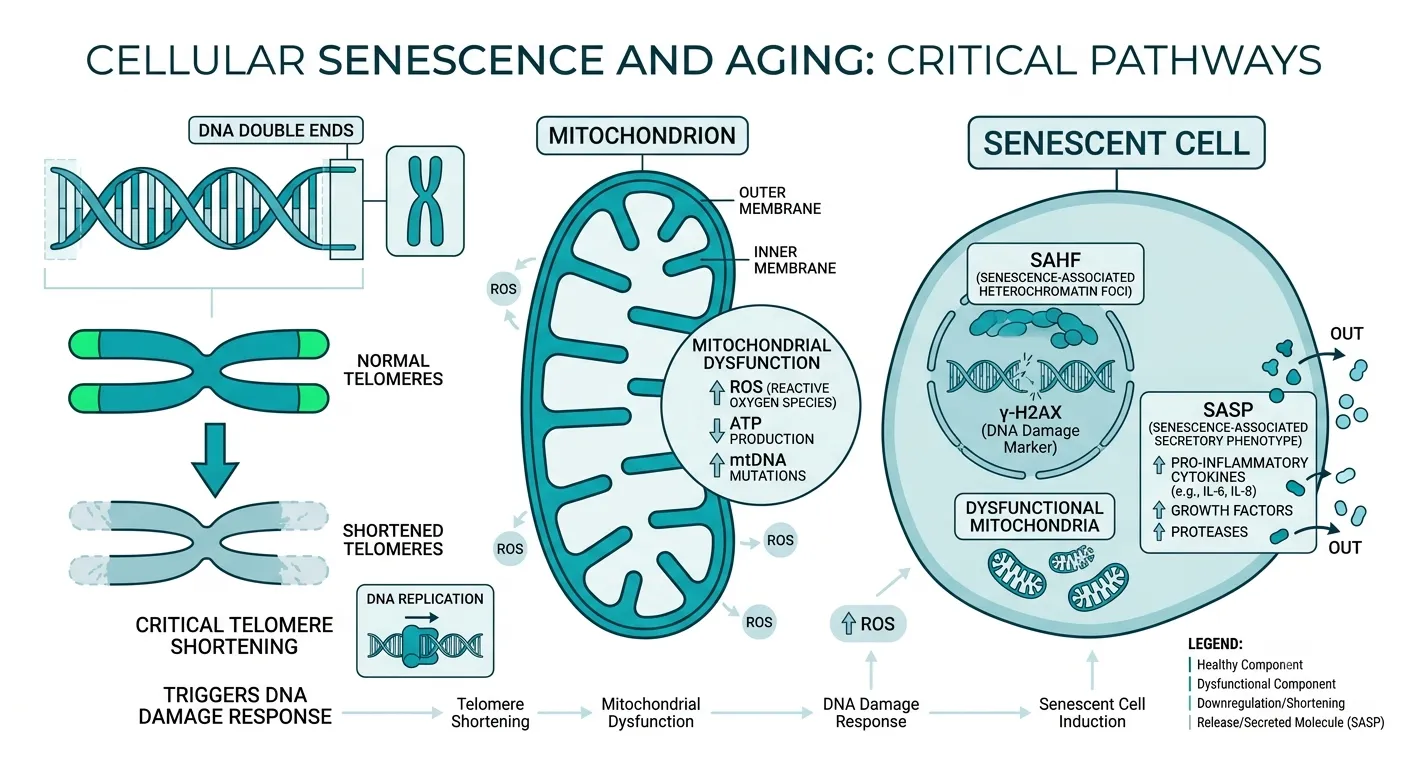
Telomere Shortening: The Cellular Expiration Date
Telomeres are protective caps at the ends of chromosomes — think of them like the plastic aglets on a shoelace. Each time a cell divides, telomeres shorten slightly. When they become critically short, cells stop dividing or begin sending distress signals. The 2009 Nobel Prize in Physiology was awarded to the researchers who discovered telomeres and the enzyme telomerase, underscoring how fundamental this mechanism is to aging biology.
Cellular Senescence: The "Zombie Cell" Problem
Senescent cells are damaged cells that refuse to die but can no longer divide properly. They accumulate in tissues over time and secrete a cocktail of inflammatory molecules — a phenomenon called SASP (Senescence-Associated Secretory Phenotype) — that can harm neighboring healthy cells. Researchers often call them "zombie cells." A promising class of drugs called senolytics aims to selectively clear these cells, though most are still in clinical trials and not available for general use.
Chronic Inflammation: "Inflammaging"
As we age, a low-grade, persistent inflammatory state tends to develop even without obvious infection or injury. Researchers coined the term inflammaging to capture this phenomenon. Chronic inflammation accelerates damage across multiple organ systems — the cardiovascular system, joints, and brain among them. Excess visceral fat is a particularly potent driver of inflammaging, which is one reason body composition matters well beyond appearance.
Mitochondrial Dysfunction: Losing the Power Grid
Mitochondria are the energy factories of every cell. With age, they become less efficient and produce more reactive oxygen species (ROS). The result is a gradual energy deficit at the cellular level, contributing to muscle loss and chronic fatigue. Fortunately, mitochondria are among the most responsive biological structures to exercise: aerobic training and HIIT have both been shown to stimulate mitochondrial biogenesis — literally growing new, more efficient mitochondria.
Impaired Autophagy: When the Cellular Cleanup Stalls
Autophagy is the cell's built-in recycling system — it breaks down damaged internal components and repurposes them. Yoshinori Ohsumi's Nobel Prize-winning 2016 research brought this concept to mainstream attention. With age, autophagy slows, allowing damaged proteins and organelles to accumulate. Certain forms of exercise and caloric restriction have been associated with upregulating autophagy, though the mechanisms in humans are still being studied.
Oxidative Stress: The Rust Inside
When the balance between free radical production and antioxidant defenses tips too far toward oxidation, DNA, cell membranes, and proteins all accumulate damage over time. Interestingly, research has complicated the older view that simply taking antioxidant supplements reverses this process — in some contexts, excessive antioxidant supplementation may actually interfere with beneficial cellular adaptations to exercise. A varied diet rich in colorful plant foods remains the most reliably beneficial approach.
In clinical practice, these mechanisms are tracked indirectly through markers like high-sensitivity CRP (hs-CRP) for inflammation, HbA1c for metabolic health, and increasingly, grip strength and VO2max as proxies for overall physical aging. Monitoring these in regular check-ups gives a more complete picture than any single biomarker.
| Factors That Accelerate Aging | Factors That May Help Slow Aging |
|---|---|
| Chronic sleep deprivation | Consistent 7–8 hours of quality sleep |
| Smoking and secondhand smoke | Quitting smoking and clean environments |
| Ultra-processed, high-sugar diets | Plant-rich, whole-food dietary patterns |
| Sedentary lifestyle | Regular strength and aerobic exercise |
| Chronic psychological stress | Stress management and adequate rest |
| Social isolation | Active social connections |
| Unprotected UV exposure | Consistent sunscreen use |
Key Insight
Large-scale twin studies and cohort research consistently find that lifestyle and environmental factors account for a substantial portion of the variation in biological aging — often rivaling or exceeding genetic contributions. Aging is not purely destiny; it's significantly modifiable.
Lessons from the World's Longest-Lived Communities (Blue Zones)
Researcher and author Dan Buettner identified five geographic regions with unusually high concentrations of centenarians: Okinawa (Japan), Sardinia (Italy), Ikaria (Greece), Nicoya Peninsula (Costa Rica), and Loma Linda (California). Despite vast cultural differences, these "Blue Zones" share striking lifestyle patterns.
Movement is woven into daily life rather than scheduled as gym sessions — through gardening, walking, and physical labor. Strong social bonds are the rule, not the exception. Plant-forward diets dominate, with a culture of eating until roughly 80% full. And crucially, residents have a clear sense of life purpose — called ikigai in Okinawa and plan de vida in Nicoya.
| Blue Zone | Location | Key Features |
|---|---|---|
| Okinawa | Japan | Ikigai, hara hachi bu (80% rule), moai social groups, plant-rich diet |
| Sardinia | Italy | Hilly terrain encourages movement, notably high rate of male centenarians |
| Ikaria | Greece | Midday rest culture, Mediterranean diet, low rates of dementia reported |
| Nicoya | Costa Rica | Plan de vida, family-centered culture, traditional corn and bean diet |
| Loma Linda | California | Seventh-day Adventist community, plant-based diet, no smoking or alcohol |
It's worth noting that Blue Zone research is observational and has faced some methodological scrutiny, including questions about the accuracy of birth records in certain regions. Still, the cross-cultural consistency of these patterns provides a valuable real-world complement to laboratory aging science — and they align closely with the evidence-based habits we cover next.
How Your Body Changes by Decade
Optimal aging strategies shift with life stage. Here's a concise decade-by-decade view:
| Decade | Key Changes | Priority Focus |
|---|---|---|
| 30s | Slow onset of muscle loss, metabolic rate begins to ease | Build exercise habits; establish good sleep patterns |
| 40s | Hormonal shifts, higher risk of "sarcopenic obesity" | Prioritize resistance training; increase protein intake |
| 50s | Accelerated bone density loss, joint flexibility declines | Bone-loading exercises; check bone density and cholesterol |
| 60s+ | Functional independence becomes the key health metric | Balance, strength, and cognitive training; fall prevention |
The common thread across all decades is that starting earlier pays compound dividends. But at any age, beginning today is meaningfully better than continuing to wait.
Seven Science-Backed Habits to Slow Aging
Here are the lifestyle practices that appear most consistently across aging research — not as miracle cures, but as reliable contributors to healthier biological aging.
1. Resistance Training: Defend Your Muscle Mass
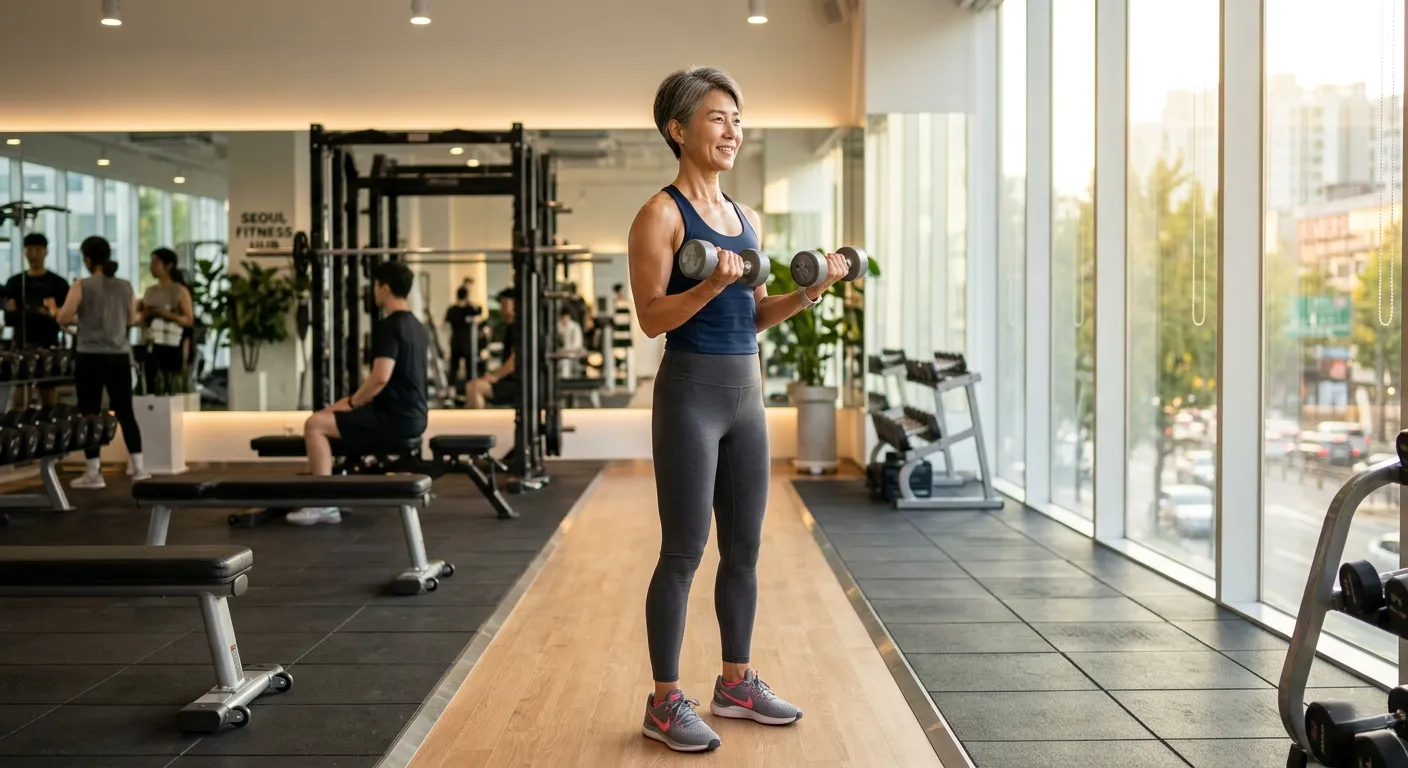
Without deliberate effort, we begin losing muscle mass gradually from our mid-30s onward — a process called sarcopenia. Muscle isn't just about strength; it's a metabolically active organ critical for glucose regulation and hormonal balance. Two to three sessions of resistance training per week can help preserve both muscle mass and bone density as we age.
Protein intake matters too. Muscle protein synthesis is most active in the hours following a workout, making post-exercise nutrition an important consideration. Most adults need at least 0.8g of protein per kilogram of body weight daily; those actively trying to maintain or build muscle may need more. Consult a dietitian or physician for guidance tailored to your health profile.
If you're new to exercise, start conservatively: chair stands, light dumbbells, or resistance bands are perfectly valid entry points. The key principle is progressive overload — gradually increasing the challenge over time — which keeps the body adapting rather than plateauing.
2. Aerobic Exercise: Train Your Heart and Your Mitochondria
Brisk walking, swimming, cycling — moderate-intensity cardio does double duty, supporting cardiovascular health and stimulating mitochondrial biogenesis. The WHO recommends at least 150 minutes of moderate-intensity aerobic activity per week for adults, and evidence suggests this target is associated with meaningfully reduced all-cause mortality risk.
You don't need long, unbroken workouts. Research shows that accumulated bouts of 10 minutes can yield comparable benefits. And beyond structured exercise, NEAT (Non-Exercise Activity Thermogenesis) — the energy spent in daily activities like walking to the store, cleaning, or taking the stairs — adds up significantly and shouldn't be overlooked.
| Exercise Type | Key Benefits | Recommended Frequency |
|---|---|---|
| Resistance Training | Muscle mass, bone density, metabolic health | 2–3× per week |
| Moderate Aerobic (walking, swimming) | Cardiovascular health, mitochondrial function | ≥150 min/week |
| Balance & Flexibility (yoga, Pilates) | Fall prevention, joint mobility | 2–3× per week |
| High-Intensity Interval (HIIT) | Cardiorespiratory fitness, metabolic efficiency | 1–2× per week (fitness-appropriate) |
3. Dietary Pattern: Mediterranean-Style Eating
No single "superfood" prevents aging. What the research consistently supports is a dietary pattern — specifically, one rich in vegetables, legumes, whole grains, fish, olive oil, and nuts, in the tradition of Mediterranean eating. Long-term cohort studies have linked this pattern to reduced risks of cardiovascular disease and cognitive decline.
Gut microbiome diversity is also gaining attention as a factor in healthy aging. A fiber-rich, plant-forward diet is among the most effective ways to support a diverse, beneficial microbiome.
| Category | Examples | Why It Helps |
|---|---|---|
| Plant protein & fish | Legumes, tofu, salmon, mackerel | Omega-3s and high-quality protein |
| Colorful vegetables & fruit | Blueberries, spinach, tomatoes | Antioxidants, fiber, phytonutrients |
| Whole grains | Brown rice, oats, whole wheat | Stabilizes blood glucose response |
| Healthy fats | Olive oil, avocado, nuts | Anti-inflammatory fatty acid profile |
| Limit these | Processed meats, sugary drinks, ultra-processed foods | Associated with increased inflammation |

4. Sleep: The Most Underrated Anti-Aging Strategy
During deep (slow-wave) sleep, the brain's waste-clearance system — the glymphatic system — is most active, flushing out metabolic byproducts that may be linked to neurodegeneration. Growth hormone secretion also peaks during deep sleep, supporting tissue repair. Chronic sleep deprivation elevates cortisol, impairs immune function, and has been associated with shorter telomere length in some studies. The consensus recommendation for adults is 7–8 hours of quality sleep per night.
The proportion of deep sleep naturally declines with age, making sleep hygiene especially important for older adults. Consistent sleep and wake times, a dark and cool bedroom environment, and limiting blue-light exposure before bed are among the most evidence-supported strategies for protecting sleep quality.
5. Stress Management: The Cortisol Connection
Chronic psychological stress elevates cortisol, promotes systemic inflammation, and burdens cardiovascular and metabolic regulation. Mindfulness-based stress reduction (MBSR) has been among the more rigorously studied interventions and shows modest but meaningful benefits for stress and well-being in multiple clinical trials. That said, any personally sustainable stress-relief practice — whether reading, gardening, or creative hobbies — can play a meaningful role. Even five minutes of slow, counted breathing can engage the parasympathetic nervous system.
6. Social Connection: Loneliness as a Health Risk
The Harvard Study of Adult Development, now spanning more than 80 years, found that the quality of close relationships was the strongest predictor of late-life health and happiness — more so than wealth, fame, or even cholesterol levels. Social isolation has been consistently linked to elevated inflammation, accelerated cognitive decline, and increased cardiovascular risk. Oxytocin released during warm social interaction may help dampen cortisol activity, while chronic loneliness can push the immune system toward a more pro-inflammatory state.
Quality matters more than quantity. A few close, supportive relationships consistently outperform a wide network of shallow connections in longitudinal research.
7. Sun Protection and Quitting Smoking
Ultraviolet radiation — particularly UVA — penetrates deep into the dermis, degrading collagen and elastin and causing what dermatologists call photoaging. Daily SPF 30+ sunscreen application is one of the most cost-effective skin aging prevention measures available. UVA penetrates glass, so indoor sun exposure should not be ignored. Smoking adds oxidative stress systemically and accelerates cellular aging beyond just the skin. Quitting is beneficial at any age — the benefits of cessation begin accruing within days.
The Brain Ages Too: Cognitive Aging & Prevention
Brain volume begins declining gradually from the mid-40s, and processing speed tends to slow with age. However, there's an important distinction between normal cognitive aging — modest slowing of memory retrieval, reduced multitasking efficiency — and pathological decline associated with conditions like Alzheimer's disease. If cognitive changes begin interfering significantly with daily life, professional evaluation is warranted.
The positive news is that lifestyle factors strongly influence brain aging. Aerobic exercise has been among the most consistently replicated interventions for slowing hippocampal volume decline. Sleep quality matters: the glymphatic system clears amyloid-beta (associated with Alzheimer's pathology) primarily during slow-wave sleep, making sleep deprivation a particular concern for long-term brain health. Social engagement and "cognitive enrichment" — learning new skills, languages, or instruments — are also associated with preserved cognitive function in later life.
| Brain-Protective Factors | Factors That May Harm Brain Health |
|---|---|
| Regular aerobic exercise | Chronic sleep deprivation |
| Learning new skills, languages, instruments | Chronic severe stress |
| Rich social engagement | Social isolation and loneliness |
| Anti-inflammatory dietary patterns | Heavy alcohol consumption |
| Quality sleep (7–8 hours) | Smoking |
| Well-managed blood pressure and blood sugar | Uncontrolled hypertension or diabetes |
Anti-Aging Supplements: What the Evidence Actually Says
The supplement market makes bold longevity claims, but the evidence base varies enormously. Here's an honest snapshot of commonly discussed options:
| Supplement | Current Evidence | Cautions |
|---|---|---|
| Vitamin D | Deficiency linked to bone loss and immune decline; supplementation when deficient is well-supported | Toxicity at high doses; blood test recommended before supplementing |
| Omega-3 Fatty Acids | Substantial evidence for cardiovascular benefits; brain health links under active study | May interact with anticoagulants; discuss with a physician |
| NMN / NR (NAD+ precursors) | Promising animal data; human trials are early-stage and limited in scope | Long-term safety unestablished; high cost relative to current evidence |
| Resveratrol | Antioxidant/anti-inflammatory properties in vitro; human bioavailability is poor | Whole-food polyphenol sources are more reliable than isolated supplements |
| Collagen Peptides | Some trials show skin hydration and joint support benefits | Whether oral collagen directly rebuilds skin collagen remains debated |
| Magnesium | Sleep quality improvement and muscle relaxation well-supported; deficiency is common | GI side effects at high doses; caution with kidney disease |
The guiding principle: supplements should complement a sound diet and lifestyle, not replace it. If you're taking prescription medications, consult your healthcare provider or pharmacist before adding any new supplement — interactions are a real concern.
Skin Aging Guide: Outside Meets Inside
The skin is the most visible canvas of aging and also one of the most directly influenced by both lifestyle and environment. Photoaging from UV exposure accounts for a large fraction of visible skin aging — including wrinkles, laxity, and pigmentation changes. UVA, which penetrates glass, is particularly insidious since it causes deeper dermal damage.
Ingredients with the Best Evidence
Retinol (Vitamin A derivatives) have the most robust body of evidence for skin aging: they stimulate cell turnover, support collagen synthesis, and have been used in dermatology for decades. Start at low concentrations and increase gradually — initial irritation is common. Vitamin C (ascorbic acid) provides antioxidant protection and cofactor support for collagen synthesis; it's most effective when combined with UV protection during the day. Niacinamide is well-tolerated, supports the skin barrier, and has modest evidence for brightening uneven pigmentation.
Always test new actives on a small area first, and consult a dermatologist if you experience persistent irritation or have underlying skin conditions.
Nutrition for Skin Health
Skin health starts from within. Adequate hydration supports skin turgor and radiance. Omega-3 fatty acids (from oily fish, flaxseed, walnuts) help maintain the skin barrier. Colorful plants provide antioxidants that protect skin cells from oxidative damage. There is no single "beauty nutrient" — overall dietary quality is what consistently shows up in research.
Environment & Circadian Rhythm: Hidden Variables
Beyond the classic lifestyle pillars, when and how we interact with our environment matters. The body's circadian rhythm — an approximately 24-hour internal clock — regulates everything from cortisol release to cell division to immune function. When this clock is chronically disrupted — through irregular sleep schedules, late-night light exposure, or shift work — metabolic and inflammatory consequences can accumulate over time.
Practical strategies for supporting circadian health: seek morning natural light exposure to anchor your biological clock; minimize bright light and screen exposure in the two hours before bed; and, where possible, keep meal timing consistent, since the digestive system has its own peripheral clocks that benefit from regularity.
Air quality also deserves attention. Long-term exposure to fine particulate matter (PM2.5) has been associated with increased oxidative stress and systemic inflammation. Using air purifiers, ventilating indoor spaces regularly, and reducing outdoor activity on high-pollution days are all practical mitigation strategies.

Common Myths About Aging
Myth 1: "Collagen supplements directly rebuild skin collagen."
Some trials have shown improvements in skin hydration and elasticity with collagen peptide supplementation, but the mechanism is debated — it's not clear that ingested collagen peptides are preferentially incorporated into skin collagen. Sunscreen, a nutrient-rich diet, and retinol have a more direct and better-established impact on skin aging than collagen drinks or powders.
Myth 2: "One superfood can stop aging."
Blueberries, açaí, turmeric — all genuinely contain beneficial compounds. But the research on individual foods pales in comparison to the evidence for overall dietary patterns. A varied, plant-forward diet delivers a synergistic array of nutrients that no single food can replicate.
Myth 3: "If you look young, your insides are healthy too."
Skin aging and internal aging do not track perfectly together. Someone with relatively youthful skin can have advanced arterial stiffness, elevated metabolic markers, or early cognitive changes — and vice versa. External appearance is a partial, imperfect window into biological age. Regular preventive health screening provides a far more complete picture.
Myth 4: "Exercise is dangerous for older adults."
This is among the most harmful misconceptions in aging medicine. The risks of being sedentary — accelerated muscle loss, bone density decline, higher fall risk, impaired metabolic health — far outweigh the risks of appropriately structured exercise for most older adults. The key phrase is "appropriately structured." Starting with low intensity, choosing joint-friendly modes of exercise, and getting medical clearance if you have existing conditions is prudent, but avoidance of all activity is rarely justified.
Frequently Asked Questions
Q: Do NMN or NAD+ supplements really slow aging in humans?
Animal data are genuinely intriguing, but human trials are still early, small, and varied in design. There isn't yet sufficient evidence to confidently recommend these for anti-aging purposes. If you're considering them, discuss with a physician — especially since some preparations are quite expensive and quality control varies.
Q: Does intermittent fasting extend lifespan?
Time-restricted eating and intermittent fasting show metabolic benefits in several short-term trials, but long-term evidence in humans is limited. They're not appropriate for everyone — particularly individuals with diabetes, a history of eating disorders, or who are pregnant. If you'd like to try it, a gradual approach with medical guidance is advisable.
Q: Are at-home biological age test kits worth it?
Epigenetic age tests can be interesting and even motivating for some people, but the algorithms differ significantly between products, and a single number shouldn't drive major health decisions. Use them as a data point, not a diagnosis.
Q: What age should I start thinking about anti-aging strategies?
Biologically, some age-related changes begin in the 30s. But the truthful answer is: whenever you start is fine, and starting now is always better than continuing to delay. Many of the foundational habits — exercise, diet, sleep — deliver benefits at every age.
Q: Is cold exposure or sauna beneficial for aging?
Both represent applications of a concept called hormesis — beneficial cellular adaptation in response to mild stress. Sauna use has some epidemiological backing, particularly from Finnish studies linking regular sauna use to cardiovascular benefits. Cold water immersion is more speculative for longevity specifically. Neither is without risk in cardiovascular disease; consult a physician before adopting either practice.
Q: Can I take multiple anti-aging supplements together?
Supplement-supplement and supplement-drug interactions are real and underappreciated. Before combining multiple supplements, especially if you take prescription medications, consult your physician or pharmacist. More isn't always more.
Takeaway: Start Today
There is no magic that reverses aging. But the science is genuinely clear that the rate of aging is not fixed — it responds, meaningfully, to how we live. The convergence of evidence from molecular biology, epidemiology, and population studies points to the same core principles: move regularly, eat a varied plant-forward diet, protect your sleep, manage stress, nurture your relationships, and shield your skin from UV.
The longevity research horizon is genuinely exciting: senolytics, precision microbiome interventions, AI-enabled biological age monitoring, and more are advancing rapidly. But the foundational habits described in this article are unlikely to be displaced by any emerging technology — they're the non-negotiable substrate on which every future advance will build.
5 Small Habits to Start Today
- Take the stairs instead of the elevator just once today
- Go to bed 30 minutes earlier than usual tonight
- Swap a processed snack for a handful of nuts or a piece of fruit
- Send a message to someone you care about and haven't checked in with lately
- Step outside for 10 minutes of natural light (with sunscreen)
Aging well isn't about perfection or radical transformation — it's about consistent, sustainable choices layered over years. The best anti-aging practice is the one you'll actually maintain. Start with one habit, build from there, and treat the whole endeavor not as a battle against time, but as an investment in the life you want to be living decades from now. 🌿