Artificial intelligence is fundamentally changing the way we work. In 2026, AI has become an essential tool in every field—from coding and design to video production and research. This article presents the Top 10 AI Tools of 2026, selected through extensive testing of numerous AI tools and analysis of Reddit, LinkedIn, and expert reviews. We provide detailed information on each tool's actual use cases, price comparisons, and who they're best suited for.
🎯 Key Criteria for Choosing AI Tools
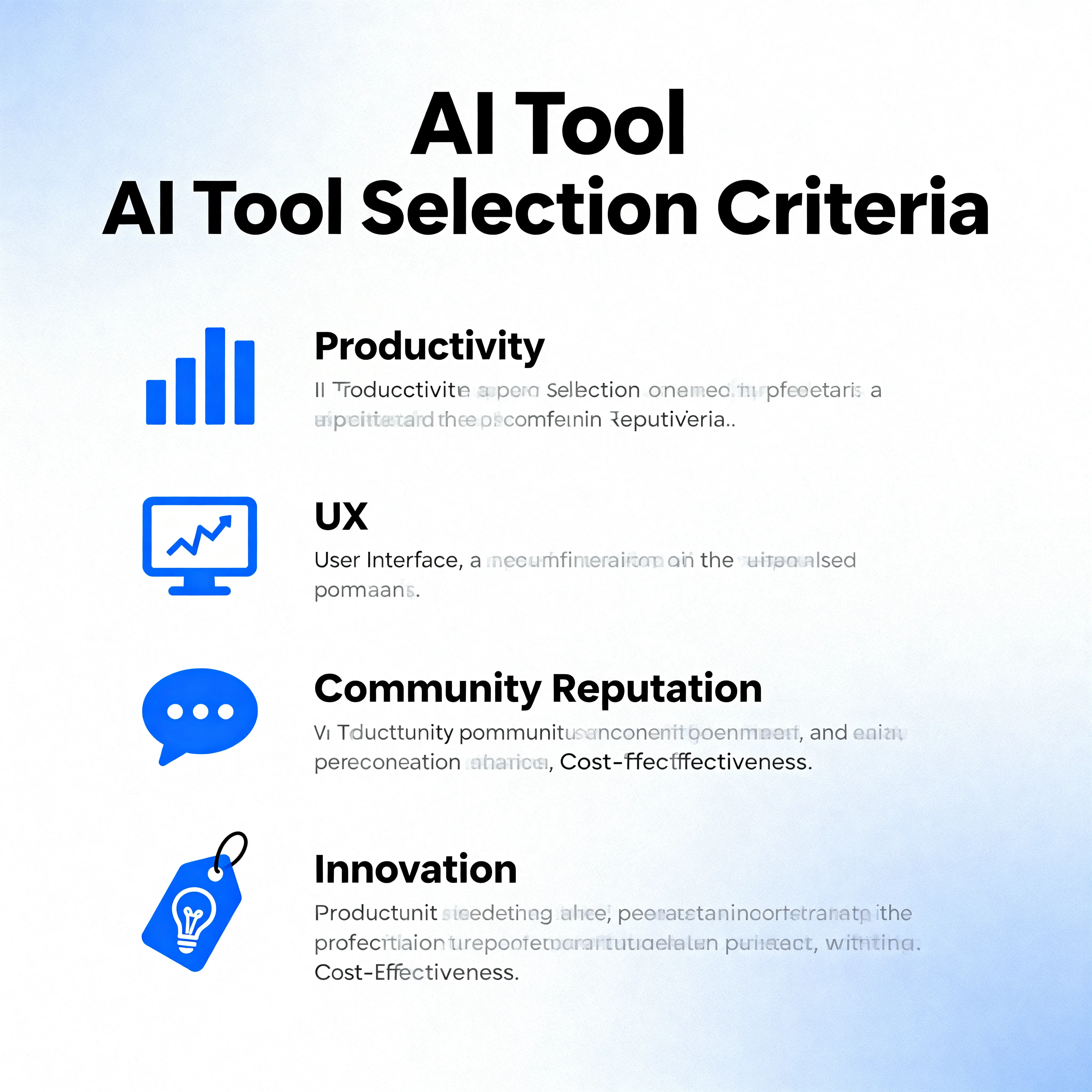
As of 2026, thousands of AI tools are flooding the market. However, not all tools are suitable for you. We selected these 10 tools based on the following strict criteria:
✅ Selection Criteria
- Actual Productivity Improvement: Real work time reduction, not just marketing speak
- User Experience: Learning curve and ease of daily use
- Community Reputation: Real reactions on Reddit, Hacker News, Product Hunt
- Value for Money: Availability of free tiers and reasonableness of paid plans
- Innovation: Application of the latest technologies as of 2026
Now, let's dive into the top 10 AI tools that represent 2026. Each tool is analyzed in depth from actual use cases, community reactions, and expert perspectives.
Claude Code 🤖
Coding"Code is not written, it is thought" — this phrase best describes Claude Code. Based on Anthropic's Claude 4.5 models (Sonnet and Opus), Claude Code goes beyond simple autocomplete to become an AI agent that understands and refactors entire codebases.
🌟 Key Strengths
- Large-scale Codebase Analysis: 200K token context window handles 50,000+ line projects at once
- Issue-to-PR Automation: Paste a GitHub issue and get a working Pull Request (with tests)
- Intelligent Refactoring: Complex tasks like PropTypes→TypeScript migration, class components→Hooks conversion with 96% accuracy
- Architecture Documentation: Automatically identifies MVC structures, DB schema relationships, deprecated endpoints in legacy codebases
"On Excalidraw's 50,000+ line codebase, Claude Code mapped the entire component architecture in 10 seconds — a task that would take a senior developer 2-3 hours manually. The issue-to-PR conversion is truly remarkable — I received a fully implemented, tested, and documented PR in just 4 minutes."
— Hackceleration Review
💰 Pricing
Pro
/month
Access to Claude 4.5 Sonnet & Opus, all core features
Max 5x
/month
5x usage, team features
Max 20x
/month
Large-scale enterprise
Key Takeaway
Claude Code is optimal for senior developers and engineering teams dealing with complex codebases. If you need architecture understanding and intelligent refactoring rather than simple autocomplete, the 70% higher price than GitHub Copilot is fully justified. However, individual developers or small teams should first consider Cursor ($20/unlimited) or Continue.dev (free).
Cursor 🖱️
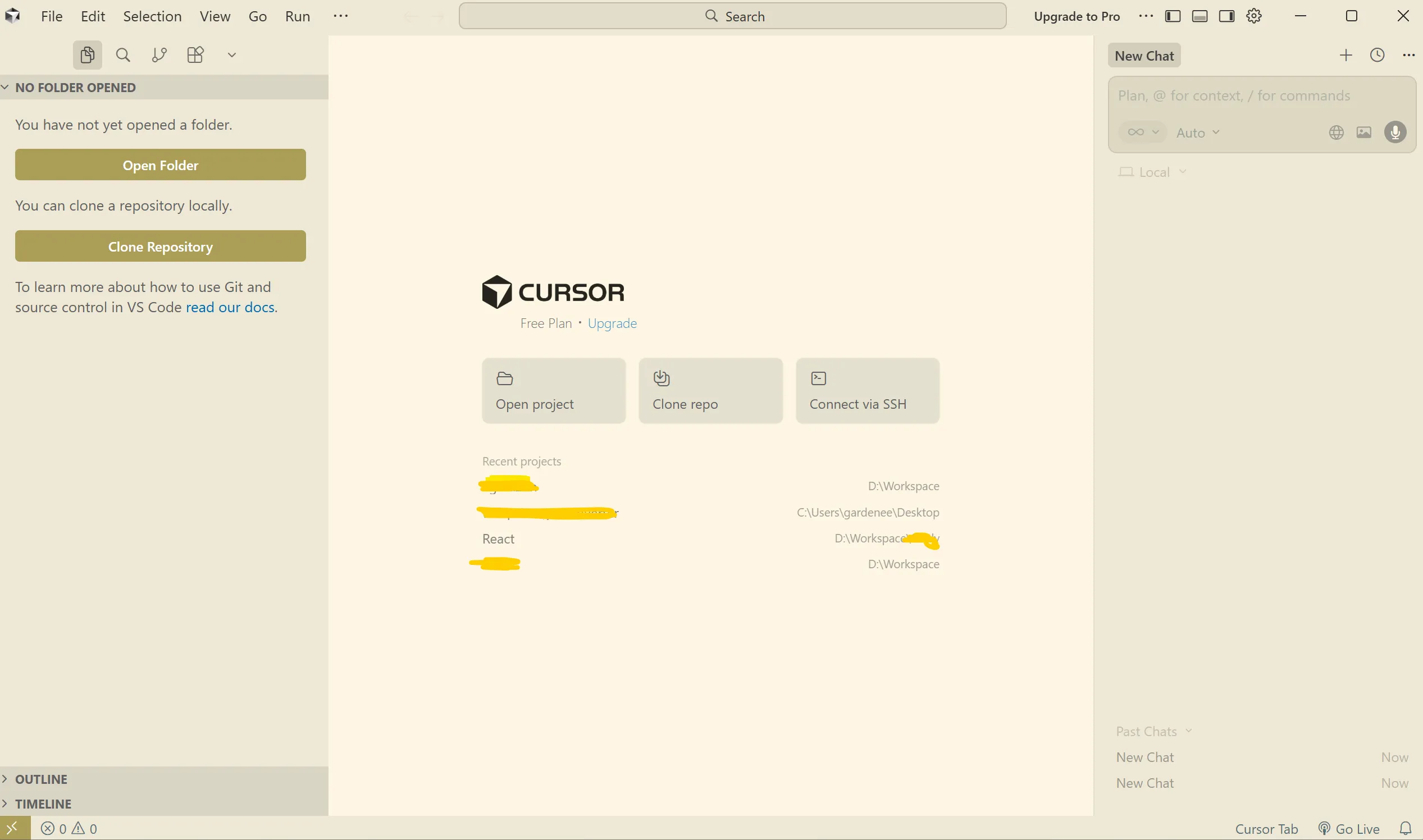
CodingCursor, an AI-native IDE based on VS Code, has become one of the most beloved tools among developers in 2026. Its "Tab" feature predicts the next edit rather than just the next word, and "Composer" provides a multi-file agent that modifies multiple files simultaneously.
🌟 Key Strengths
- Tab Feature: Instantly refactors entire code blocks — a different dimension from simple autocomplete
- Composer: Multi-file agent that handles project-wide bug fixes at once
- Multiple LLM Support: Choose from GPT, Claude, DeepSeek, Gemini, and more
- VS Code Compatible: Maintains existing workflows while adding AI features
- Unlimited Usage: "Slow" requests are unlimited on Pro plan (advantage over competitors)
"Cursor's Tab feature is a game-changer. Once you get used to it, you can never go back to a regular IDE. The experience of handling thousands of lines of refactoring at once with Composer feels like magic."
— Reddit r/webdev user
⚔️ Claude Code vs Cursor
| Feature | Claude Code | Cursor |
|---|---|---|
| Codebase Analysis | ⭐⭐⭐⭐⭐ (Best) | ⭐⭐⭐⭐☆ |
| Real-time Autocomplete | ⭐⭐⭐☆☆ | ⭐⭐⭐⭐⭐ (Best) |
| Price (Individual) | $20/month | $20/month (unlimited) |
| IDE Integration | VS Code, JetBrains | VS Code-based (fully integrated) |
| Learning Curve | Medium (chat-based) | Low (inline suggestions) |
Key Takeaway
Cursor is optimal for developers where daily coding speed matters. If Claude Code handles "deep thinking," Cursor handles "fast execution." In practice, many developers use both tools together: Cursor for fast typing, Claude Code for complex refactoring.
ChatGPT-5 💬
Text ResearchOpenAI's latest flagship model, GPT-5.2, remains the most versatile AI assistant in 2026. It provides 5 professional reports monthly through its Deep Research feature, and supports web browsing and multimodal input (text, images, documents).
🌟 New Features in 2026
- Deep Research: Analyzes multiple sources on complex topics and generates comprehensive reports (5 per month)
- GPT-4o mini: Lightweight model for simple tasks requiring fast responses
- Enhanced Coding Ability: Improved algorithm and debugging performance over previous versions
- Sora Integration: Access AI video generation with ChatGPT Plus subscription
"ChatGPT remains the strongest 'ask me anything' tool. It shines especially when exploring unfamiliar technologies or quick prototyping. However, as of 2026, specialized tools (Claude, Cursor, Perplexity) are surpassing it in their respective domains."
— PlayCode Review
💰 Pricing
Plus: $20/month (5 Deep Research sessions, GPT-5.2, GPT-4o mini, web browsing)
Pro: $200/month (unlimited usage, advanced voice, extended context)
Key Takeaway
ChatGPT-5 is optimal for general users and creators who need one tool to handle diverse tasks. Coding experts may prefer Cursor/Claude Code, research experts may prefer Perplexity, and image generation may be better with Midjourney — but if you want one "universal tool," ChatGPT remains the best choice.
Google Gemini 3 🔮
Text ResearchGoogle's Gemini 3 is not just a chatbot but the AI layer of Google Workspace. Its key strength is native integration with Gmail, Docs, Sheets, Drive, and Search, with a massive 1 million token context window that can process entire repositories at once.
🌟 Key Strengths
- Search-Grounded Responses: AI Overview optimization based on real-time search trends
- Nano Banana Pro Image Generation: Google's latest image model with excellent text recognition
- Google Ecosystem Integration: Write reports in Docs pulling data from Sheets — no copy-paste needed
- Speed: Noticeably faster responses than ChatGPT and Claude
- Free Tier: Offers substantial features for free (advantage over competitors)
"Gemini 3's speed is addictive. While Claude thinks for 15 seconds, Gemini answers in 3 seconds. The integration with Google Docs is magical — 'write a report with last quarter's revenue data' automatically checks Sheets and creates the document."
— NinjaChat AI Review
Key Takeaway
Gemini 3 is optimal for professionals, students, and educators working around Google Workspace. It's also an excellent choice for Firebase, Google Cloud, and Android developers. However, it falls behind Claude or ChatGPT in consistency, and Claude remains superior for complex logic problems.
Perplexity AI 🔍
ResearchPerplexity positions itself as an "answer engine". Unlike traditional search engines that list links or ChatGPT's speculative answers, it combines real-time web search with cited sources. As of 2026, it's the best tool for research where fact-checking is crucial.
🌟 Key Strengths
- Citation-First Responses: Every answer includes numbered source links for instant verification
- Deep Research Mode: Extended multi-step search for financial analysis, academic research, and market intelligence
- Source Filtering: Choose "Academic" (academic papers only), "Social" (Reddit and communities), or "Web" modes
- No Ads: Clean results without sponsored banners unlike Google Search
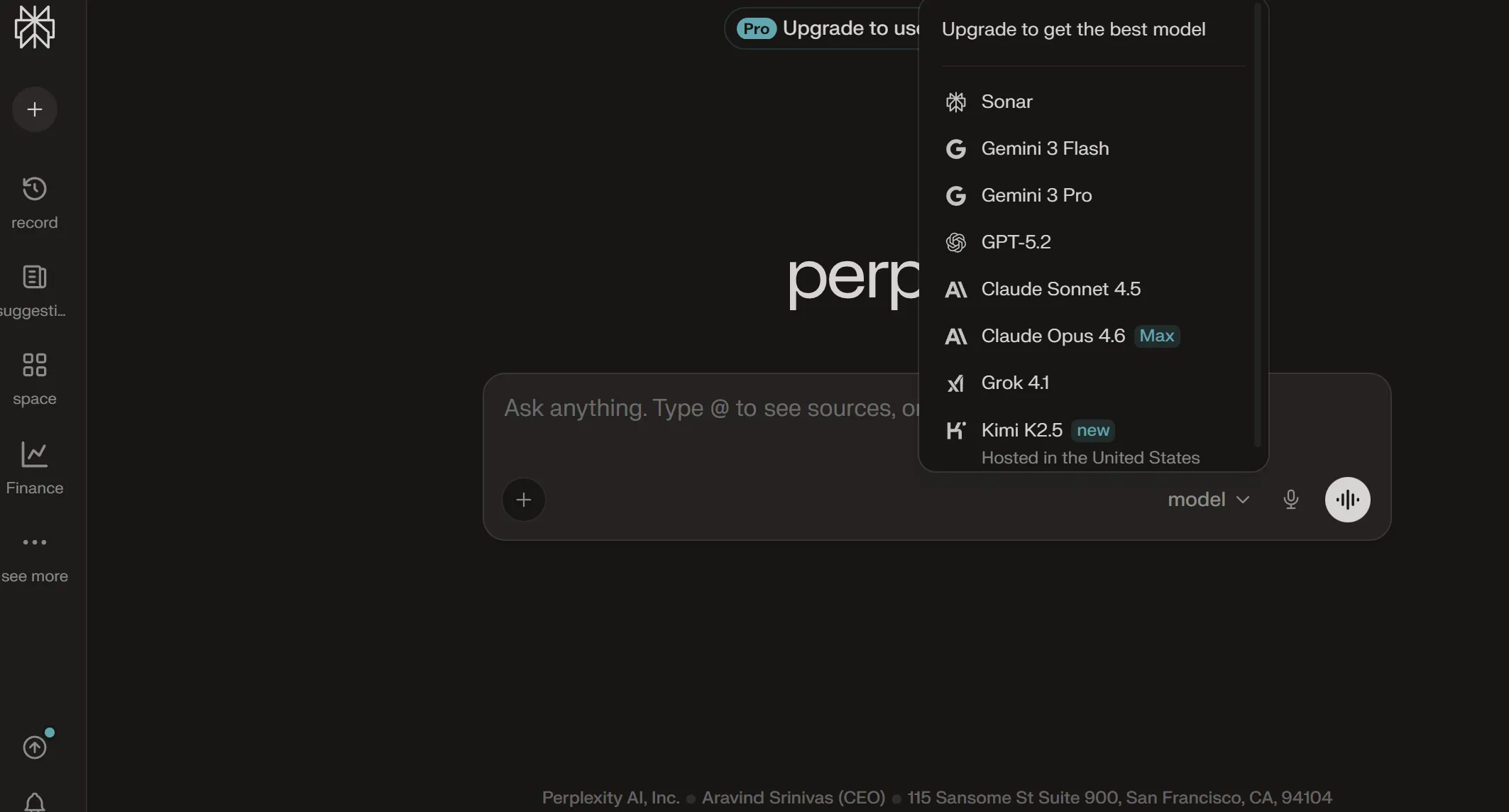
- Pro Model Selection: Choose from various LLMs including GPT-4o and Claude
"Perplexity has become my browser's default search engine. When searching for badminton shoes, Google shows sponsored shopping ads and dozens of lifestyle blog stories first, while Perplexity summarizes top-rated models based on grip and breathability. The ability to click sources for instant verification is key."
— G2 Review
📊 G2 User Ratings (Winter 2026)
| Metric | Score | Insight |
|---|---|---|
| Overall Rating | 4.5/5 | High satisfaction especially in research-focused workflows |
| Ease of Use | 95% | Productive immediately without tutorials |
| Ease of Setup | 97% | Start almost instantly with minimal setup |
| Meets Requirements | 90% | Consistently meets research accuracy and daily search needs |
Key Takeaway
Perplexity is an essential tool for students, journalists, investors, analysts, and academic researchers. It's the best choice when verifiable fact-checking matters more than creative writing or coding. However, it falls behind ChatGPT or Claude for creative writing or tone control.
Midjourney V7 🎨
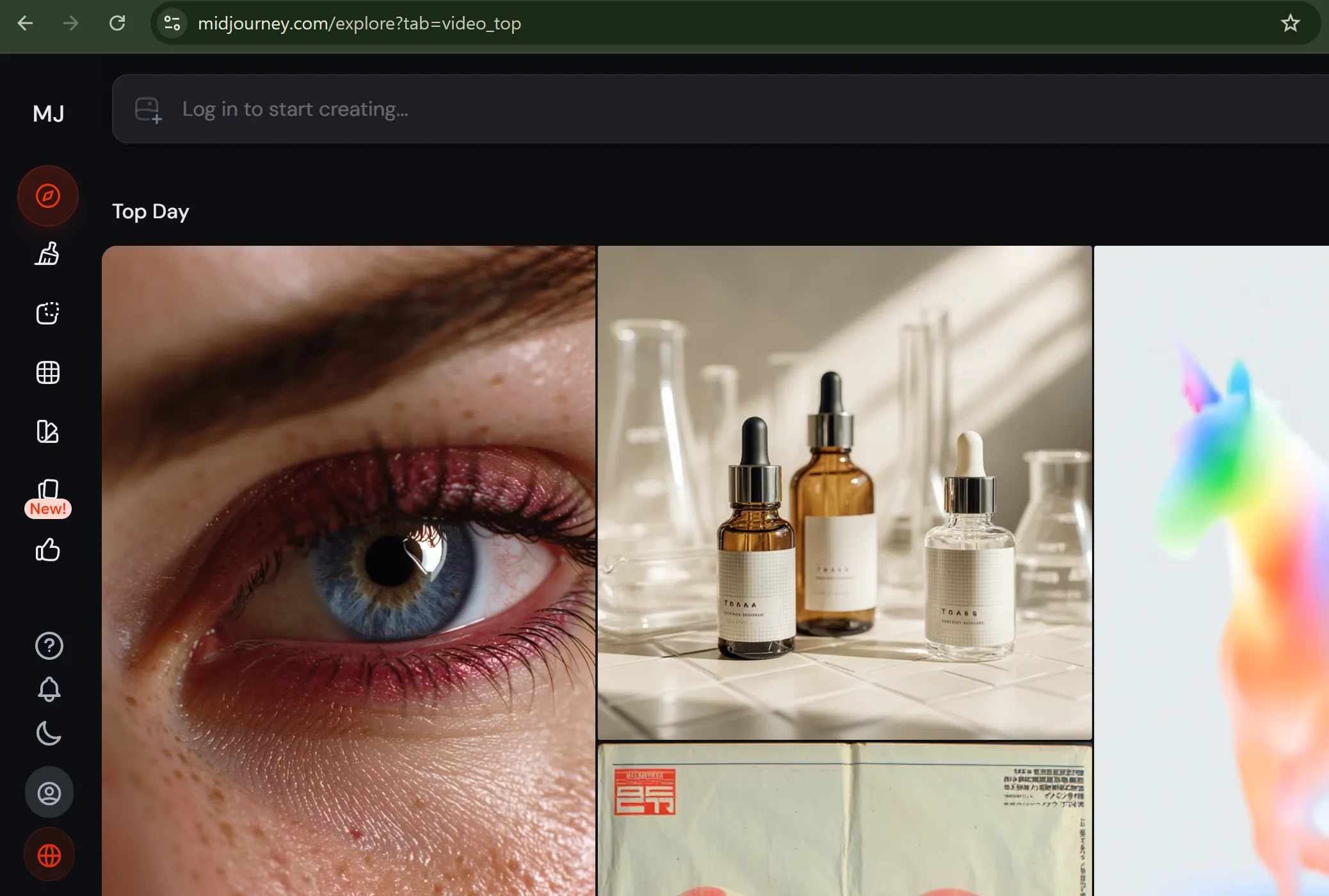
ImageMidjourney V7 represents the artistic pinnacle of AI image generation. While DALL-E 3 aims for "accurate prompt following," Midjourney pursues "artistic interpretation and aesthetic quality." It remains the top choice in marketing, design, and artistic creation.
🌟 Key Strengths
- Artistic Quality: Unique aesthetic sense with superior visual beauty over competitors
- Style Interpretation: Excellent response to "in the style of..." prompts
- Mood and Emotion Expression: Ability to convert mood and atmosphere descriptions into visuals
- Photorealistic Human Rendering: Greatly improved in V6
- Expert Community: Active creator community on Discord
"Midjourney is the artist and DALL-E is the technical draftsman. For website hero images, choose Midjourney; for specific diagrams with text labels, choose DALL-E. Many professionals use both — Midjourney for hero images and creative work, DALL-E for technical requirements and quick iterations."
— The Software Scout Review
⚔️ Midjourney V7 vs DALL-E 3
| Category | Midjourney V7 | DALL-E 3 |
|---|---|---|
| Artistic/Stylized Images | ⭐⭐⭐⭐⭐ (Best) | ⭐⭐⭐☆☆ |
| Accurate Prompt Following | ⭐⭐⭐☆☆ | ⭐⭐⭐⭐⭐ (Best) |
| Text in Images | ⭐⭐☆☆☆ | ⭐⭐⭐⭐⭐ (Best) |
| Photorealistic Humans | ⭐⭐⭐⭐⭐ (V6) | ⭐⭐⭐⭐☆ |
| Free Option | ❌ None | ✅ Free via Bing Image Creator |
| For Professionals | ⭐⭐⭐⭐⭐ (Consistency+Quality) | ⭐⭐⭐⭐☆ |
Key Takeaway
Midjourney is optimal for marketers, designers, and artists where visual quality is paramount. You need to adapt to the Discord-based interface and there is a cost, but the quality of results justifies everything. For technical diagrams requiring text, consider DALL-E 3 or Ideogram.
Sora 2 🎬
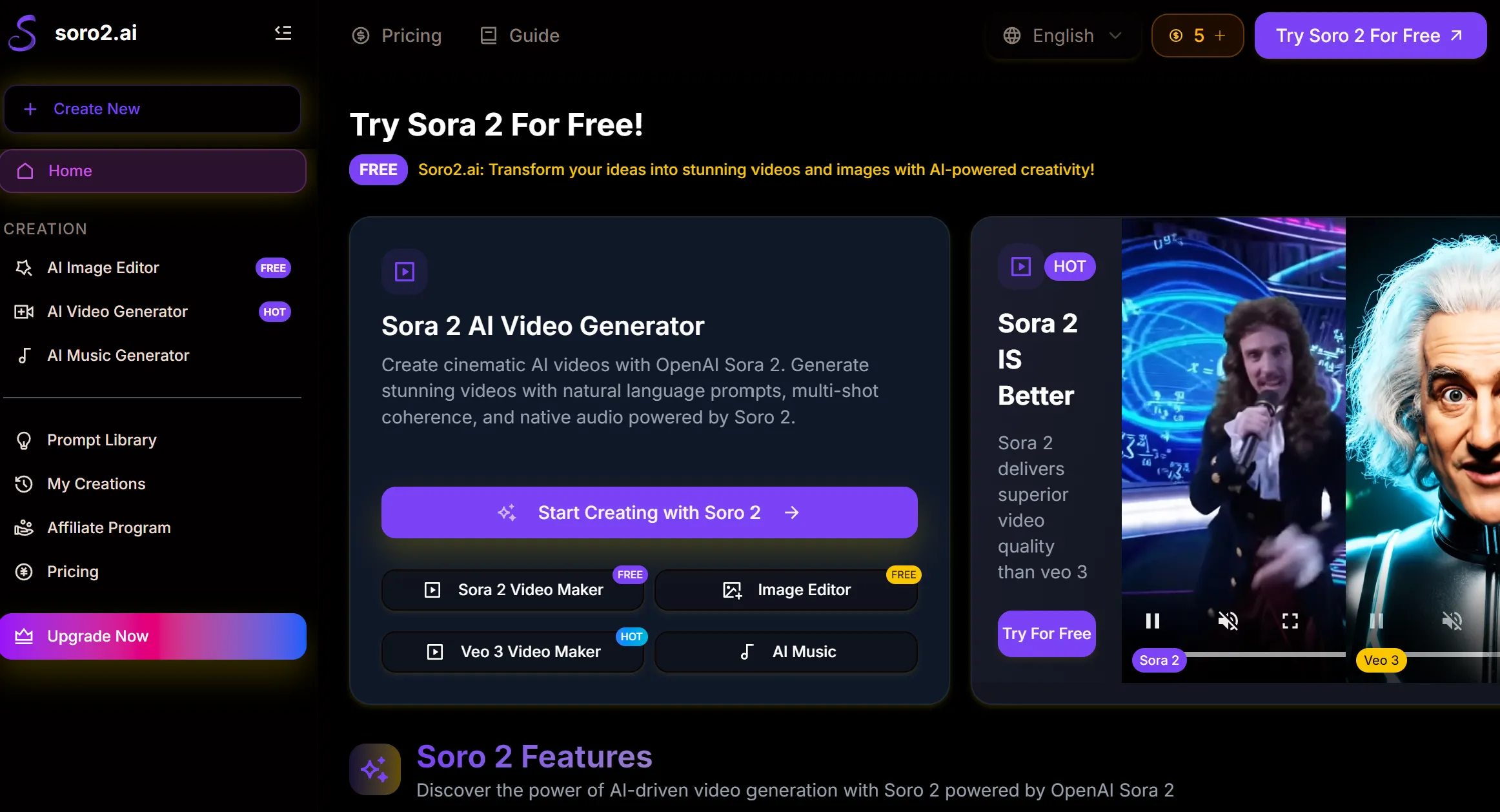
VideoOpenAI's Sora 2 has risen to the top of AI video generation in 2026. Beyond simple text-to-video, it stands out as an "AI director" that understands story continuity and shot composition. It generates 3 connected 8-second shots naturally from a single prompt.
🌟 Key Strengths
- Story Continuity: Automatically composes multiple shots while maintaining character and action consistency
- Storyboard Mode: Connect text prompts, images, and previously generated videos in sequence
- User Characters: Register yourself, pets, or friends as characters to use as protagonists
- Remix Feature: Take inspiration from other users' creations and instantly recreate
- Mobile App: AI-based TikTok experience with browsing and instant remixing
"Sora 2 takes a different approach from other models. Instead of 'what do you want to see,' focus on 'where, how does it feel, what is the character doing.' Then it automatically generates a video composed of 3 8-second shots — with shot transitions, character consistency, and mood-appropriate soundtracks."
— Zapier Review
⚔️ Sora 2 vs Google Veo 3.1
Sora 2: Highest creative potential, story-focused, harder controls
Google Veo 3.1: Reliability and ready-to-post results, excellent prompt following
Key Takeaway
Sora 2 is optimal for storytellers, short film makers, and creators wanting creative experimentation. Accessible with ChatGPT Plus subscription ($20/month), making it relatively affordable. However, for commercial projects requiring precise control, consider Google Veo or Runway.
Kimi AI 🧠
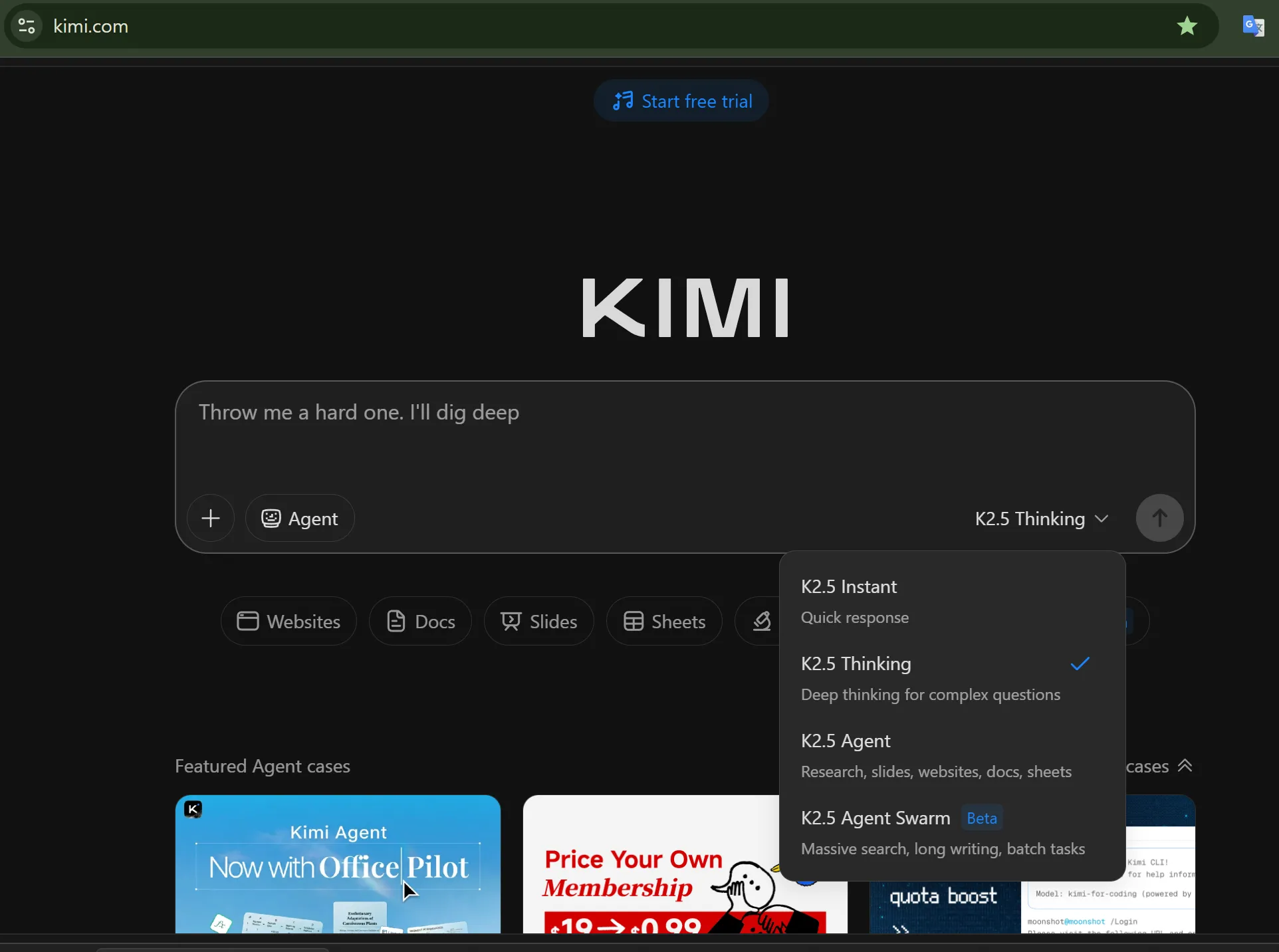
Text ResearchKimi from China's Moonshot AI is gaining attention for its overwhelming 2 million token (about 1.5 million words) context window. As of 2026, it offers the longest context among commercial AIs, featuring the K2 Thinking model with Mixture-of-Experts architecture.
🌟 Key Strengths
- 2 Million Token Context: Process entire books, large codebases, and long conversations at once
- K2 Thinking Model: MoE architecture with 1 trillion parameters (32 billion activated per query)
- OK Computer Mode: Active research through web search and report writing
- Agent Mode: Step-by-step task planning and execution, generating completed outputs
- Agent Swarm (Beta): Multiple agents operating in parallel
"Kimi's OK Computer mode is impressive. I requested a presentation on AI trends and got a report with data points, industry cases, and logical structure in 4 minutes — a task that would take time to assemble manually. However, web browsing functionality is still unreliable and coding outputs have errors."
— LinkedIn Expert Review
"Kimi is the GOAT for storytelling and conversation. The free version is surprisingly good. However, coding still has bugs, and the hold-to-talk UX on iOS needs improvement."
— Reddit User
Key Takeaway
Kimi is optimal for power users, researchers, and those needing long-form document analysis and long-term context. The 2 million token window overwhelms competitors. However, web browsing reliability and coding quality fall behind ChatGPT or Claude, and Claude remains superior for creative writing.
Suno AI 🎵
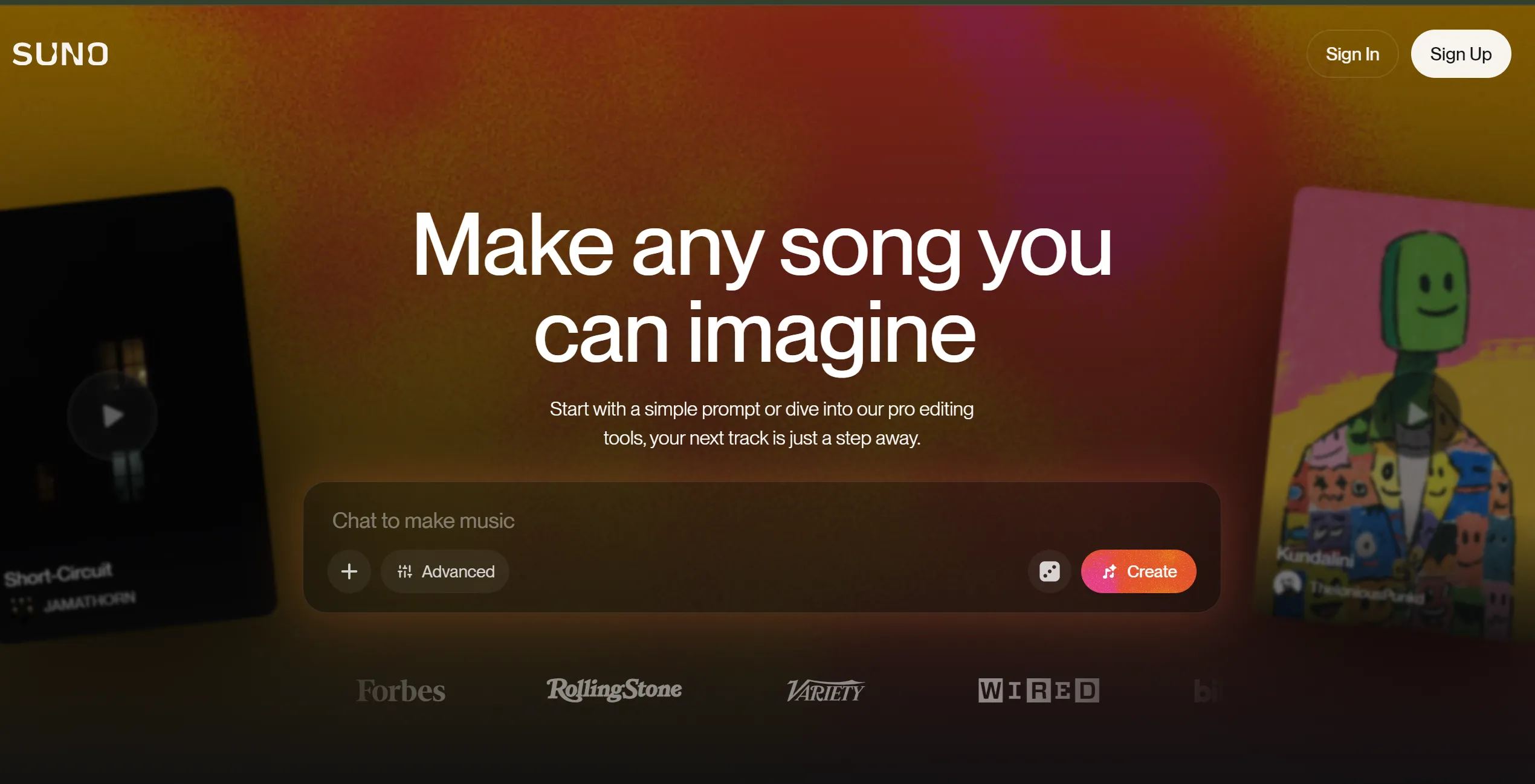
MusicSuno AI is rated as the most serious AI music generation app as of 2026. Enter lyrics and choose a music style, and it generates 2 complete 2-minute songs. The price-performance ratio is overwhelming — 500 songs for $10.
🌟 Key Strengths
- High-Quality Output: Complete songs with vocals, instruments, and background music in harmony
- Enormous Genre Range: Supports virtually every imaginable music genre
- Genre Fusion: Experiment combining unrelated styles in a single prompt
- Lyrics-Centric Generation: Convert user-written lyrics into songs
- Value for Money: 500 songs for $10 (best among competitors)
"Suno is currently the most serious AI music generation app. The web app lets users enter lyrics and choose music styles to generate pairs of 2-minute songs. The range of genres is impressively diverse, with a separate web app for genre fusion."
— AudioCipher Review
⚔️ Suno vs Udio
Suno: More complete songs, wider genre range, lyrics-focused
Udio: Stays closer to initial audio files, more suitable as a collaboration tool for musicians
Key Takeaway
Suno is optimal for content creators, marketers, music enthusiasts, and budget-conscious producers. If you need background music, podcast intros, or music for short-form content, Suno is the best choice. However, it still has limitations for professional music production, and using it with Udio yields better results.
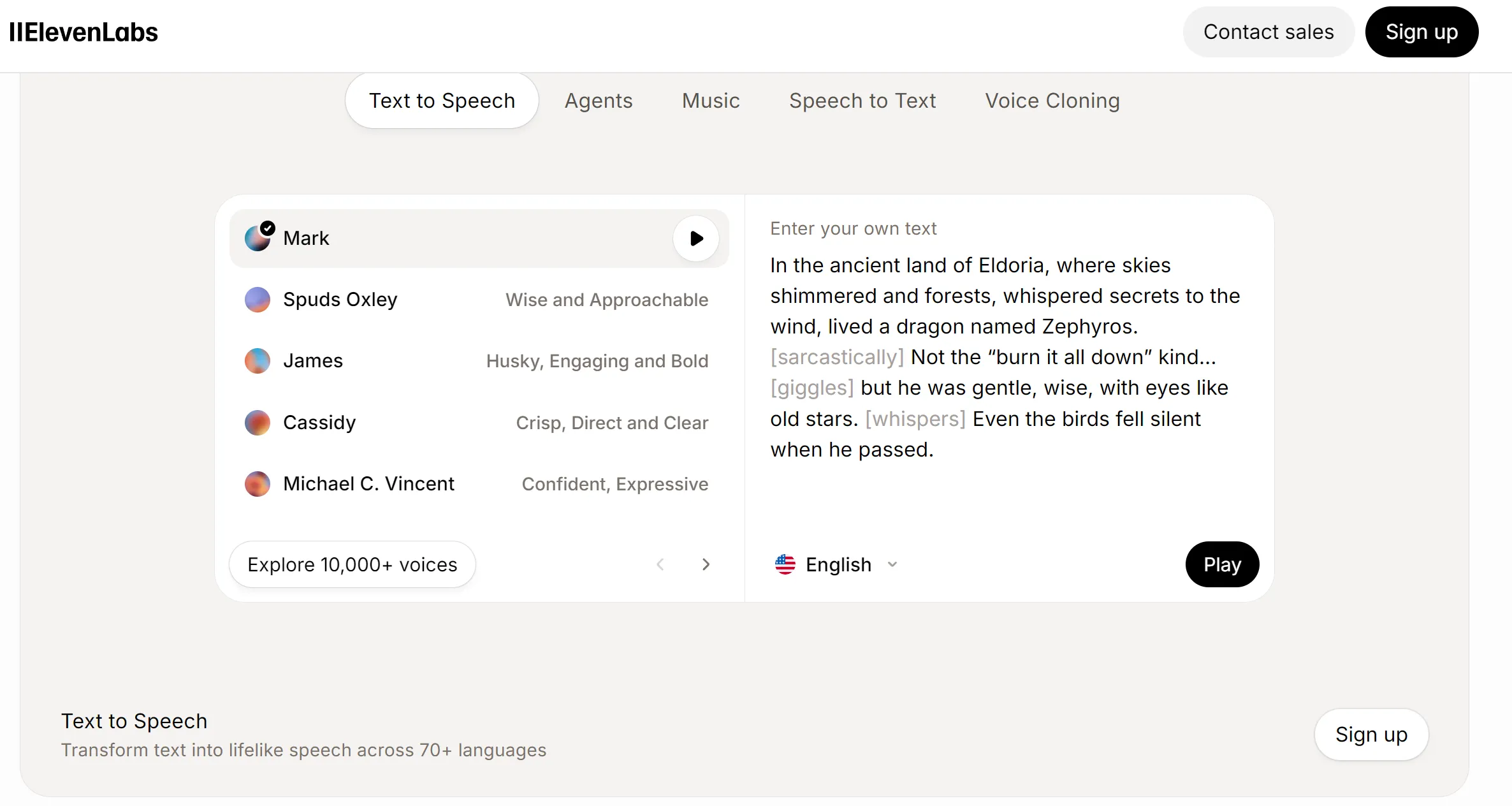
ElevenLabs 🗣️
VoiceElevenLabs is the strongest in AI voice generation. Supporting 29 languages and 50+ accents, its Voice Cloning feature can perfectly replicate your voice with just 1 minute of sample audio. As of 2026, it provides the most natural AI voices.
🌟 Key Strengths
- Hyper-Realistic Voice Quality: Significantly more natural pronunciation and intonation than competitors
- Voice Cloning: Perfectly replicate your voice with 1 minute of sample
- Multilingual Support: 29 languages, 50+ accents
- Projects Feature: Workflow for long-form audiobook production
- Voice Isolator: Remove background noise and enhance voice quality
"ElevenLabs is the bar for AI voice generation. While other tools sound robotic or monotonous, ElevenLabs captures emotion, intonation, and even breathing. Essential for podcasts, audiobooks, and video narration."
— Expert Review
💰 Pricing
Starter: $5/month (30 minutes voice generation)
Creator: $22/month (100 minutes voice generation, cloning included)
Pro: $99/month (500 minutes voice generation)
Key Takeaway
ElevenLabs is an essential tool for podcasters, YouTubers, audiobook producers, and content creators. If you need natural AI voices, there's no need to consider competitors. However, pricing is higher than competitors, so thoroughly test with the free tier before subscribing.
📊 Comprehensive Comparison Chart & Selection Guide
Compare the key characteristics of all 10 tools at a glance. Find the optimal tool for your needs.
| Rank | Tool | Primary Use | Price | Free Tier | Best For |
|---|---|---|---|---|---|
| 1 | Claude Code | Codebase analysis, refactoring | $20/mo | ❌ | Senior developers, engineering teams |
| 2 | Cursor | Daily coding, autocomplete | $20/mo | Limited | All developers |
| 3 | ChatGPT-5 | Universal assistant | $20/mo | ✅ | General users, creators |
| 4 | Gemini 3 | Google ecosystem work | $20/mo | ✅ | Google Workspace users |
| 5 | Perplexity | Research, fact-checking | $20/mo | ✅ | Students, journalists, analysts |
| 6 | Midjourney V7 | Artistic image generation | $10/mo | ❌ | Designers, marketers, artists |
| 7 | Sora 2 | AI video generation | $20/mo (ChatGPT+) | ❌ | Storytellers, creators |
| 8 | Kimi AI | Long document analysis | Free~$20/mo | ✅ | Power users, researchers |
| 9 | Suno AI | Music generation | $10/mo | Limited | Content creators |
| 10 | ElevenLabs | Voice generation | $5/mo | Limited | Podcasters, YouTubers |
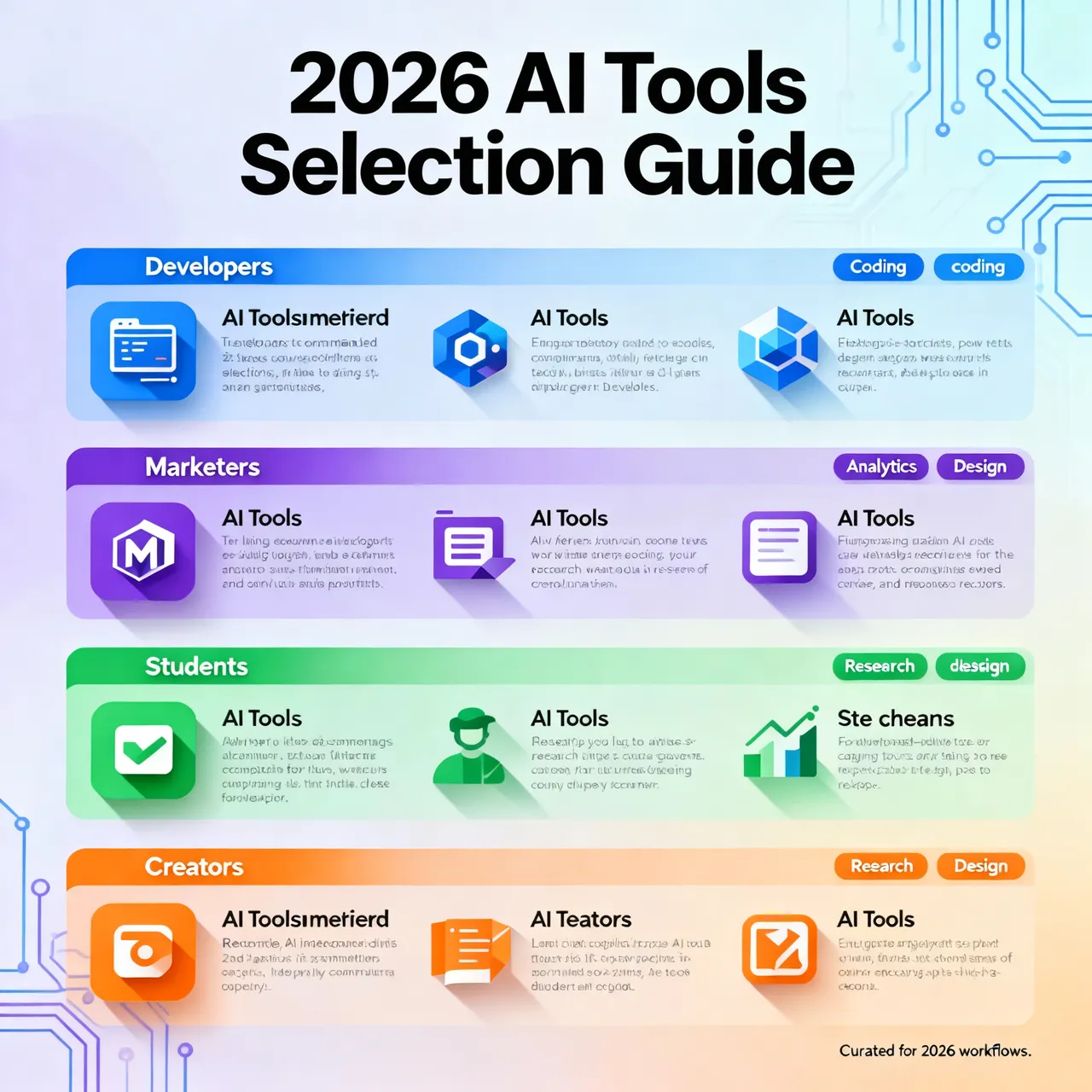
🎯 Recommended Combinations by Use Case
- Developers: Cursor (daily) + Claude Code (refactoring) + Perplexity (tech research)
- Marketers: ChatGPT-5 (copy) + Midjourney (images) + ElevenLabs (voice)
- Students/Researchers: Perplexity (research) + Kimi (long docs) + Claude (paper writing)
- Content Creators: Sora 2 (video) + Suno (music) + ElevenLabs (narration)
- General Users: ChatGPT-5 (universal) + Perplexity (search) + Gemini (Google tasks)
🔮 2026 AI Trends and Outlook
The AI tools market in 2026 shows several distinct trends. Understanding these will help with future tool selection.
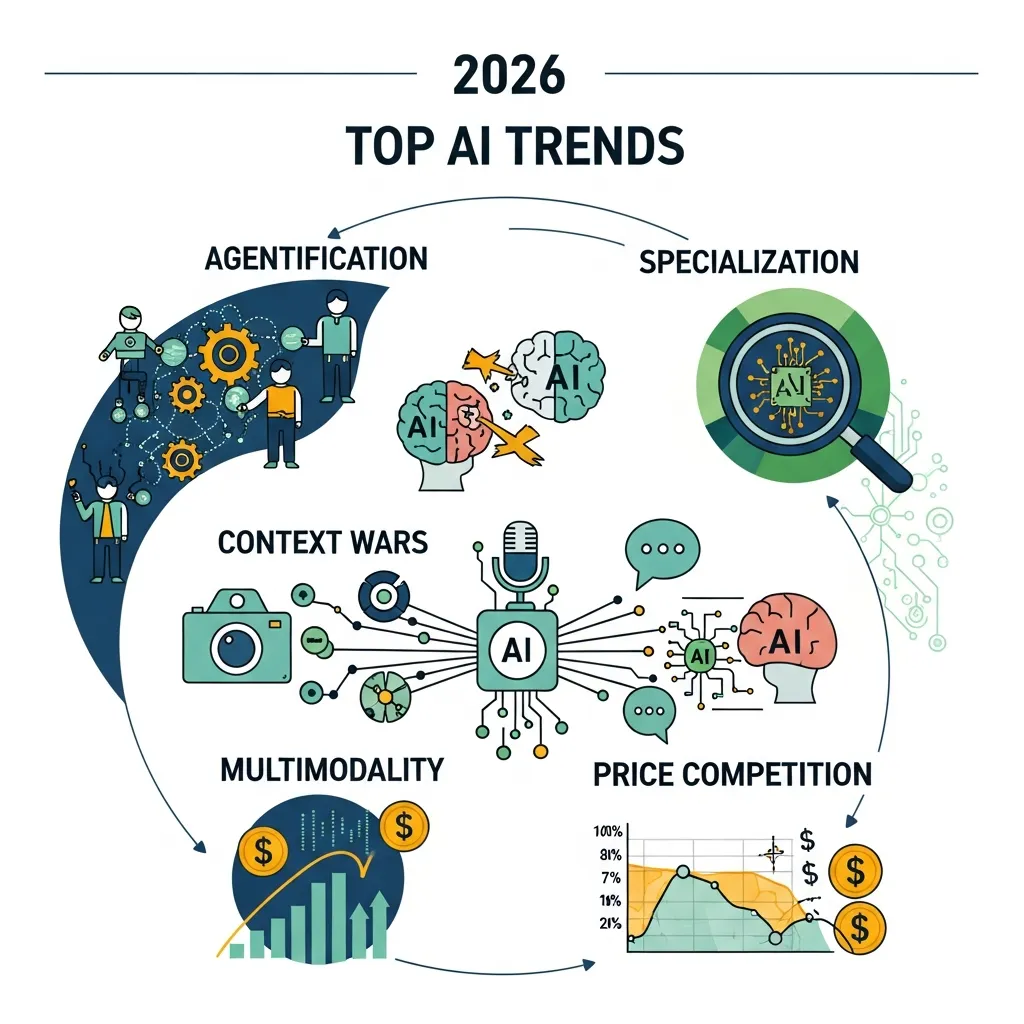
1. Agentification
Beyond simple response generation, AI agents that plan and execute autonomously are becoming mainstream. Claude Code's issue-to-PR conversion, Kimi's Agent Mode, and Sora's Storyboard are all part of this trend. In 2026, "what AI answers" is becoming less important than "what AI solves."
2. Specialization vs. Integration
Two opposing trends coexist. Specialization: Tools like Cursor (coding), Perplexity (research), and ElevenLabs (voice) that aim to be the best in one field. Integration: Tools like ChatGPT and Gemini that try to cover everything. Experts tend to combine specialized tools, while general users prefer integrated tools.
3. Context Wars
Longer context windows are becoming key to competition, like Kimi's 2 million tokens and Claude's 200K tokens. The ability to process large codebases, long documents, and extended conversations is becoming crucial.
4. Standardization of Multimodality
Text alone is no longer enough. The ability to understand and generate text+images+voice+video simultaneously is becoming standard. ChatGPT-5's multimodality, Sora's video generation, and Suno's music generation are all part of this trend.
5. Price Competition and Free Tier Expansion
Intensifying competition is improving the quality of free tiers. Examples include Kimi's free version, Gemini's free tier, and Perplexity's free search. However, advanced professional features remain paid, with $20/month becoming the standard price.
"The biggest change in 2026 is that AI tools are evolving from 'tools' to 'colleagues.' Cursor becomes a pair programmer, Claude Code becomes a senior developer, and Perplexity becomes a research assistant. The key question is no longer 'what can AI do' but 'how do we collaborate with AI.'"
— Gardenee Editor