May 2024 marked a historic moment for Korean live streaming. After 17 years as AfreecaTV, the platform rebranded as SOOP, declaring its leap toward becoming a global platform. 🚀 With NAVER's CHZZK emerging as a fierce competitor and Twitch's withdrawal from Korea, how is SOOP navigating this turbulent market? This article dives deep into everything about the platform.
The Birth of SOOP: 17 Years of AfreecaTV's Transformation 🌱
"A forest is an ecosystem created by trees coming together"
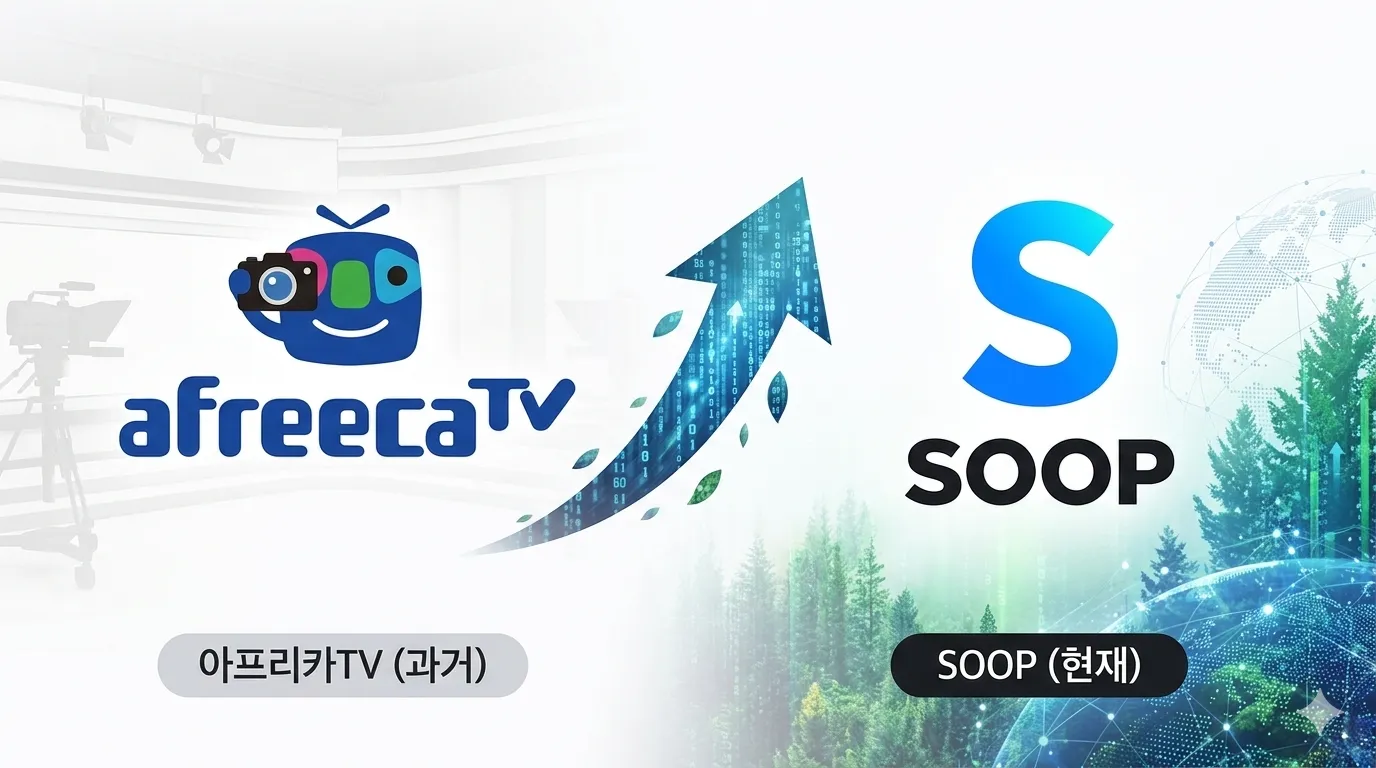
On May 7, 2024, at the Suwon Convention Center, surrounded by countless streamers and fans, the new name SOOP was revealed. This wasn't merely a name change—it represented a fundamental philosophical shift for the platform.
AfreecaTV had been synonymous with Korean internet broadcasting for 17 years since its founding in 2007. However, the word "TV" evoked traditional media, failing to capture the essence of real-time bidirectional communication. Moreover, the geographical limitation of "Afreeca" became a burden as the platform pursued global expansion.
May 2007
AfreecaTV founded as Korea's first internet broadcasting platform
2010s
BJ (Broadcast Jockey) culture established, ushering in the era of one-person media
May 7, 2024
Rebranding to SOOP announced, declaration of leap toward global platform
September 1, 2024
Official service launch, complete transition from AfreecaTV to SOOP
2025~Present
Accelerated global expansion, strengthening exclusive esports content
The name SOOP carries deep philosophy. A forest is an ecosystem where individual trees come together, accurately representing the platform's characteristic where various streamers (creators) gather and thrive. Additionally, "SOOP" sounds like "Soup," conveying the intention that just as various ingredients come together to make a delicious dish, diverse content will create a rich platform.
"SOOP is not simply a rebranding. It is the birth of a next-generation live streaming platform based on 17 years of data and community." – Official SOOP Statement
Global Leap: SOOP's International Strategy 🌍
SOOP's biggest change is its global mindset. While AfreecaTV focused on the Korean market, SOOP targeted global expansion from the start. This strategic decision capitalized on the market vacuum left by Twitch's withdrawal from Korea in February 2024.
🌐 Three Pillars of SOOP's Global Strategy
- Localized Content: Curated popular content for each region including Southeast Asia, Japan, and Middle East
- Multi-language Support: Korean, English, Japanese, Thai, and other major languages supported
- Global Streamer Recruitment: Support for international famous streamers to join SOOP
SOOP particularly targets the Southeast Asian market as its core focus. With large populations, rapidly developing internet infrastructure, and high demand for Hallyu (Korean Wave) content, countries like Thailand, Vietnam, and Indonesia are seeing rapidly growing awareness of SOOP, with active recruitment of local streamers underway.
The Japanese market is also a significant target. Although Japan already has a mature streaming market, SOOP is attempting differentiation through the strength of Korean esports content. The strategy of utilizing broadcasting rights for titles where Korea dominates, such as League of Legends and Valorant, is gaining attention.
Key Point
SOOP's core strategy isn't simply exporting Korean content overseas, but localization. Success depends on content curation that reflects each country's culture and preferences, and discovering local streamers.
War with CHZZK: Battle for K-Streaming Market ⚔️
The biggest variable in Korea's 2024 streaming market was undoubtedly the emergence of NAVER CHZZK. Leveraging NAVER's powerful platform and the market gap left by Twitch's withdrawal, CHZZK rose as SOOP's biggest competitor immediately after launch.
Platform Comparison: SOOP vs CHZZK vs Twitch
| Feature | SOOP | CHZZK | Twitch |
|---|---|---|---|
| Operator | SOOP (formerly AfreecaTV) | NAVER | Amazon (withdrawn from Korea) |
| Main Content | Gaming, mukbang, talk shows, esports | Gaming (especially PUBG), Just Chatting | Global gaming, IRL |
| Revenue Model | Star Balloons, subscriptions, ads | Cheese, subscriptions, ads | Bits, subscriptions (not in Korea) |
| Market Share (2024) | 35% (estimated) | 40% (estimated) | Withdrawn from Korea |
| Strengths | 17-year community, BJ culture, esports rights | NAVER integration, search traffic, new users | Global network (except Korea) |
| Weaknesses | Aging platform image, UI innovation needed | Limited content diversity, immature community | Korean service terminated |
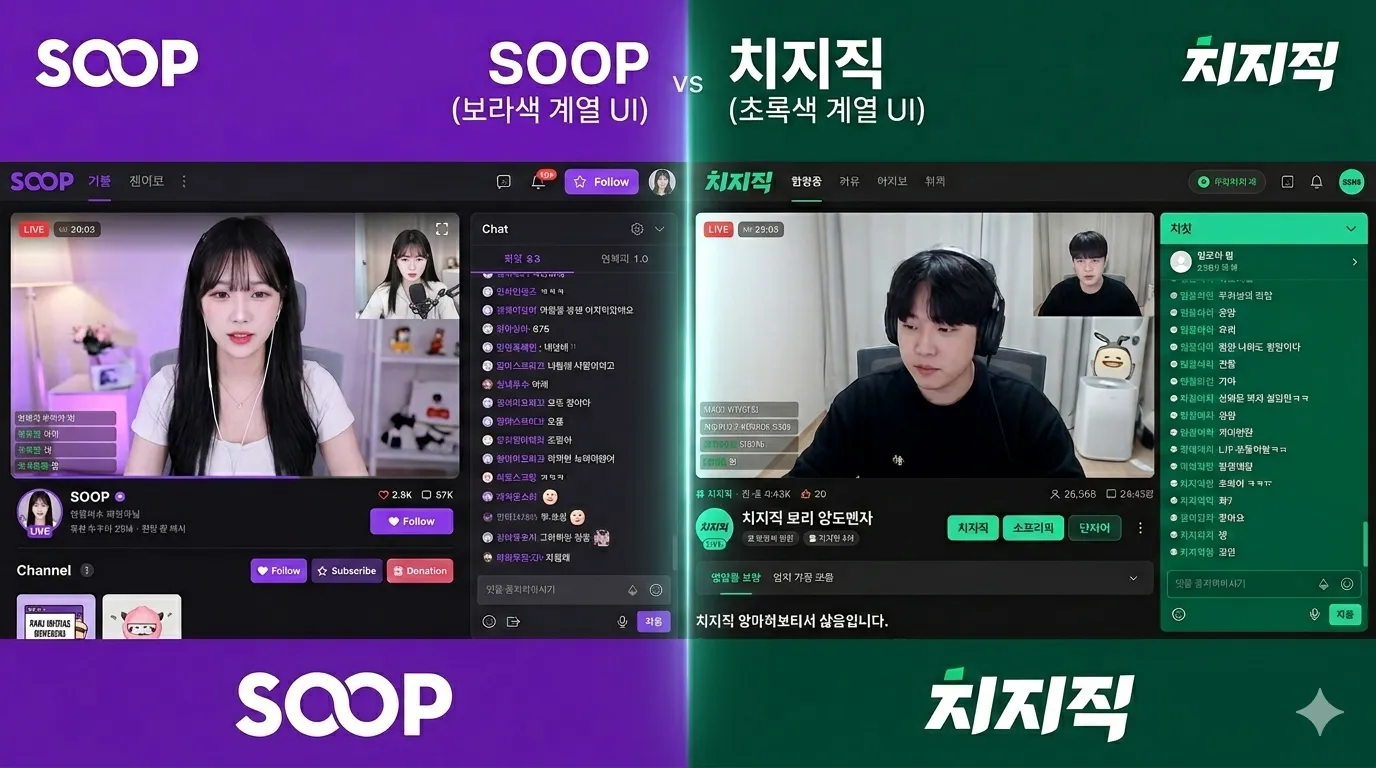
The competition between the two platforms shows interesting patterns. CHZZK dominates in PUBG (Battlegrounds), especially securing exclusive broadcasting rights for PGC (PUBG Global Championship) to attract game fans. Meanwhile, SOOP has built its own territory by securing broadcasting rights for major Riot Games titles like League of Legends and Valorant.
I went to CHZZK after Twitch left Korea, but came back to SOOP for LoL Worlds broadcast. Now I go back and forth between both platforms daily. Each has clear strengths, so it's a matter of choice.
– DC Inside Streaming Gallery userIn reality, many viewers are using dual platforms. CHZZK for PUBG, SOOP for League of Legends. This indicates that neither platform has completely dominated the Korean market yet.
To differentiate from CHZZK, SOOP emphasizes the authenticity of BJ culture. The bond between streamers and viewers built over 17 years is a barrier that CHZZK cannot easily replicate in the short term. SOOP's lineup remains particularly strong in non-gaming content like "mukbang," "outdoor broadcasts," and "talk shows."
Revenue Secrets: Star Balloons and Creator Economy 💰
The core of any streaming platform is its monetization model. SOOP has a unique revenue structure accumulated since the AfreecaTV days, which remains a key competitive advantage.
SOOP Revenue Ecosystem Flow
Star Balloons are SOOP's (AfreecaTV's) unique virtual currency system. Viewers top up Star Balloons with cash and send them to streamers as "gifts." Each Star Balloon is worth approximately 100 KRW (~$0.07), and viewers collect them to support their favorite streamers.
The characteristic of this system is real-time interaction. When a donation comes in, it immediately appears on the broadcast screen, and streamers react in real-time. This "reactive economy" is a powerful mechanism that stimulates viewers' desire to donate. Especially for major streamers, they can earn millions of KRW in Star Balloon revenue per hour of broadcast.
💡 Three Pillars of SOOP Revenue Model
However, the revenue structure also has controversial aspects. There are criticisms about the transparency of platform fees and settlements, and lower-tier streamers often complain about the imbalance in revenue distribution. The structure where the top 1% of streamers take most of the revenue remains a challenge.
When you send 100 Star Balloons (10,000 KRW), the BJ actually receives about 6,000-7,000 KRW. The rest goes to platform fees and taxes. I'm not sure if this is the appropriate rate.
– Ruliweb Streaming Board user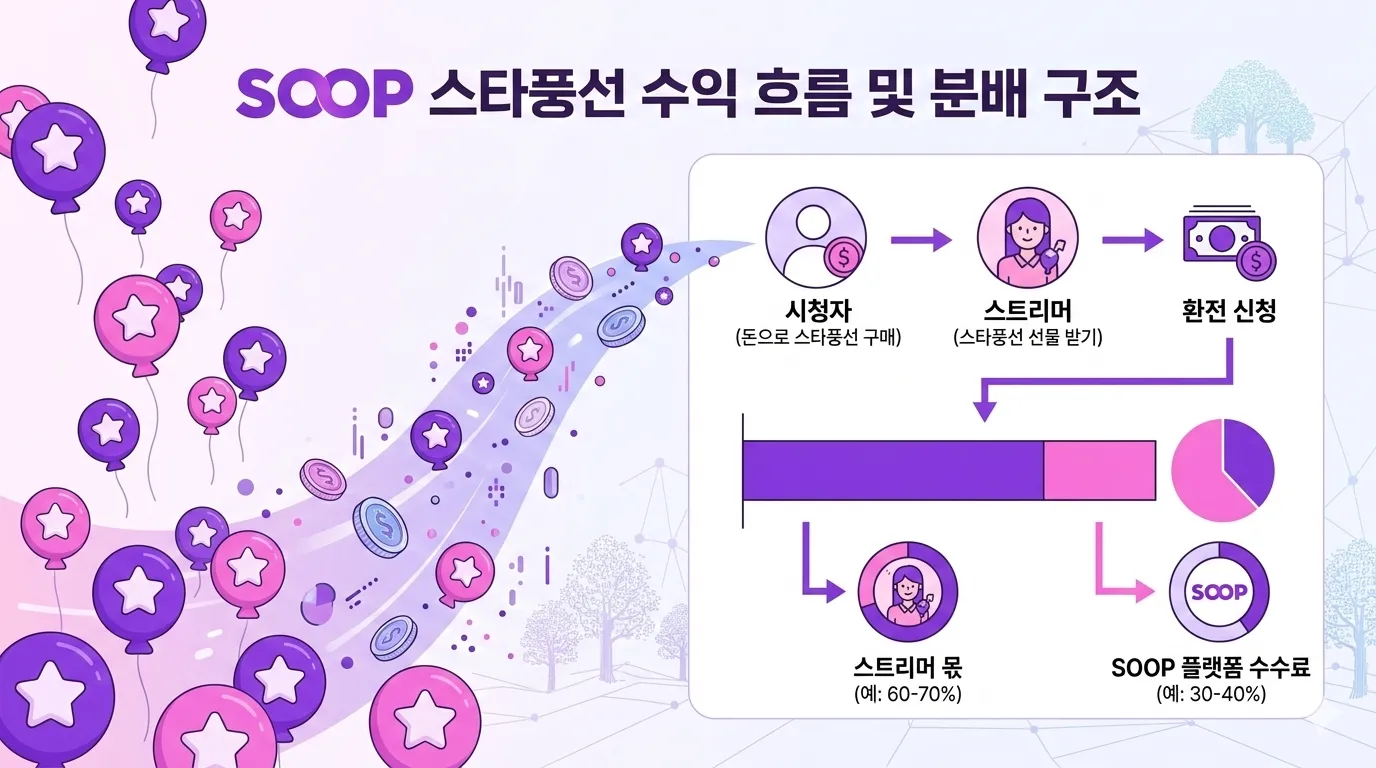
Exclusive Esports Content: Alliance with Riot Games 🎮
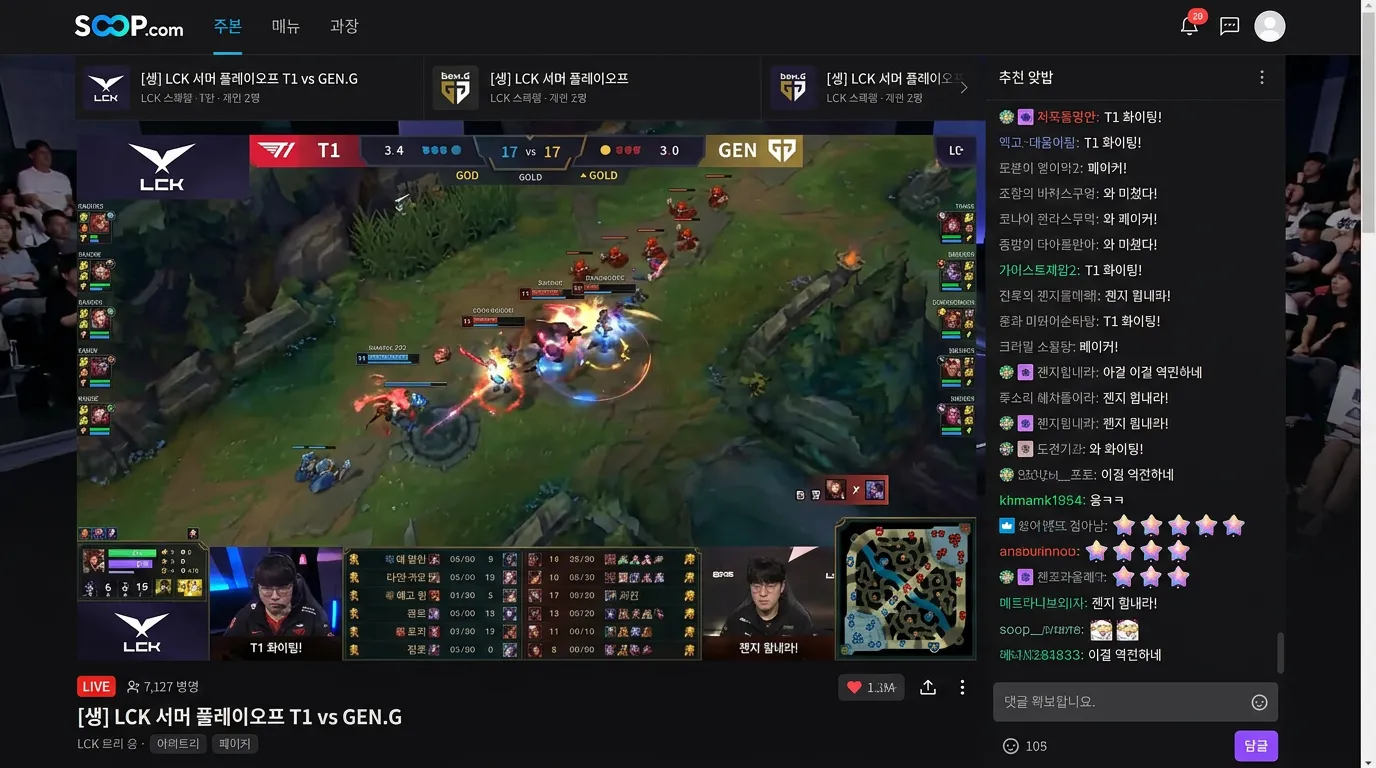
One of SOOP's most powerful weapons is its esports broadcasting rights. In particular, exclusive contracts with Riot Games for major leagues have made SOOP an essential platform for game fans.
Major Esports Leagues with Exclusive SOOP Broadcasting Rights
LCK
League of Legends Champions Korea
Korea's premier League of Legends league. Exclusive broadcasts of matches featuring legendary teams like T1, Gen.G, and Hanwha Life Esports.
VCT
Valorant Champions Tour
Valorant's most prestigious international tournament. Live broadcasts of Korean teams' performances.
LCK Challengers
Secondary League
The proving ground for next-generation stars. Meet future LCK players before they make it big.
In December 2024, SOOP extended its agreement with Riot Games, securing Korean broadcasting rights for LCK and VCT until 2027. This three-year long-term contract provides a stable foundation for maintaining SOOP's esports content competitiveness.
This exclusive content strategy is effective. During international tournaments like LoL Worlds or Valorant Masters, viewers must visit SOOP to watch these games. This creates platform necessity beyond simple game broadcasting.
Meaning of Esports Strategy
SOOP aims to become the hub of the esports ecosystem, not just a broadcaster. The goal is to build a platform where everything from match broadcasts, team news, player interviews, to fan communities can be consumed.
User Voices: Community Reaction Analysis 📢
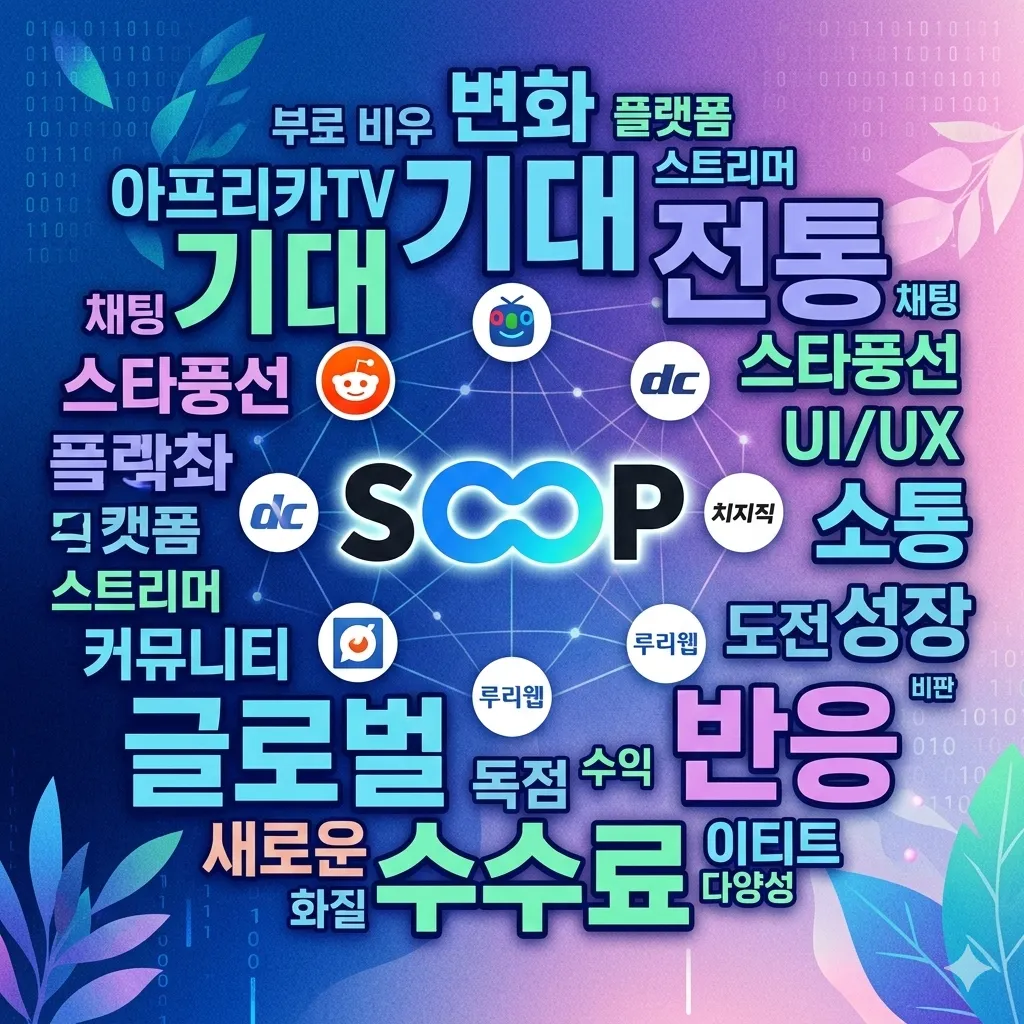
Ultimately, a platform's success depends on users' choices. What evaluations of SOOP are emerging from communities like Reddit, DC Inside, Ruliweb, and MLBPark?
Positive Reactions
The UI became much cleaner after changing to SOOP. AfreecaTV felt somewhat outdated, but now it feels modern. The mobile app has improved significantly especially.
– Reddit r/korea userYou can feel the solid community because it's a 17-year-old platform. CHZZK still feels like it lacks fandom culture because it's new, but SOOP has strong bonds between BJs and viewers. This is an advantage that money can't buy.
– DC Inside Streaming GalleryCritical Reactions
They say they're going global but English support is still insufficient. International fans still face many inconveniences trying to watch Korean BJs. It's far from Twitch-level accessibility.
– Reddit r/Twitch userThe Star Balloon exchange rate is problematic. Fees are too high when paying internationally, making it costly. Twitch's bit system was much more efficient, which is disappointing.
– Ruliweb International User BoardNeutral/Suggestion-Type Reactions
I think competition between SOOP and CHZZK is good for the market. It's much healthier than when Twitch monopolized, and streamers have more choices now. Though as a viewer, going back and forth between two platforms is bothersome.
– MLBPark Game GallerySynthesizing community reactions, evaluations of SOOP show coexistence of expectations and concerns. Positive views on 17 years of tradition and community intersect with criticisms about technical completeness as a global platform.
Future Outlook: Where is SOOP Headed After 2025? 🔮
Will SOOP's future be bright or dark? Let's forecast the directions the platform should take after 2025.
🎯 Three Major Challenges Facing SOOP
- Strengthening Global Technical Competitiveness: Utilize AWS-based infrastructure to ensure stable overseas access. Currently, some international users complain about connection instability, which needs resolution
- Securing Content Diversity: Develop various non-gaming content like IRL, mukbang, and education without relying too heavily on esports
- Securing Next-Generation Users: Attract Gen Z users aged 10-20 who are moving to CHZZK or YouTube with SOOP's unique appeal
SOOP's strength still lies in its community. The relationship between streamers and viewers built over 17 years is an asset that no platform can easily replicate. The challenge is restructuring this into UX and content that appeals to digital native generations.
Integration with AI is also worth noting. Real-time broadcast caption generation, automatic highlight clip extraction, viewer-participatory AI content, and other technological innovations are needed. To survive competition with CHZZK backed by NAVER's AI technology, SOOP must not spare investment in technology.
Outlook After 2026
SOOP aims to establish itself as 'Asia's SOOP' beyond 'Korea's Twitch'. By targeting the Southeast Asian market and exporting K-esports content simultaneously, it will continue its leap toward becoming a global platform. Success depends on technical completeness and improvements to global user experience (UX).
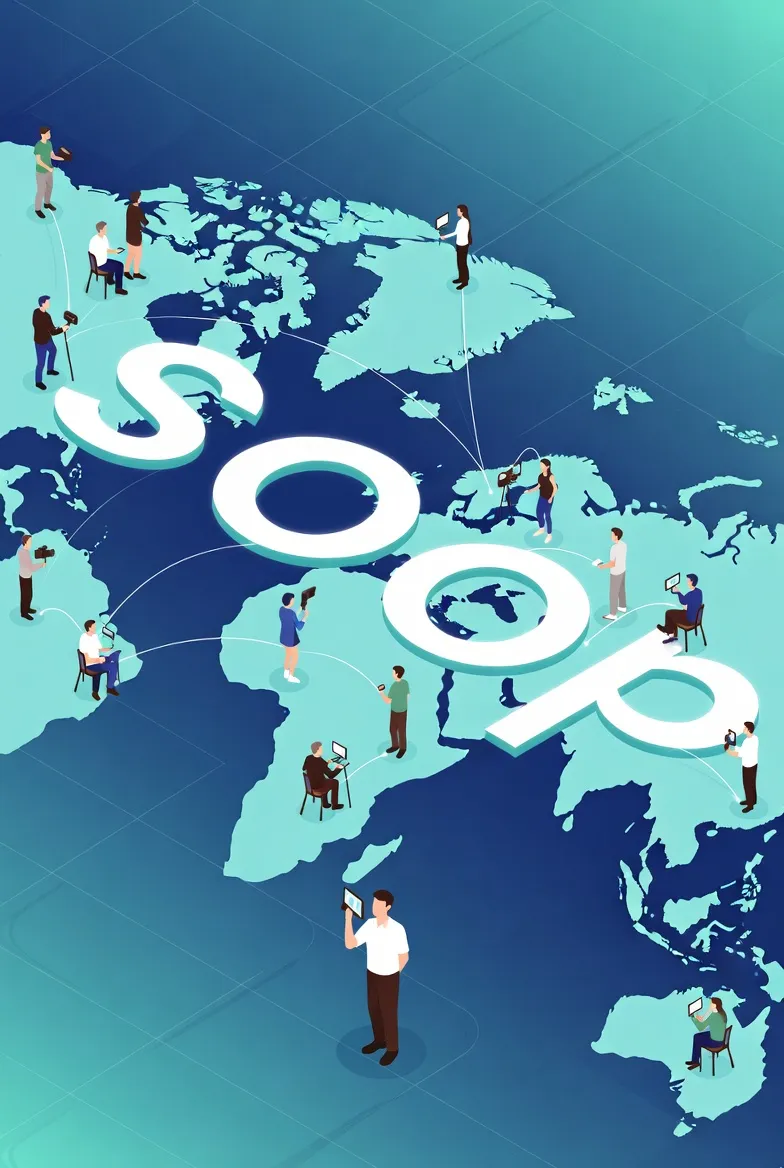
Ultimately, SOOP's success depends on how many 'trees (streamers)' stay in the forest (SOOP). At a point where 17 years of tradition can become either an asset or a shackle, SOOP's next moves will determine the future of K-streaming. 🌲