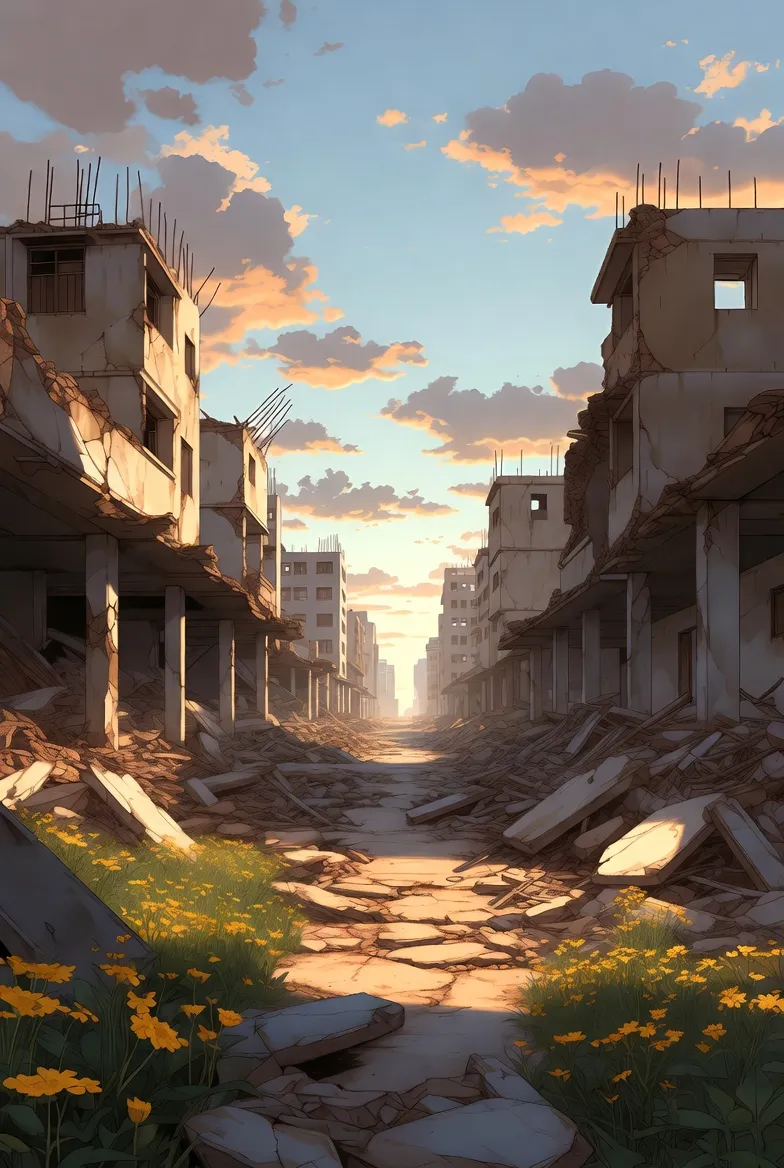
"The world forgot us, but we never stopped fighting." As 2025 comes to an end, Myanmar's winter burns hotter than ever. Overshadowed by Ukraine and Gaza, the Myanmar military junta has been pushed to the brink of collapse. However, new chaos is sprouting in the cracks. We dive deep into the situation on the ground in Myanmar in 2025.
1. Battlefield Analysis: Naypyidaw Under Siege
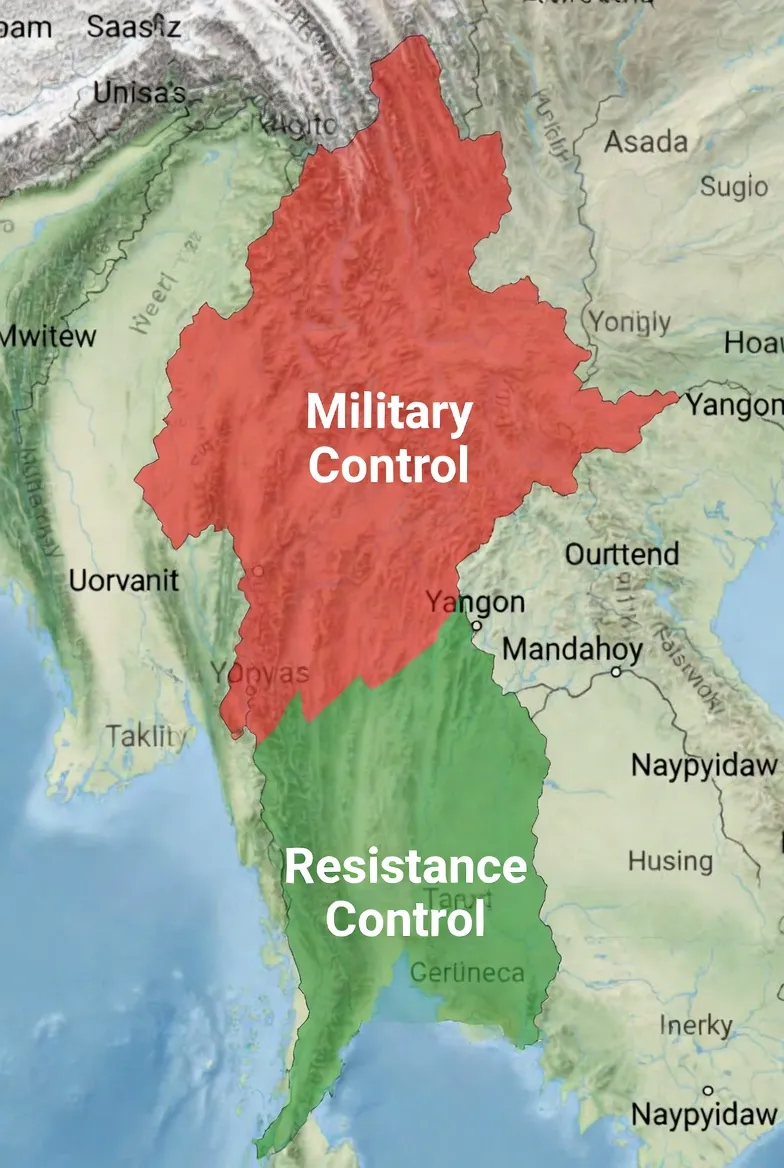
Four years after the 2021 coup, Myanmar's map has been completely redrawn. 'Operation 1027', which began in late 2023, continued as a relentless offensive throughout 2025. Currently, the territory effectively controlled by the State Administration Council (SAC) has shrunk to less than 40% of the country.
Major trade routes in northern Shan State completely seized by the Ethnic Armed Organizations (EAO) alliance. Border trade with China falls into resistance hands.
People's Defense Force (PDF) under the NUG advances to the outskirts of Mandalay using drone units. Successful strikes on airbases.
Major supply lines to the capital, Naypyidaw, cut off. Desertion rates within the military spike, making frontline maintenance impossible.
The Junta is responding with indiscriminate airstrikes using its air power, but the shortage of ground troops is severe. In Rakhine State, the Arakan Army (AA) has established a de facto autonomous government. Experts agree, "The collapse of the military regime is a matter of time; now we must worry about the chaos 'after the collapse'."
"Now the military fears us. They only trust the sky (air force), but we have won the land and the people." – From an interview with a PDF Mandalay Commander
2. Economic Collapse: 6,000 Kyats to $1?
More terrifying than the civil war is the cost of living. The value of Myanmar's currency, the 'Kyat', has become like scrap paper. The exchange rate, which was around 1,300 Kyats per dollar before the 2021 coup, has surpassed 6,000 Kyats on the black market as of late 2025.
Yangon Without Electricity
Even Yangon, once called the 'Garden of the East', receives less than 4 hours of electricity per day. Factories have stopped, and the internet is frequently cut off. The Junta strictly limits imports to prevent foreign currency outflow, leading to severe shortages of essential medicines and fuel.
Citizens are surviving through the 'shadow economy'. Thai Baht, Chinese Yuan, and cryptocurrencies like USDT (Tether) have become practical means of transaction. A strange phenomenon is occurring where the 'Spring Lottery' or digital bonds issued by the NUG serve as funding for the resistance and investment vehicles for citizens.
Key Takeaway: Why Did the Economy Crash?
It is due to the Junta's incompetent policies, Western sanctions, and tariff revenues dropping to zero as border trade routes fell to resistance forces. The Junta has no option left but to print money.
3. One Year After Conscription: The Youth's Choice
The 'Mandatory Conscription Law' enacted by the Junta in early 2024 has backfired. To avoid conscription, countless youths have either fled across the border to Thailand or joined the PDF to take up arms. As of 2025, the military's boot camps are either empty or filled with unmotivated soldiers forced into service.
- Exodus to Thailand: The border city of Mae Sot is overflowing with Myanmar refugees and youths.
- Brain Drain: Doctors, engineers, and other professionals have left en masse, paralyzing the social system.
- Internal Collapse: Conscripted soldiers are surrendering in groups at the front lines, effectively acting as 'couriers' delivering weapons to the resistance.
4. Community Voices: Between Despair and Hope
Myanmar netizens, using VPNs to bypass censorship, are voicing their vivid stories on Reddit (r/Myanmar), Facebook, and Telegram. Here are their reactions gathered in December 2025.
"I saw soldiers extorting money from vendors at the market. They used to be intimidating, but now they look hungry too. I see fear in their eyes. The end is near."
"Honestly, I'm more worried about what happens after the Junta falls. Can the NUG control dozens of armed groups? Federal agreement is crucial to avoid becoming like Libya."
5. Conclusion: What's Next for 2026?
2025 will be recorded as the year of the Myanmar Junta's 'downfall'. However, downfall does not immediately mean peace. The question of who will fill the power vacuum left by the military and how will be the main topic of 2026.
The role of the international community, especially ASEAN and China, has become crucial. China is already in contact with resistance forces, preparing for the 'post-Junta' era. We must pay attention to this forgotten war again. Myanmar's spring is not far off, but whether that spring will be warm or bring another storm of chaos depends on our attention from now on.
"We get 2 hours of electricity a day. The fridge has been a cupboard for a long time. But the news from the front lines is hopeful. If Naypyidaw falls, will the power come back? Please tell me it will."