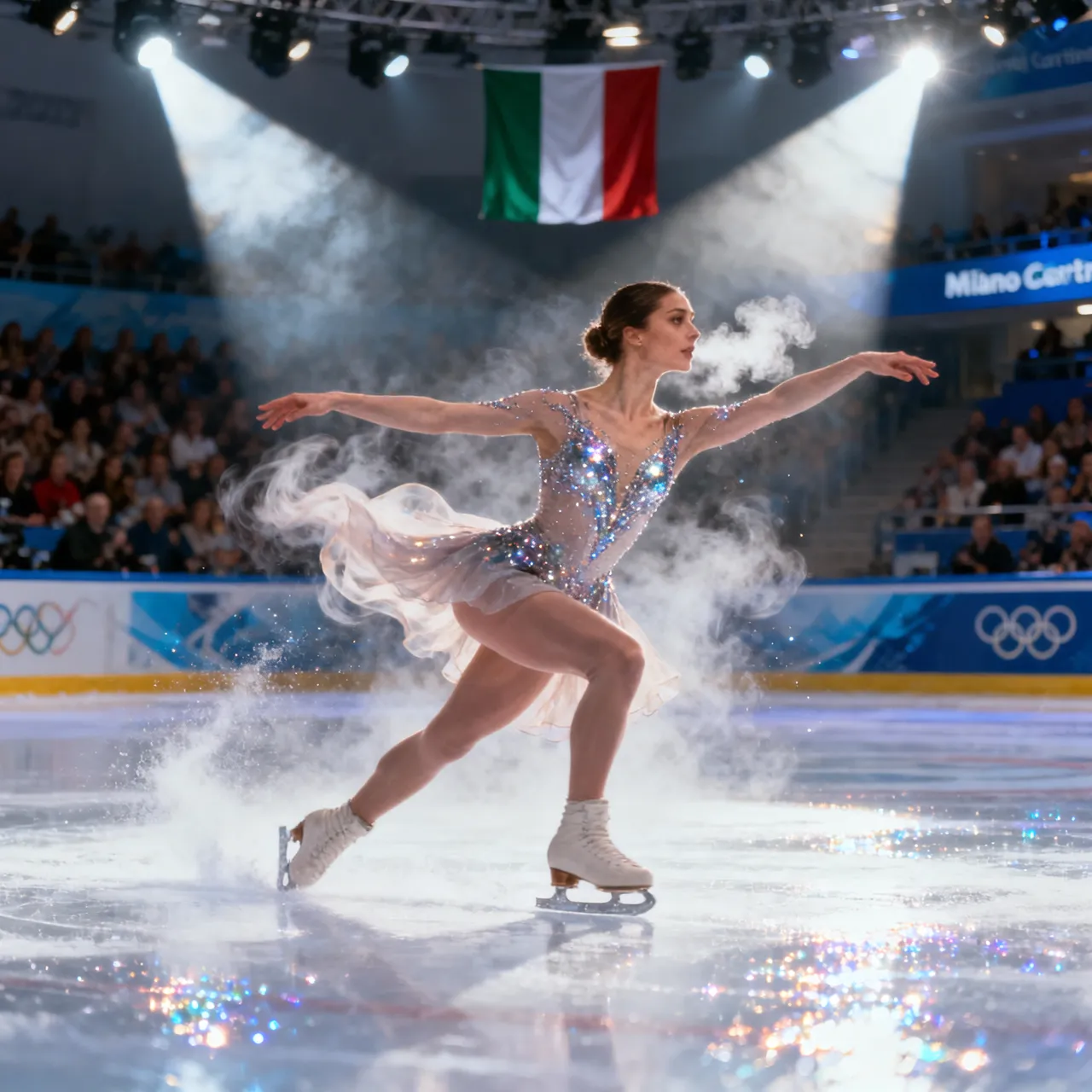
February 19, 2026, Milano Ice Skating Arena. The world's figure skating fans had their eyes fixed on this ice in Italy. The moment when the greatest stage of the Olympics, held every four years, the Ladies' Singles Free Skating, unfolded. 17-year-old rising star Ami Nakai, three-time Olympian Kaori Sakamoto's final dance, and the breathtaking challenge of the American "Blade Angels." On this day, a new legend was born, and a 20-year medal drought came to an end in a historic moment.
Prologue: The Day of Destiny Dawns 🌅
February 19, 2026, Day 13 of the Milano Cortina Winter Olympics. This day held special meaning for figure skating fans. It was the day when the Free Skating final would unfold, with new protagonists emerging after the disappointment of Beijing four years ago.
The Milano Ice Skating Arena was already packed with spectators from 6 PM local time. All 5,400 seats were filled, with fans from around the world waving their national flags and engaging in cheering battles. Particularly, Japanese and American fans displayed banners for Kaori Sakamoto and Alysa Liu respectively, adding to the excitement.
🏆 2026 Winter Olympics Ladies' Singles Key Schedule
- February 17 (Tue): Short Program - 24 out of 29 skaters advance to Free Skating
- February 19 (Thu): Free Skating - Medal Decider
- Time: 18:00 Local Time / 02:00 KST (early morning next day)
- Venue: Milano Ice Skating Arena
The biggest question of this competition was undoubtedly "Who will win the gold medal?" After the Short Program results, Japan's 17-year-old rising star Ami Nakai led with 78.71 points, followed by teammate Kaori Sakamoto with 77.23 points, and USA's Alysa Liu with 76.59 points. An ultra-close competition with just a 1.48-point difference had formed.
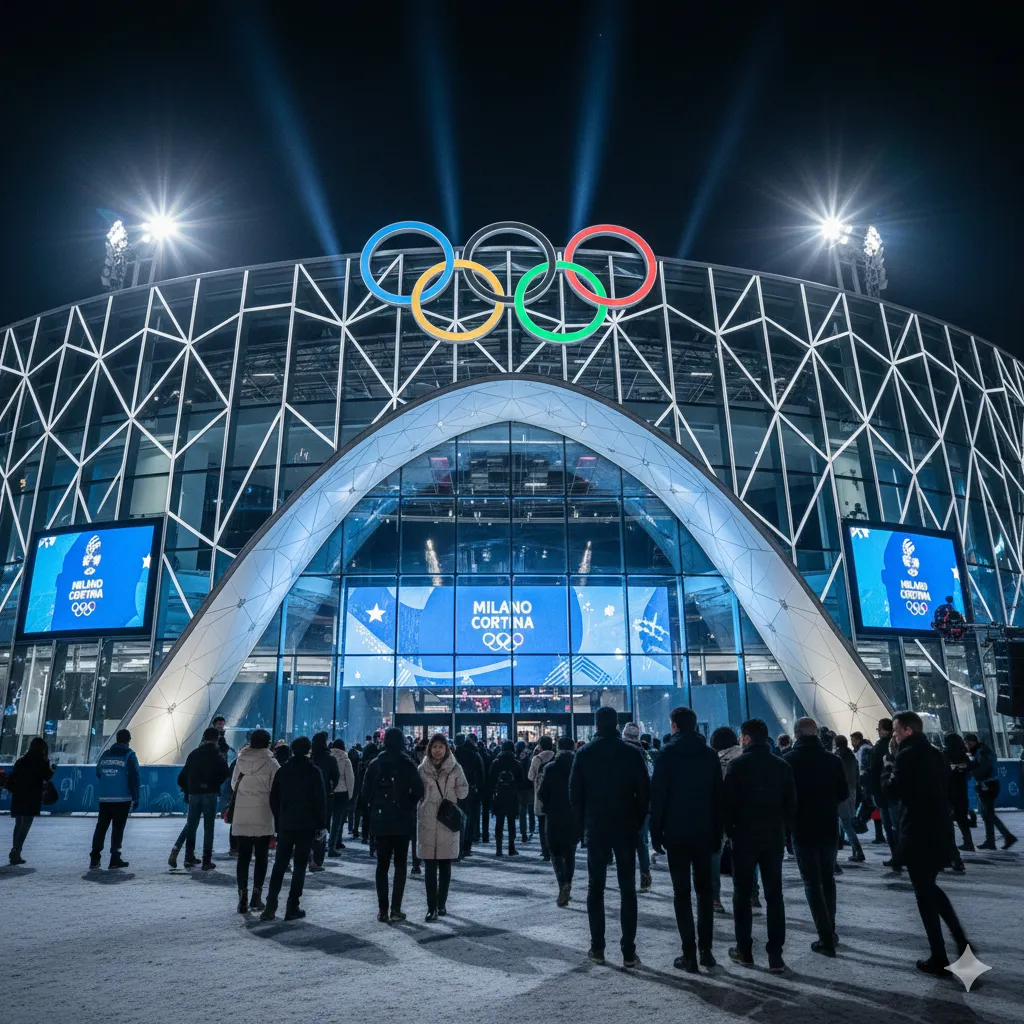
Short Program Review: The Dramatic 1.48-Point Gap 📊
To understand the Free Skating, we must first look at the results from the Short Program held on February 17. Within the short 2 minutes and 40 seconds, skaters had to show everything they had.
Short Program Final Standings TOP 10
| Rank | Skater | Nation | Total (TSS) | Tech (TES) | Artistic (PCS) |
|---|---|---|---|---|---|
| 1 | Ami Nakai | 🇯🇵 Japan | 78.71 | 45.02 | 33.69 |
| 2 | Kaori Sakamoto | 🇯🇵 Japan | 77.23 | 40.08 | 37.15 |
| 3 | Alysa Liu | 🇺🇸 USA | 76.59 | 41.34 | 35.25 |
| 4 | Mone Chiba | 🇯🇵 Japan | 74.00 | 38.72 | 35.28 |
| 5 | Adeliia Petrosian | 🌍 Individual Neutral | 72.89 | 40.44 | 32.45 |
| 6 | Anastasiia Gubanova | 🇬🇪 Georgia | 71.77 | 38.28 | 33.49 |
| 7 | Loena Hendrickx | 🇧🇪 Belgium | 70.93 | 36.92 | 34.01 |
| 8 | Isabeau Levito | 🇺🇸 USA | 70.84 | 36.77 | 34.07 |
| 9 | Lee Hae-in | 🇰🇷 South Korea | 70.07 | 37.61 | 32.46 |
| 10 | Niina Petrõkina | 🇪🇪 Estonia | 69.63 | 36.80 | 32.83 |
The biggest variable in the Short Program was the "Triple Axel." The most difficult jump in ladies' singles, a 3.5-revolution jump, is a high-scoring element with a base value of 8.00 points plus Grade of Execution (GOE). Only Ami Nakai and Amber Glenn attempted this jump, and it had a decisive impact on the rankings.
"I'm not thinking about competing with Kaori. I just want to enjoy this moment." — Ami Nakai, post-Short Program interview (Feb 17, 2026)
Nakai, a 17-year-old rising star who considers Mao Asada her role model, made her Olympic debut at these Games. She skated to "Time to Say Goodbye," successfully landed a perfect Triple Axel, followed by a clean Triple Loop-Triple Toe Loop combination and Triple Loop, setting a new personal best score.
Key Elements: Triple Axel (+2.5 GOE), Triple Loop-Triple Toe Loop Combo (+1.8 GOE), All spins Level 4 achieved
Meanwhile, Kaori Sakamoto, despite not attempting a Triple Axel, chased Nakai closely with outstanding artistry, earning 37.15 points in Program Components Score (PCS). The 25-year-old was the protagonist of a "Last Dance," having announced her retirement after these Olympics.
USA's Alysa Liu, despite slight under-rotation on her Triple Axel, delivered a clean overall performance to secure 3rd place. On the other hand, Amber Glenn, though she successfully landed her Triple Axel, suffered a fatal error when her subsequent Triple Loop popped to a double, losing 7 points. This dropped her significantly to 13th place (67.39 points), making medal acquisition extremely difficult.
Free Skating: Epic on Ice ⛸️
4 minutes, maximum 7 jumping elements, 3 spins, step sequences and choreographic sequences. Free Skating is a 4-minute epic that showcases the essence of figure skating. Since Short Program scores carry over, the 1.48-point gap was a minuscule margin that could be overturned in an instant.
Competition Timeline: 4 Hours of Destiny
Free Skating started from the lower ranks. South Korea's Shin Ji-a (14th) and Lee Hae-in (9th) competed in this group. Lee Hae-in finished 12th overall, leaving some disappointment.
Isabeau Levito (8th) and Loena Hendrickx (7th) competed. Levito delivered a clean performance but showed limitations in technical difficulty, maintaining 8th place.
The medal decider final group. Anastasiia Gubanova (6th), Adeliia Petrosian (5th), Mone Chiba (4th), Alysa Liu (3rd), Kaori Sakamoto (2nd), and Ami Nakai (1st) performed in that order.
After all skaters finished performing, a period of waiting ensued. The judges tallied scores, and the world held its breath awaiting the results.
The key to Free Skating is the combination of "quadruple jumps" and "triple axels." As of 2026, very few female skaters attempt quadruple jumps, but the strategy of including two or more triple axels has become the mainstream.
Understanding Figure Skating Scoring
Total Score = Short Program Score + Free Skating Score
- Technical Score (TES): Base value of each jump and spin × Grade of Execution (GOE)
- Artistic Score (PCS): Four components including skating skills, performance, composition, and interpretation
- Deductions: Falls (-1 point), time violations, costume issues, etc.
At the 2026 Olympics, a factor of 2.67 was applied to Free Skating Program Components Scores.
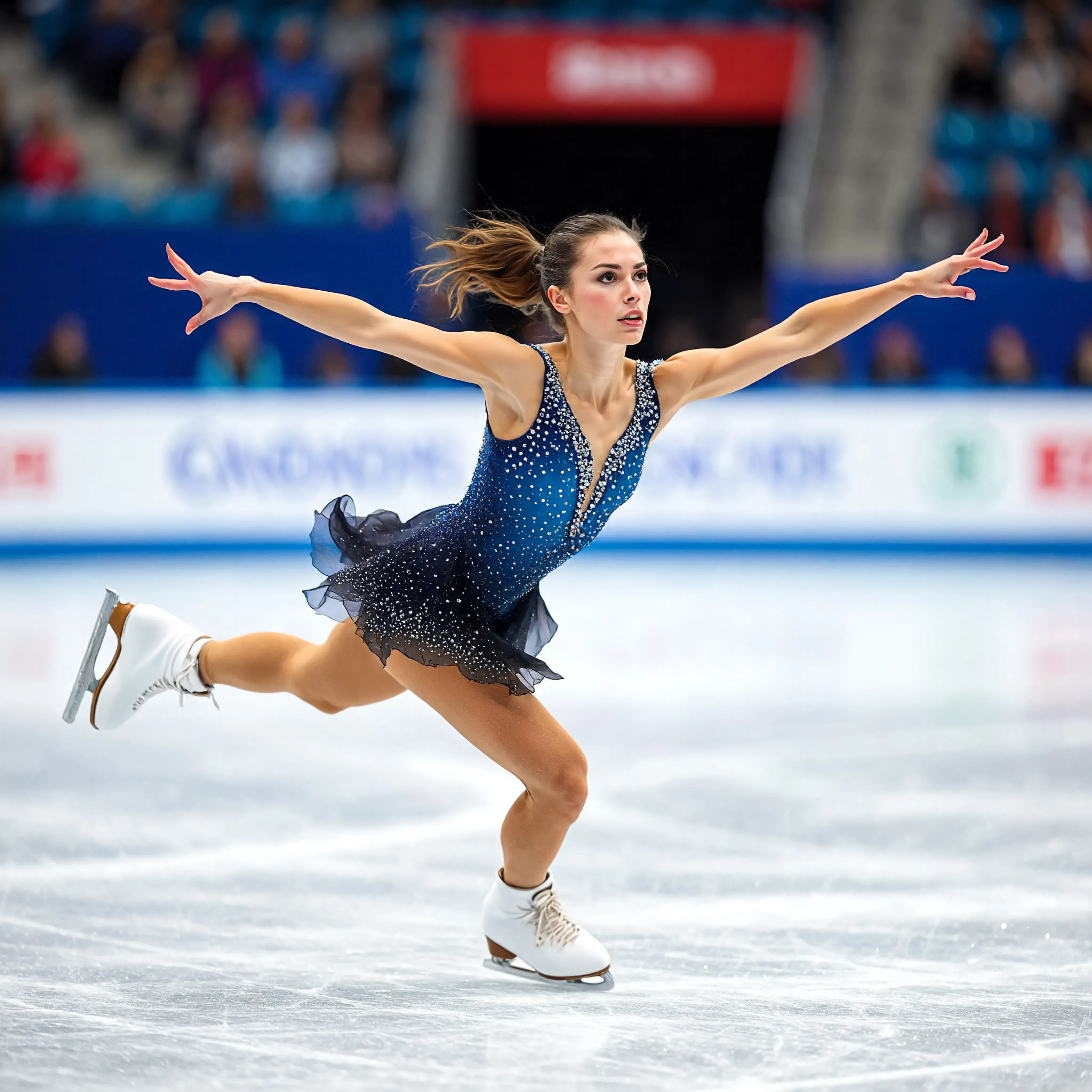
Medalists Deep Dive: The Dance of Three Angels 🥇🥈🥉
🥇 Gold: Ami Nakai (Japan) - Arrival of a Rising Star
Born in 2008, 17-year-old Ami Nakai ascended as the queen of the 2026 Milano Cortina Olympics. Her Free Skating was a perfect epic set to the melody of "La Strada."
Nakai's program composition was aggressive. Starting with an opening Triple Axel, followed by Triple Loop-Triple Toe Loop, Triple Flip-Double Toe Loop-Double Loop combination, and Triple Lutz-Triple Toe Loop, she cleanly landed all 7 jumping elements. Particularly, the Triple Axel placed in the latter half was an expression of mental strength beyond physical limits.
"I feel like I'm dreaming. I remembered the rink in Luxembourg where I first landed a Triple Axel at age 14. Would that girl have imagined this moment?" — Ami Nakai, after winning gold
Nakai's victory is a symbolic moment heralding a new era for Japanese figure skating. She became the youngest Olympic Ladies' Singles champion since Kim Yuna in 2010, and the first Triple Axel queen to emerge since the Mao Asada-Kim Yuna era.
🥈 Silver: Kaori Sakamoto (Japan) - A Legend's Final Dance
Three consecutive Olympic appearances, three consecutive medals. Kaori Sakamoto (25) was a champion who announced her retirement after these Olympics. Her Free Skating music "Time to Say Goodbye" seemed to hint at her career.
Sakamoto captivated judges and audiences with the highest artistry even without a Triple Axel. Her Program Components Score (PCS) was an impressive 74.89 points, approaching the world season's best record for 2026. Perfect landings on triple jumps, Level 4 spin achievements, and musical interpretation in step sequences all received near-perfect evaluations.
"It sounds like a lie, but I really enjoyed today. My Lutz wasn't perfect but I held on, and I didn't make mistakes until the end. I couldn't stop smiling while skating." — Kaori Sakamoto, after winning silver
Despite the disappointment of a 1.61-point gap, Sakamoto left the ice with a bright smile. She set a great record as a three-time consecutive Olympic medalist, with bronze from Beijing 2022 and silver from Milano 2026.
🥉 Bronze: Alysa Liu (USA) - End of a 20-Year Drought
Alysa Liu's (20) bronze medal holds historic significance for US Ladies' Figure Skating. It marked the end of a 20-year individual event medal drought since Sarah Hughes' gold at the 2006 Torino Olympics.
Liu delivered an emotional performance to Rauf & Faik's "Promise." Starting with a Triple Axel-Double Toe Loop combination, followed by Triple Lutz-Triple Toe Loop and Triple Flip-Double Toe Loop-Double Loop, she successfully executed 6 out of 7 jumping elements perfectly. One Double Loop pop was regrettable, but her artistic expression moved the judges.
"I don't need a medal, I just need to be here and have people watch what I do next. I just want to be present in this moment." — Alysa Liu, post-competition interview (Feb 19, 2026)
Liu's career has been dramatic. She became the youngest US Champion at age 13, competed at the Beijing Olympics at 16 finishing 7th, then announced her retirement due to burnout and took a two-year break. Missing figure skating during a ski trip, she returned and decided to skate on her own terms.
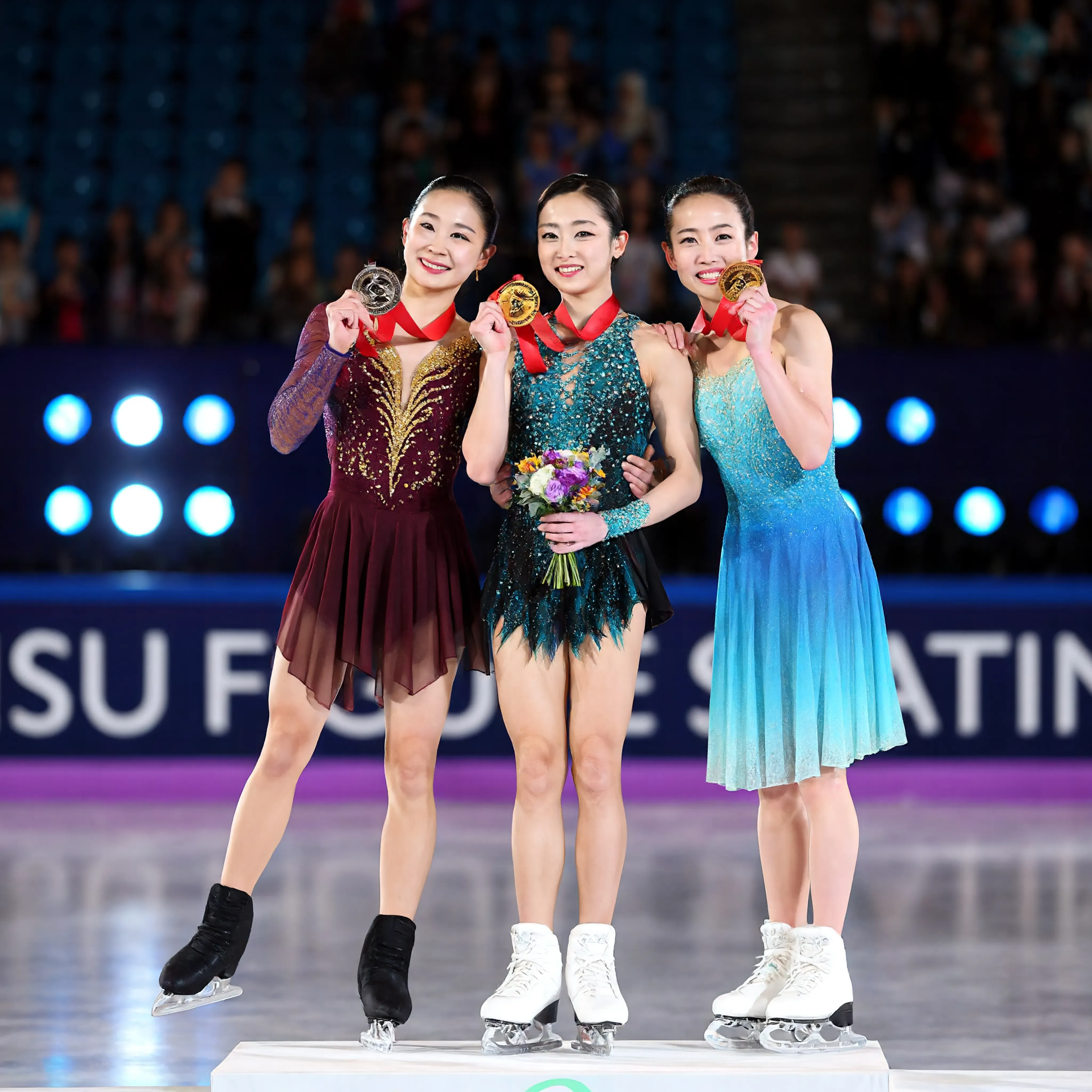
Blade Angels' Fate: Mixed Fortunes for USA 🇺🇸
The American media dubbed Alysa Liu, Isabeau Levito, and Amber Glenn as the "Blade Angels," generating high expectations before the Olympics. All three were considered medal contenders, but their fates diverged sharply.
Isabeau Levito - 8th Place
18-year-old Olympic rookie Levito delivered a clean performance but showed limitations in technical difficulty. With 70.84 points in the Short and 138.92 points in the Free for a total of 209.76 points, she remained in 8th place. Her strengths in elegant lines and musical interpretation stood out, but without quadruple jumps or triple axels, she fell behind competitors in technical scores.
Amber Glenn - 10th Place
Amber Glenn (25), who received the most attention among the three, concluded her Olympics with disappointment. Starting from 13th place (67.39 points) due to a fatal error in the Short Program (Triple Loop pop), she couldn't complete a perfect revenge story in the Free Skating either.
In the Free, she started with a Triple Axel-Double Toe Loop, but fell on a Triple Lutz in the latter half. This dealt a major blow to her technical score, and she finished 10th overall (214.58 points). After the competition, she shed tears in the Kiss and Cry zone, while teammate Alysa Liu offered words of comfort.
"She's been through so much and worked so hard. She's a true grinder. She's overcome a lot. I just want her to be happy. That's all." — Alysa Liu, expressing camaraderie for Amber Glenn (Feb 17, 2026)
Glenn received attention before the Olympics for expressing support for the LGBTQ+ community. She stated, "The LGBTQ+ community is going through a tough time under the Trump administration," confidently revealing her identity. Though she missed the medal, her courageous journey inspired many.
3rd (224.76 pts)
8th (209.76 pts)
10th (214.58 pts)
Global Fandom Reactions: Moments That Set Social Media Ablaze 📱
The 2026 Milano Cortina Winter Olympics Ladies' Singles Free Skating heated up social media worldwide. Millions of tweets poured out in real-time during the competition, and Reddit's figure skating community recorded traffic that crashed servers.
Reddit Community Reactions
"Nakai's Triple Axel wasn't just a jump. It was art, and the composure of a 20-year veteran shown by a 17-year-old girl. It's the best Axel since Mao Asada."
"I cried watching Sakamoto's 'Time to Say Goodbye.' She may have missed gold, but she's the champion in our hearts. Three consecutive Olympic medals is legendary."
"Amber Glenn's Short Program mistake shows the cruelty of figure skating. One pop costs 7 points and steals an Olympic medal. But the Triple Axel she showed was still beautiful."
Twitter/X Reactions
"Alysa Liu saying 'I don't need a medal, I just need to be here' is the most mature thing I've heard from a 20-year-old. The growth from Beijing to Milan is incredible. #BladeAngels #MilanoCortina2026"
"Ami Nakai 17yo Olympic Gold 🥇 Kaori Sakamoto silver in her final competition 🥈 Greatest day in Japanese ladies' figure skating history. Mao Asada must be watching. #FigureSkating #MilanoCortina2026"
Controversy over judging also continued. Following fan dissatisfaction with Madison Chock/Evan Bates losing to France in Ice Dance, discussions about "ISU judging system transparency" were active as the controversy carried over to Ladies' Singles.
"Every time the public is confused by results, it hurts our sport. It's hard to retain fans. We need more clarity for skaters, coaches, and audiences alike." — Madison Chock, Ice Dance Silver Medalist (Feb 13, 2026)
Technical Innovation and Artistic Harmony 🔬
The 2026 Olympics showcased the evolution of figure skating technique. Particularly, the popularization of the Triple Axel in ladies' singles is changing the landscape of this discipline.
Triple Axel: The Queen's Jump
The Triple Axel (3A) is a 3.5-revolution jump moving forward, with an additional half-revolution on landing for a total of 3.5 revolutions. Its base value of 8.00 points far exceeds other triple jumps (4.0-5.5 points). At the 2026 Olympics Ladies' Singles, only three skaters successfully landed 3As (Ami Nakai, Amber Glenn, Alysa Liu), but all three finished in the TOP 10, demonstrating the importance of this jump.
Absence of Quadruple Jumps and the Future
While men's singles has entered the era of quadruple (4-revolution) jumps, quads have not yet become mainstream in ladies' singles. No skater attempted a quad at the 2026 Olympics. This is analyzed to be due to female skaters' physiological characteristics and injury risks.
However, Russian Individual Neutral Athlete Adeliia Petrosian (17) has already successfully landed a Quad Toe Loop in practice. By the 2030 Cortina Olympics, quads may become the new standard in ladies' singles.
Key Points: 2026 Olympics Technical Trends
- Triple Axel has become an essential element for medals
- Quadruple jumps remain a challenge
- Importance of Program Components Score (PCS) has been re-highlighted
- Level 4 achievement in step sequences and spins has become standard
Epilogue: The Beginning of a New Era 🌅
February 19, 2026, the lights of Milano Ice Skating Arena dimmed and the skaters left the ice. But the footprints they left will be engraved in figure skating history forever.
Ami Nakai became Olympic champion at age 17, rising beyond the title of "rising star" to enter the ranks of "legend." Her next 10 years are anticipated. Kaori Sakamoto retired with a record of three consecutive medals, showing juniors what "role model" means. Alysa Liu ended a 20-year medal drought and became the new hope of American figure skating.
And Amber Glenn and Isabeau Levito promised next time despite their disappointment. The 2030 Cortina Olympics await in four years. Figure skating is an endless series of challenges.
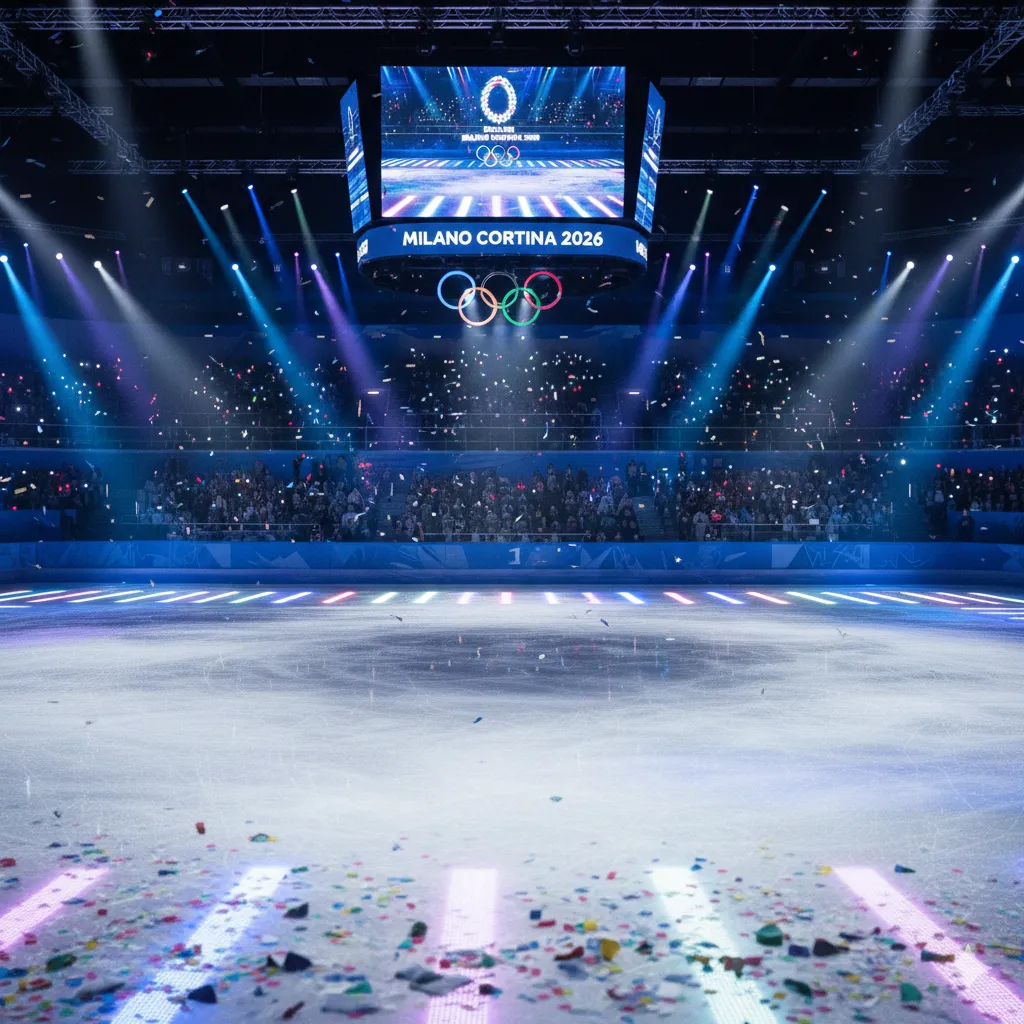
The 2026 Milano Cortina Winter Olympics Ladies' Singles Free Skating was more than just a competition. It was art where youth's passion and veteran's wisdom coexisted, showing human possibility. The 4-minute epic on ice gave us all unforgettable emotion.
🏆 2026 Winter Olympics Ladies' Singles Final Standings TOP 5
- 🥇 Ami Nakai - Japan | 227.79 points
- 🥈 Kaori Sakamoto - Japan | 226.18 points
- 🥉 Alysa Liu - USA | 224.76 points
- 4th Mone Chiba - Japan | 222.98 points
- 5th Adeliia Petrosian - Individual Neutral | 219.34 points
See you again in four years, at Cortina 2030. What new legends will be born then? We are already waiting for that day. ⛸️✨