This article is intended to provide general health and lifestyle information only and is not a substitute for professional medical diagnosis, treatment, or advice. If you have specific health concerns or symptoms, please consult with a qualified healthcare provider.
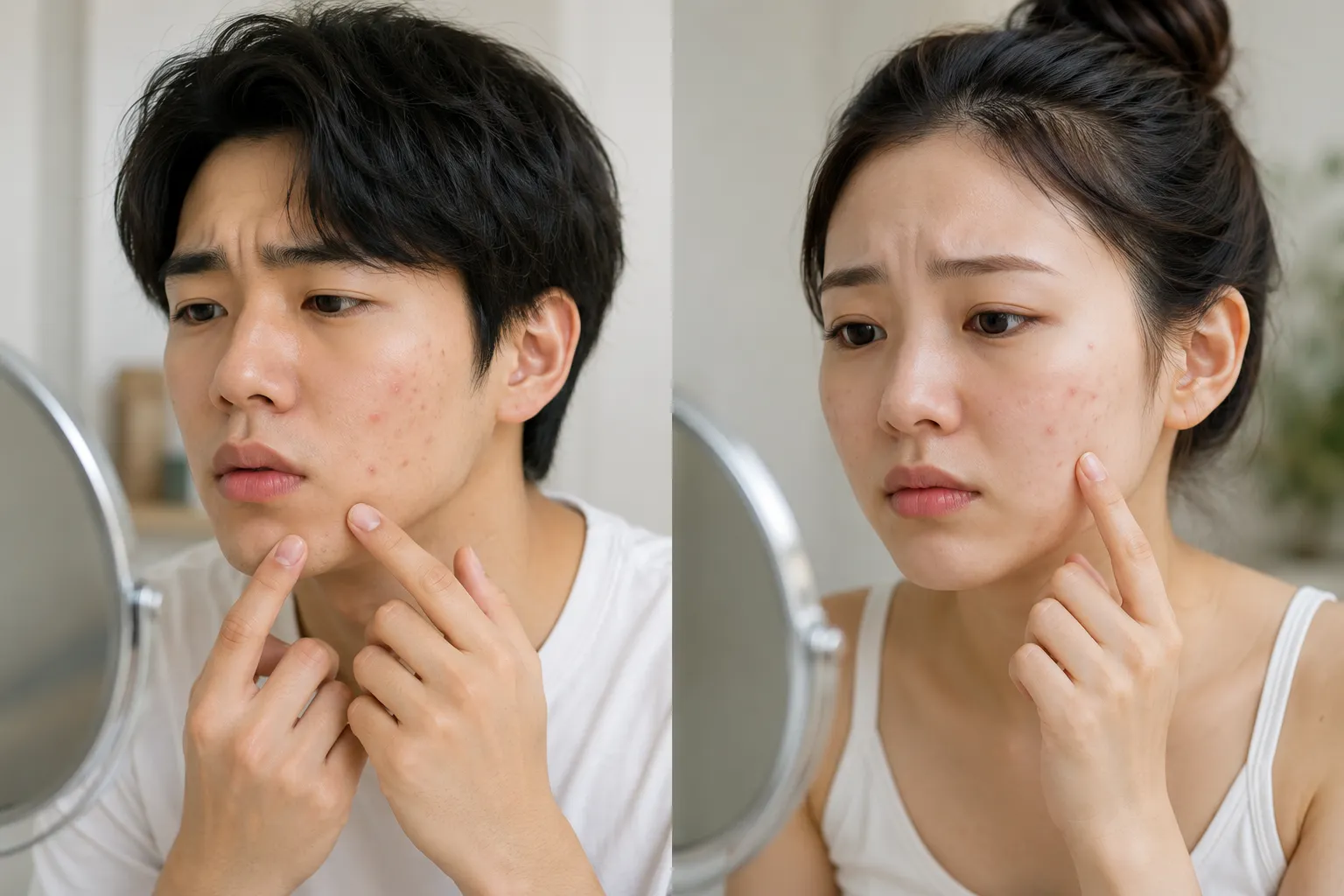
Are you stressed about acne that seems to appear every time you look in the mirror? Acne is more than just a skin problem—it can significantly impact self-esteem and confidence. However, with the right knowledge and consistent care, it can be effectively managed. This comprehensive guide presents evidence-based acne prevention strategies and management techniques backed by the latest dermatological research.
Table of Contents
Understanding Acne: Causes and Mechanisms
Acne doesn't occur simply because you have "oily skin." It's a complex skin condition influenced by multiple factors. According to the American Academy of Dermatology, acne affects more than 85% of adolescents and many adults worldwide, making it one of the most common skin conditions.
Acne begins when pores become clogged with dead skin cells and excess oil (sebum). The bacteria Propionibacterium acnes then multiply, triggering an inflammatory response that results in red, painful pimples.
Primary Causes
| Cause | Explanation | Impact Level |
|---|---|---|
| Hormonal Changes | Increased androgens during puberty, menstrual cycles, pregnancy, and stress | Very High |
| Excess Oil Production | Overactive sebaceous glands due to oily skin or hormonal imbalance | High |
| Abnormal Keratinization | Dead skin cells fail to shed properly and clog pores | High |
| Bacterial Growth | Overgrowth of P. acnes bacteria causing inflammation | Moderate |
| Inflammation | Immune system overreaction causing redness, swelling, and pain | Moderate |
Recent research from Harvard Medical School confirmed that stress elevates cortisol levels, which in turn increases sebum production. This explains why acne often worsens during exam periods or important project deadlines.
Science-Backed Prevention Strategies
Preventing acne requires understanding its causes and implementing practical daily habits. According to studies published in the Journal of the American Academy of Dermatology, consistent preventive care can reduce acne occurrence by more than 60%.
Daily Prevention Habits
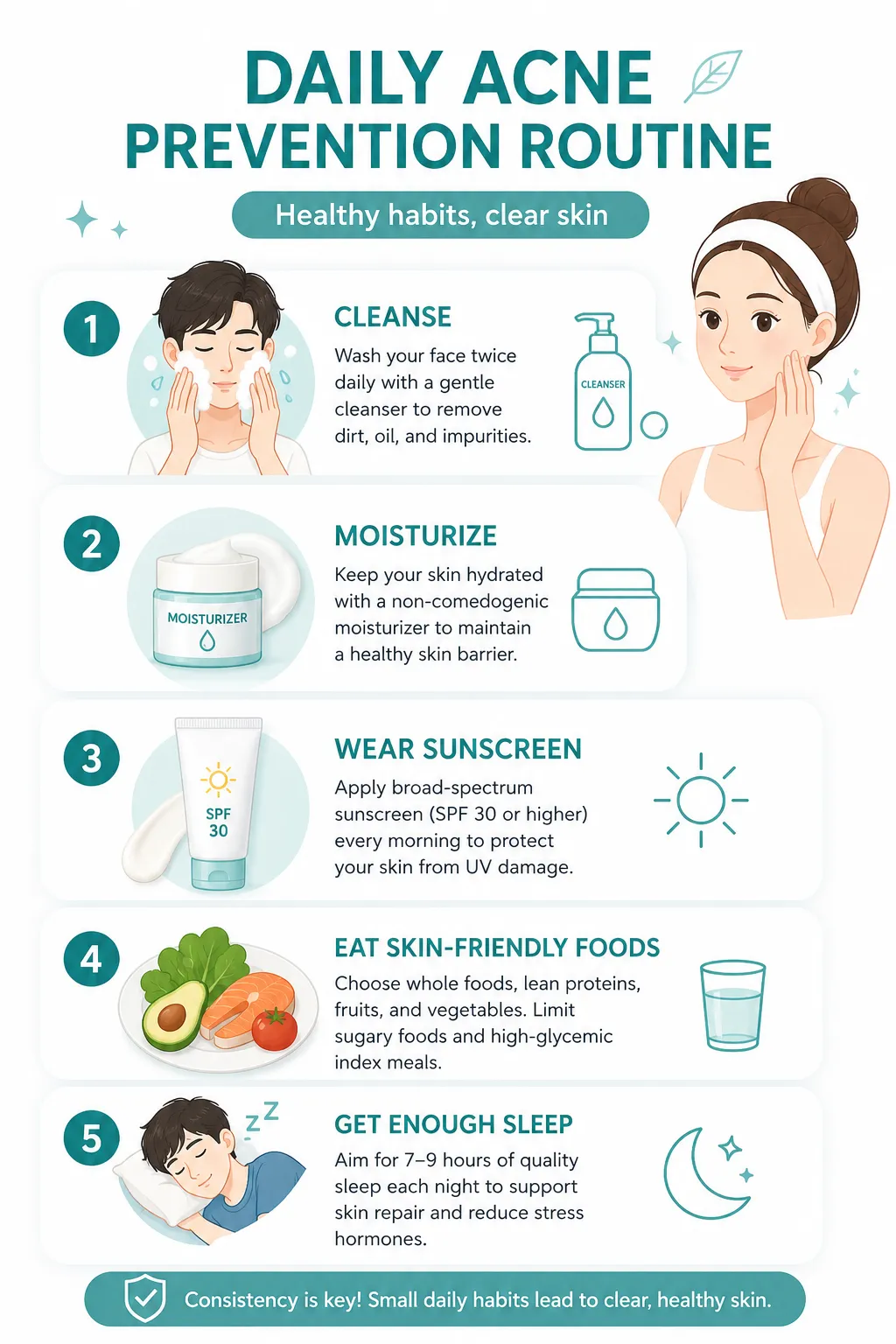
- Gentle cleansing twice daily: Wash your face morning and evening with a mild cleanser. Over-washing can actually stimulate more oil production.
- Use non-comedogenic products: Choose cosmetics and sunscreens labeled "non-comedogenic" that won't clog pores.
- Avoid touching your face: Bacteria and dirt from your hands can worsen acne.
- Change pillowcases regularly: Replace pillowcases 2-3 times per week to prevent bacteria and oil buildup.
- Keep your phone screen clean: Wipe your smartphone screen daily with an alcohol swab.
- Cleanse immediately after sweating: Wash your face within 30 minutes after exercise.
Never pick or squeeze acne lesions. This can worsen inflammation and lead to permanent scarring. Instead, use topical treatments containing salicylic acid or benzoyl peroxide.
Proper Cleansing and Skincare Routine
Proper skincare is fundamental to acne prevention. However, using too many products or harsh ingredients can damage your skin barrier. Here's the step-by-step routine recommended by dermatologists.
Morning Routine
| Step | Product/Method | Purpose |
|---|---|---|
| Step 1: Cleanse | Gentle amino acid-based cleanser | Remove overnight oil and impurities |
| Step 2: Toner | Alcohol-free, soothing ingredients | Balance skin pH |
| Step 3: Serum | Niacinamide or Vitamin C | Reduce inflammation, antioxidant protection |
| Step 4: Moisturize | Lightweight gel moisturizer | Hydrate and strengthen skin barrier |
| Step 5: Sunscreen | SPF 30+, non-comedogenic | Prevent UV-induced inflammation and hyperpigmentation |
Evening Routine
| Step | Product/Method | Purpose |
|---|---|---|
| Step 1: Double Cleanse | Oil cleanser + Water-based cleanser | Completely remove makeup and sunscreen |
| Step 2: Exfoliation | Salicylic acid 0.5-2% (2-3x/week) | Remove dead skin cells, prevent blackheads |
| Step 3: Treatment | Retinol or benzoyl peroxide | Treat acne, promote cell turnover |
| Step 4: Moisturize | Ceramide-rich cream | Restore skin barrier, lock in moisture |
Don't use retinol and benzoyl peroxide at the same time, as they can neutralize each other's effectiveness. Use retinol in the evening and benzoyl peroxide in the morning.
Diet's Impact on Skin Health
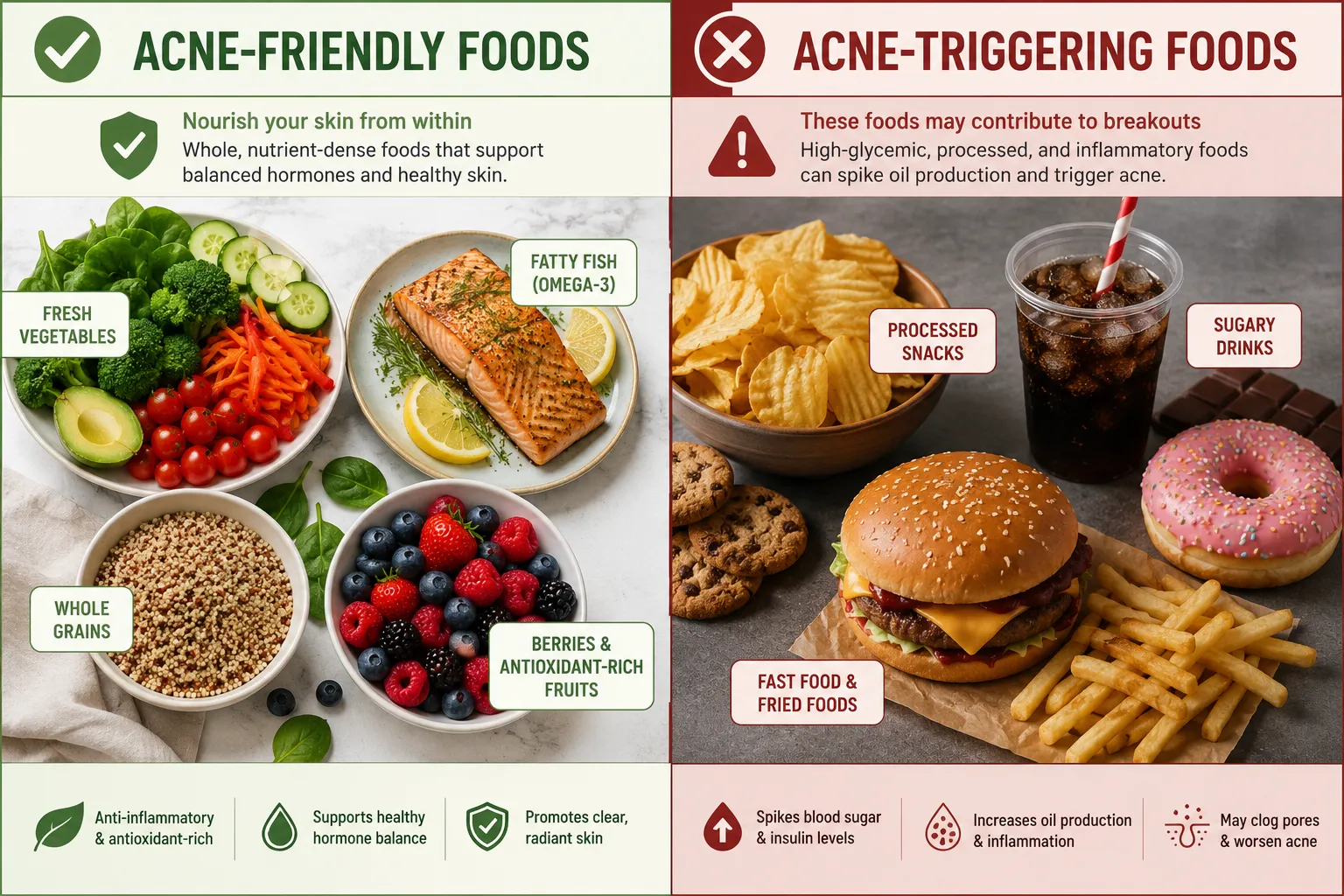
As the saying goes, "You are what you eat"—your diet directly affects your skin health. Over the past decade, numerous studies have found evidence linking certain foods to acne development.
Foods to Avoid
| Food Category | Effect | Better Alternatives |
|---|---|---|
| High Glycemic Index Foods (white bread, sugar, soda) |
Rapid insulin spike → increased androgens → more oil production | Whole grains, oats, sweet potatoes |
| Dairy Products (especially skim milk) |
IGF-1 hormone increase promotes pore clogging | Almond milk, oat milk, soy milk |
| Fast Food (fried foods, burgers) |
Excess omega-6 fatty acids → increased inflammation | Grilled fish, olive oil cooking |
| Chocolate (especially milk chocolate) |
Sugar and fat worsen inflammatory response | Dark chocolate 70%+ (in moderation) |
Foods to Embrace
- Omega-3 Fatty Acids: Salmon, mackerel, chia seeds, flaxseeds - powerful anti-inflammatory effects
- Zinc: Oysters, pumpkin seeds, lentils - regulates oil production, promotes healing
- Vitamin A: Carrots, spinach, sweet potatoes - cell regeneration, keratin regulation
- Probiotics: Kimchi, yogurt, kefir - improves gut health, reduces skin inflammation
- Antioxidants: Berries, green tea, dark chocolate - protects skin from free radicals
- Water: At least 2 liters daily - flushes toxins, maintains skin hydration
According to research from Imperial College London, teenagers who followed a low-glycemic index diet for 12 weeks experienced more than 50% reduction in acne lesions. This demonstrates that dietary changes play a crucial role in acne management.
Lifestyle Changes for Healthier Skin
Skin health isn't determined solely by topical products. Sleep, stress management, and exercise all significantly impact your skin's condition.
The Importance of Sleep
The hours between 10 PM and 2 AM are when skin cell regeneration is most active. Insufficient sleep during this time elevates cortisol levels, which stimulates sebum production.
Skin-Friendly Sleep Habits
- ✓ Consistent bedtime (7-9 hours of sleep)
- ✓ Silk or satin pillowcase (reduces friction)
- ✓ Avoid screens before bed (block blue light)
- ✓ Maintain bedroom temperature at 65-68°F (18-20°C)
Stress Management
Chronic stress is a major acne trigger. The stress hormone cortisol stimulates sebaceous glands and exacerbates inflammatory responses.
- Meditation: 10 minutes of daily mindfulness meditation reduces cortisol levels
- Yoga: Improves circulation and reduces stress
- Deep Breathing: 4-7-8 technique (inhale 4s, hold 7s, exhale 8s)
- Hobbies: Engage in enjoyable activities to boost dopamine
The Role of Exercise
Regular exercise improves circulation, reduces stress, and helps balance hormones. However, post-workout care is crucial.
If you don't cleanse within 30 minutes after sweating, sweat and oil can mix and clog pores. Wash your face immediately after exercise with a gentle cleanser and apply a light moisturizer. Change out of workout clothes promptly as well.
When to See a Dermatologist
If home care doesn't improve your acne, professional help is necessary. Consider visiting a dermatologist in the following situations:
When to Seek Professional Help
- ⚠️ No improvement after 6-8 weeks of consistent home care
- ⚠️ Painful cystic acne present
- ⚠️ Acne leaving scars or dark marks
- ⚠️ Acne affecting mental health and self-esteem
- ⚠️ Sudden severe breakout (possible hormonal imbalance)
Professional Treatment Options
| Treatment | Best For | Expected Duration |
|---|---|---|
| Topical Retinoids (tretinoin, adapalene) |
Mild to moderate acne | 8-12 weeks |
| Oral Antibiotics (doxycycline, minocycline) |
Inflammatory acne | 3-6 months |
| Oral Contraceptives | Hormonal acne (women) | 3-6 months |
| Isotretinoin (Accutane) |
Severe cystic acne | 4-6 months |
| Chemical Peels (salicylic acid, glycolic acid) |
Comedones, hyperpigmentation | Every 4-6 weeks |
| Laser/Light Therapy | Reduce inflammation, improve scarring | 4-6 sessions |
Acne is a treatable skin condition. With patience and consistent care, improvement is absolutely achievable. Don't get discouraged while finding the right treatment approach for you. Working with a dermatologist to create a personalized treatment plan is the most important step.
Conclusion: Your Journey to Healthy Skin
Acne prevention and management isn't a quick fix. When proper cleansing habits, balanced nutrition, adequate sleep, and stress management work together in harmony, that's when you'll achieve truly healthy skin.
Try implementing the strategies introduced in this article one by one. Changes may seem slow at first, but with consistent practice for 4-6 weeks, you'll definitely notice positive improvements.
3 Things You Can Start Today
- Go to bed before 11 PM tonight
- Cleanse with a gentle cleanser tomorrow morning
- Set a goal to drink 2 liters of water today
"Skin is the mirror of health. Caring for your inner self is the path to nurturing your outer appearance."