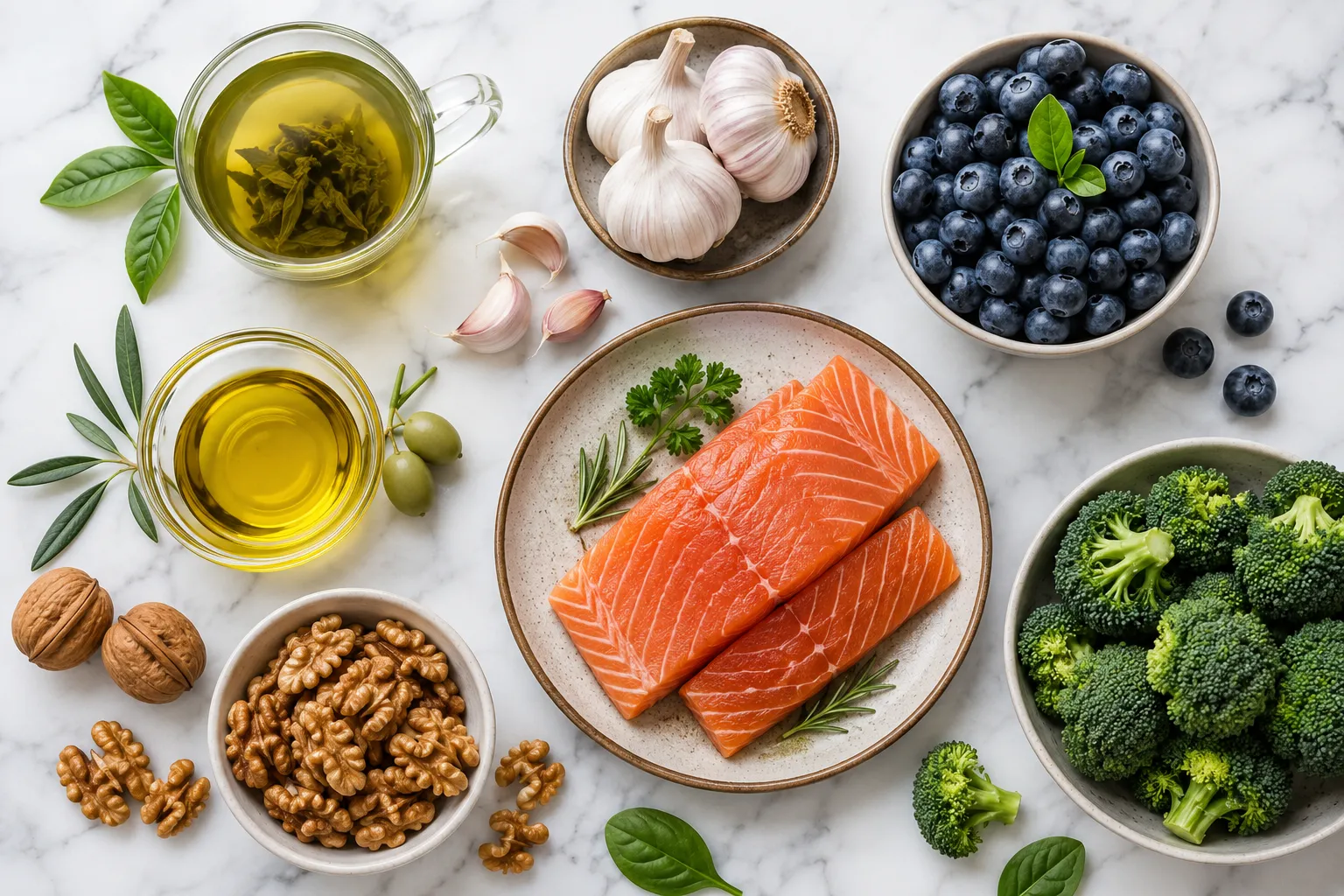
If your body had a silent, overworked employee, it would be your liver. Performing more than 500 distinct biochemical functions every day — from detoxifying your blood to metabolizing nutrients — the liver rarely complains until things get serious. That's why it's earned the nickname "the silent organ." But here's the good news: with the right foods and habits, the liver's remarkable capacity for regeneration means meaningful improvement is genuinely within reach.
Why Your Liver Deserves More Attention
Weighing roughly 1.2–1.5 kg in adults, the liver is the body's largest internal organ and its central metabolic hub. The sobering reality is that up to 75% of liver cells can be damaged before any noticeable symptoms appear. According to the World Health Organization, non-alcoholic fatty liver disease (NAFLD) now affects approximately 25% of the global adult population — making it one of the most prevalent chronic conditions worldwide.
The encouraging side of this story: the liver possesses extraordinary regenerative capacity. A growing body of clinical research confirms that targeted dietary and lifestyle changes can produce measurable improvements in liver enzyme levels and fat content within weeks to months. You don't need a dramatic overhaul — you need consistent, informed choices.
🧬 What Your Liver Actually Does (The Short Version)
- Detoxification: Breaks down alcohol, medications, and environmental toxins into harmless compounds
- Metabolism: Regulates carbohydrate, fat, and protein metabolism to maintain blood sugar balance
- Synthesis: Produces blood-clotting proteins, cholesterol, and bile for digestion
- Storage: Stores glycogen, fat-soluble vitamins (A, D, E, K), and iron for on-demand use
- Immunity: Filters pathogens and debris from blood via specialized Kupffer cells
7 Best Foods for Liver Health 🥗
Countless foods are marketed as "liver superfoods," but the list below is grounded in peer-reviewed clinical research. The table below summarizes their key compounds, proven benefits, and practical serving guidance.
| Food | Key Compound(s) | Evidence-Based Benefit | Suggested Intake |
|---|---|---|---|
| ☕ Coffee | Chlorogenic acid, caffeine | Reduces liver fibrosis & cirrhosis risk; lowers ALT/AST enzymes | 2–3 cups/day |
| 🍵 Green Tea | EGCG (catechins) | Promotes fat oxidation; reduces hepatic lipid accumulation | 2–4 cups/day |
| 🐟 Oily Fish | Omega-3 (EPA/DHA) | Lowers liver triglycerides; suppresses inflammatory markers | 2–3×/week |
| 🫐 Berries | Anthocyanins, polyphenols | Antioxidant protection against hepatocyte damage; immune modulation | 1 handful/day |
| 🧄 Garlic | Allicin, selenium | Activates glutathione detox enzymes; improves fatty liver markers | 2–3 cloves/day |
| 🫒 Olive Oil | MUFAs, polyphenols | Reduces hepatic fat deposition; improves insulin sensitivity | 1–2 tbsp/day |
| 🥦 Cruciferous Veg. | Sulforaphane, glucosinolates | Induces Phase II detox enzymes; cancer-preventive effects under research | 4–5×/week |

☕ Coffee — The Unlikely Liver Protector
The idea that coffee harms the liver has been thoroughly overturned by modern research. A large-scale meta-analysis published in a leading European gastroenterology journal found that adults who drink two or more cups of coffee daily face roughly 44% lower odds of developing liver cirrhosis compared to non-drinkers. The mechanism centers on chlorogenic acid, which appears to inhibit fibrogenic signaling pathways in hepatic stellate cells. The key caveat: sweetened coffee drinks loaded with syrup and cream can counteract these benefits, so black coffee or lightly sweetened varieties are the smarter choice.
🐟 Oily Fish — Omega-3's Finest Hour
Salmon, mackerel, sardines, and herring are rich sources of long-chain omega-3 fatty acids (EPA and DHA). Research published in the American Journal of Clinical Nutrition showed that supplementing non-alcoholic fatty liver patients with omega-3s for 12 weeks produced a statistically significant reduction in hepatic fat content. For those who struggle with regular fish consumption, plant-based omega-3 sources such as walnuts and flaxseeds offer a meaningful alternative.
🥦 Cruciferous Vegetables — Broccoli's Hidden Power
Broccoli, cauliflower, Brussels sprouts, kale, and cabbage are high in sulforaphane, a compound that has attracted significant attention in liver research. Studies from Johns Hopkins University demonstrated that sulforaphane activates the liver's Phase II detoxification enzymes and may inhibit the formation of hepatic fat. To preserve these beneficial compounds, lightly steam rather than boil — prolonged heat degrades sulforaphane significantly.
— Adapted from American Association for the Study of Liver Diseases (AASLD) patient education materials
Key Insight 💡
The unifying principle of a liver-friendly diet is antioxidant, anti-inflammatory, and detox support. Rather than fixating on a single superfood, prioritizing a colorful variety of vegetables alongside quality protein and healthy fats delivers far greater benefit.
Lifestyle Habits & Exercise That Help Your Liver 🏃
Diet is only half the equation. Regular physical activity is increasingly recognized in clinical literature as nearly as effective as medication in reducing liver fat and improving insulin sensitivity. The habits below complement a liver-supportive diet and can be woven into daily life without radical disruption.

Aerobic Exercise
150+ minutes of moderate-intensity cardio per week (brisk walking, cycling, swimming) reduces liver fat by an average of 20–30%.
Resistance Training
Building muscle mass increases glucose uptake, reducing the liver's glycogen burden. Aim for 2–3 sessions per week.
Quality Sleep
Peak liver detoxification occurs during 7–9 hours of sleep. Chronic sleep deprivation independently elevates fatty liver risk.
Adequate Hydration
1.5–2L of water daily supports bile production and flushes metabolic waste products efficiently.
Stress Management
Chronic stress elevates cortisol, which accelerates hepatic fat synthesis. Meditation and controlled breathing make a real biochemical difference.
Healthy Weight
Losing just 5–10% of body weight produces measurable improvements in NAFLD markers — no extreme diets required.
🏃 Exercise Prescription — How Much Is Enough?
The WHO recommends 150–300 minutes of moderate-intensity aerobic activity per week for adults — a benchmark that aligns well with liver health research. A study published in a Korean family medicine journal found that consistency of exercise matters more than intensity for improving liver enzyme levels. In plain terms: 30 minutes of brisk walking five days a week outperforms weekend-only high-intensity sessions for hepatic outcomes.
If you're just getting started, begin with 10 minutes of walking daily and add five minutes each week. The goal isn't a perfect routine — it's a sustainable one.
What Your Liver Hates: Habits to Cut Back On 🚫
Even the most diligent healthy eating can be undermined by habits that actively stress the liver. Here's an honest look at the key offenders.
🚨 Liver Stressors to Minimize
- Excess alcohol: Alcohol directly damages hepatocytes, and chronic heavy drinking follows a well-documented trajectory from fatty liver to hepatitis to cirrhosis. Most health authorities recommend a maximum of one drink per day for women and two for men — and alcohol-free days each week.
- Fructose and added sugars: Unlike glucose, fructose is metabolized almost exclusively by the liver. High-fructose corn syrup — common in sodas and processed foods — is one of the primary dietary drivers of NAFLD in populations that rarely drink alcohol.
- Saturated and trans fats: Fast food, margarine, and processed snacks accelerate hepatic fat accumulation. Replace them with olive oil, avocado, and nuts wherever possible.
- Medication overuse: The liver metabolizes virtually every drug you take. Acetaminophen (paracetamol) overdose is one of the most common causes of acute liver failure globally. Supplements aren't immune — some herbal products and fat-soluble vitamins in excess can be hepatotoxic.
- Crash dieting: Rapid, extreme calorie restriction can paradoxically worsen fatty liver by flooding the organ with free fatty acids released from fat tissue. Aim for gradual weight loss of 0.5–1 kg per week.
- Late-night overeating: High-calorie meals late at night disrupt the liver's circadian metabolic rhythm and promote lipid synthesis when the body least needs it.
Wrap-Up: Start Your Liver Health Routine Today 🌿
Liver health isn't the product of dramatic gestures — it's built through small, consistent choices made day after day. Rather than overhauling everything at once, pick one or two items from the checklist below and make them habits before adding more. Your next blood panel may tell a very different story.
This Week's Liver Health Checklist
- Swap one sugary drink for black coffee or unsweetened green tea
- Include oily fish (salmon, mackerel, sardines) at least twice this week
- Add a serving of broccoli or cabbage to at least one daily meal
- Replace refined cooking oils with extra-virgin olive oil
- Walk briskly for 30 minutes, five days this week
- Stop eating at least 2–3 hours before bedtime
- Keep alcohol within recommended limits — or take a few days off entirely
Your liver is quietly doing remarkable work on your behalf, every single day. Give it a little help, and it will repay you with years of better energy, clearer metabolism, and more resilient health. Start tonight's dinner with that in mind. 🌱