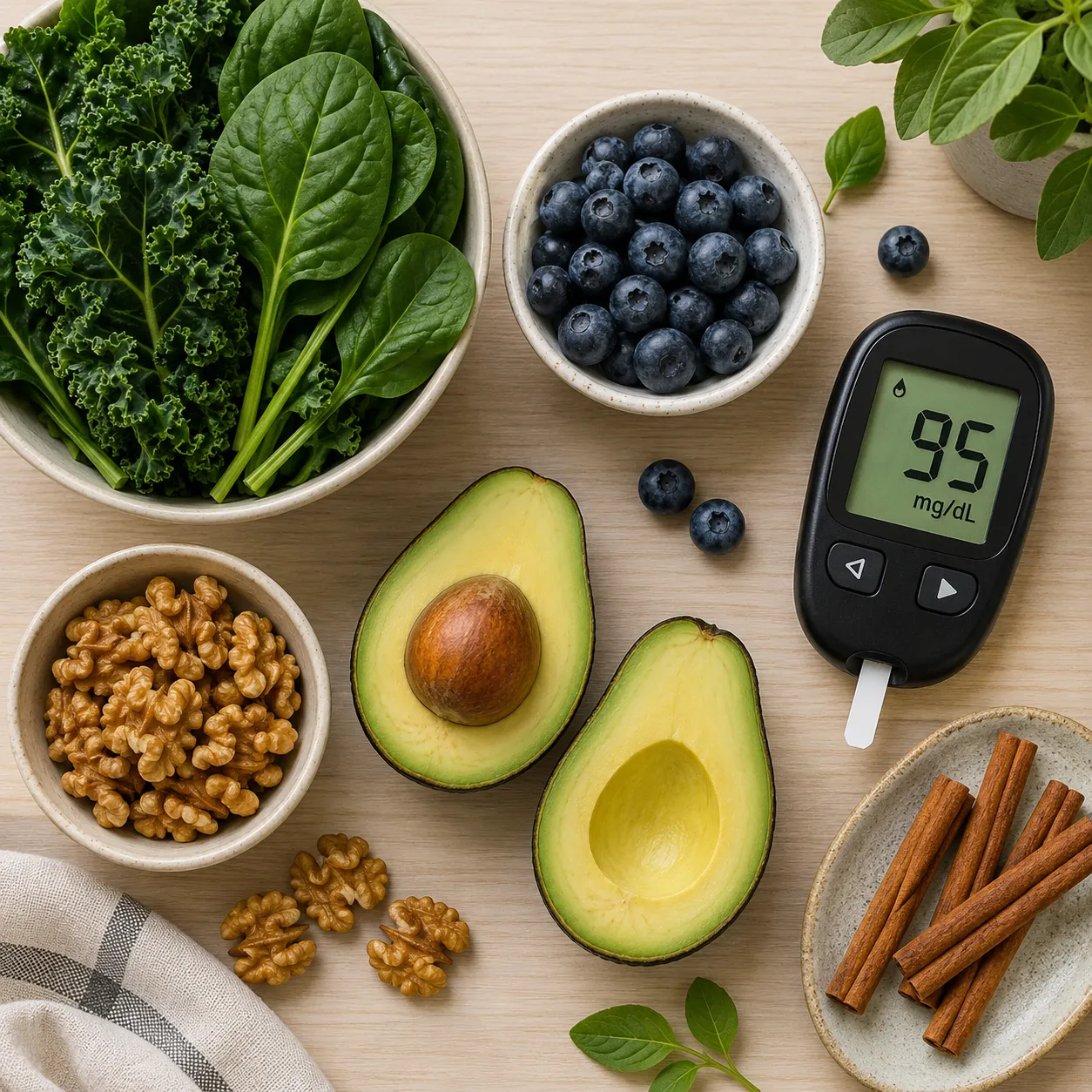
That sluggish, foggy feeling 30 minutes after lunch? It might be a blood sugar spike talking. Even without a diabetes diagnosis, how well your body regulates blood glucose has a profound impact on your energy, weight, heart health, and even cognitive function. A growing body of research confirms that keeping blood sugar stable is one of the most actionable levers for long-term wellbeing — and the good news is, you have more control over it than you might think.
What Is Blood Sugar and Why Does It Matter?
Blood glucose is the sugar circulating in your bloodstream, derived from the carbohydrates you eat. When blood sugar rises after a meal, the pancreas releases insulin to shuttle glucose into cells for energy — and levels return to a normal range. When this system works well, you feel energized and alert throughout the day.
Problems arise when the regulation breaks down. Insulin resistance — where cells gradually stop responding to insulin signals — keeps blood glucose persistently elevated. Left unaddressed, this can progress to type 2 diabetes, cardiovascular disease, and kidney damage. According to the World Health Organization, approximately 14% of adults globally now live with diabetes, and a far larger number are in the pre-diabetic range without knowing it.
| Blood Sugar Status | Fasting Glucose (mg/dL) | 2-Hour Post-Meal |
|---|---|---|
| Normal | 70 – 99 | Below 140 |
| Prediabetes | 100 – 125 | 140 – 199 |
| Diabetes (likely) | 126 or above | 200 or above |
※ Based on American Diabetes Association (ADA) criteria. Formal diagnosis must be confirmed by a healthcare professional.
"Blood sugar management isn't just for people with diabetes. Stable glucose is the foundation of sustained energy, sharp focus, and a longer health span." – Harvard Medical School Endocrinology Research Team
Surprising Foods That Spike Blood Sugar
Everyone knows candy and soda are problematic. But several foods we consider "healthy" can quietly drive blood sugar spikes just as effectively.
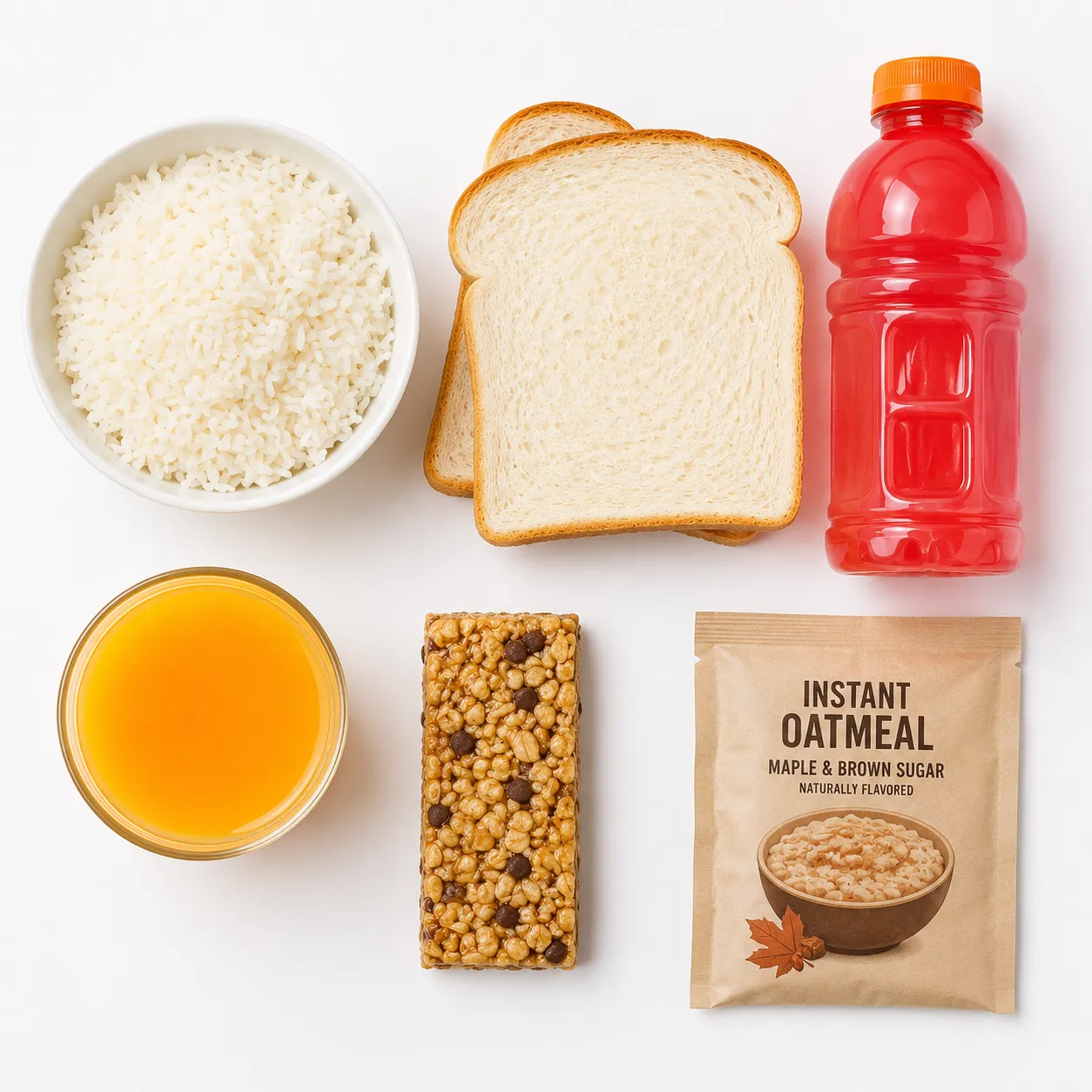
⚡ Unexpected Blood Sugar Culprits
- White rice, white bread, refined pasta: Refined grains have their fiber stripped away, converting rapidly to glucose. Compared to whole grains, they trigger a far steeper blood sugar rise from the same carbohydrate load.
- Fruit juice & smoothies: Eating whole fruit slows sugar absorption via fiber. Juicing removes this buffer entirely. A single 8 oz glass of orange juice contains roughly 21g of sugar with minimal fiber.
- Granola & breakfast cereals: Even those labeled "whole grain" frequently contain substantial added sugars and honey that undermine their health halo.
- Low-fat flavored yogurt: When fat is reduced, manufacturers typically compensate with sugar. Always check the nutrition label's "added sugars" row.
- Condiments (ketchup, sweet chili, teriyaki sauce): Small portions, but high sugar concentrations that add up quickly.
4 Dietary Strategies to Lower Blood Sugar
The most powerful tools for blood sugar management are often already on your plate. No magic superfoods required — just a few science-backed principles applied consistently.
① Choose Low-Glycemic Index (Low-GI) Foods
The Glycemic Index (GI) measures how quickly a food raises blood glucose on a scale of 0–100. Decades of research from the University of Sydney's GI Research Institute show that a predominantly low-GI diet (GI ≤55) reduces blood sugar variability and can meaningfully improve long-term HbA1c levels.
| Food | GI Score | Category |
|---|---|---|
| White rice | 72 | High GI |
| Brown rice | 50 | Low GI |
| Oatmeal (rolled oats) | 55 | Low GI |
| Sweet potato | 44 | Low GI |
| Legumes (lentils) | 21–29 | Low GI |
| White bread | 75 | High GI |
| Whole-wheat bread | 51 | Low GI |
② Change the Order You Eat: Vegetables First, Carbs Last
The same meal, eaten in a different order, produces a measurably different blood sugar response. A clinical study from Kyoto Prefectural University of Medicine found that eating fiber-rich vegetables first, followed by protein, then carbohydrates, reduced post-meal blood glucose peaks by up to 29% compared to eating carbohydrates first. Dietary fiber physically slows gastric emptying and buffers glucose absorption in the small intestine.
The Golden Eating Order
Salad/vegetables → soup → protein (meat, fish, tofu) → carbohydrates (rice, bread, pasta) → fruit (dessert). This sequence alone can meaningfully blunt post-meal glucose spikes.
③ Prioritize Dietary Fiber
Fiber acts as a physical "buffer" that slows glucose absorption in the gut. The American Diabetes Association recommends at least 25–38g of dietary fiber daily for both diabetic and pre-diabetic individuals. Oat beta-glucan, the pectin in legumes, and the soluble fiber in chia seeds are among the most clinically validated fiber types for blood sugar regulation.
④ Walk After Meals — The Simplest Hack of All
A brief 10–15 minute walk immediately after eating can meaningfully dampen blood sugar spikes. Research published by a team at the University of Otago showed that a 10-minute post-meal walk — especially after dinner — reduced blood glucose levels by approximately 22%. The mechanism is straightforward: contracting muscles absorb glucose directly, independent of insulin, providing a powerful metabolic sink right when you need it most.
Exercise Guide for Blood Sugar Management
Exercise is arguably the most underutilized tool for blood sugar control. During physical activity, muscles consume glucose directly as fuel — and the improvement in insulin sensitivity can persist for hours afterward.

Aerobic Exercise
Brisk walking, cycling, swimming — 150+ minutes per week of moderate-intensity cardio progressively lowers insulin resistance over time.
Strength Training
Greater muscle mass means more glucose storage capacity at rest. Compound lifts like squats and deadlifts 2–3x per week deliver significant metabolic benefits.
Interval Training (HIIT)
Short bursts of high intensity alternated with recovery capture both aerobic and strength benefits simultaneously, with studies showing outsized improvements in insulin sensitivity.
Yoga & Stretching
While direct glucose consumption is modest, these modalities reduce cortisol — the stress hormone that drives blood sugar up indirectly.
Exercise Safety Checklist
If you take diabetes medication, verify your blood sugar isn't too low before starting (below 70 mg/dL calls for a small carbohydrate snack first).
Dehydration can temporarily concentrate blood glucose. Drink water consistently throughout your session.
"I exercised, so I can eat more" is a common trap that erases the glucose benefits of your workout in minutes.
How Sleep & Stress Affect Blood Glucose
Blood sugar isn't just a food and exercise story. Even a meticulously crafted diet can be undermined by chronic sleep deprivation or unmanaged stress.
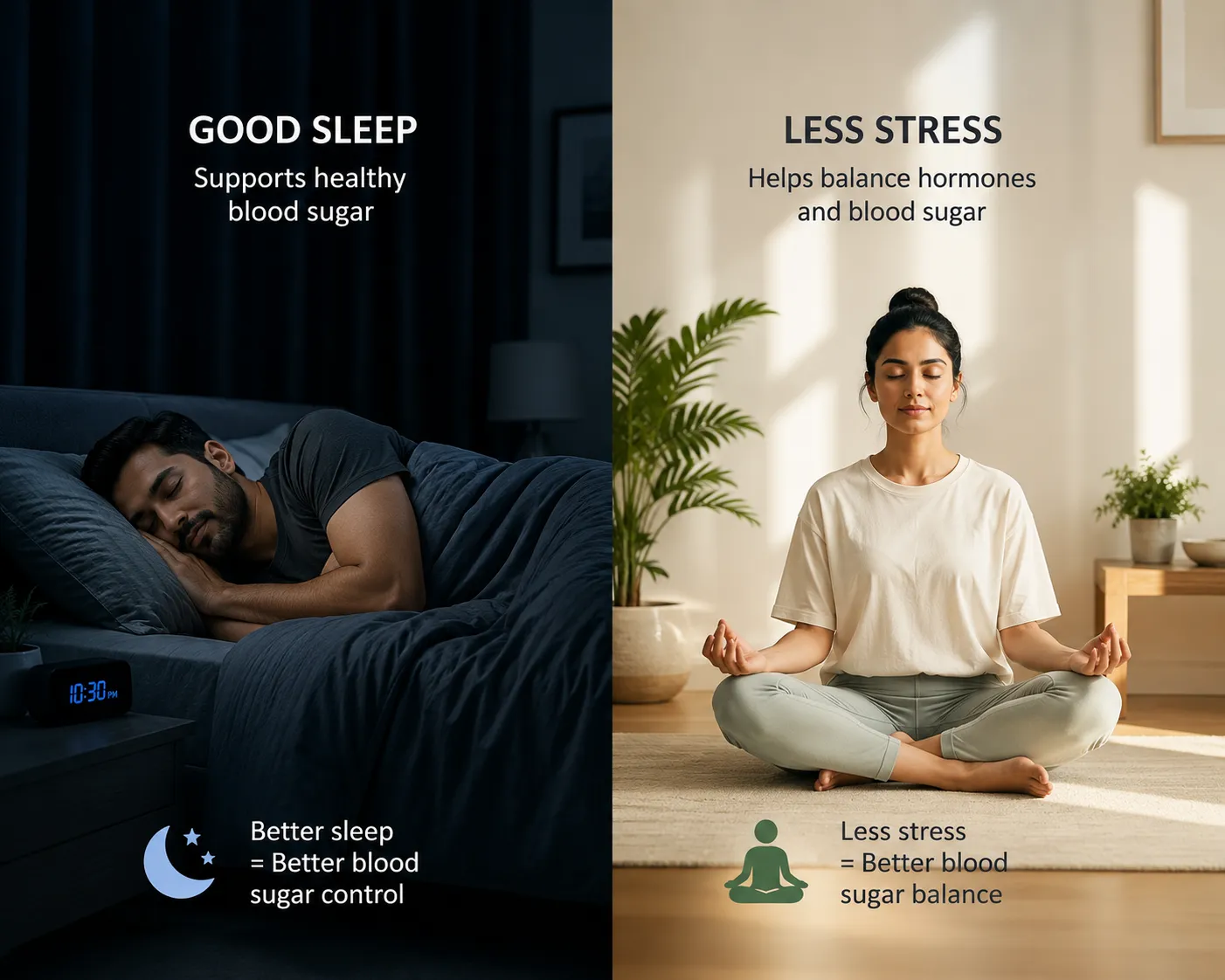
Sleep Deprivation and Insulin Sensitivity
Research from the University of Chicago found that even healthy adults showed a significant rise in insulin resistance after just a few nights of 4–5 hours of sleep. During sleep, growth hormone facilitates cellular repair and plays a key role in maintaining glucose homeostasis. Sleep loss also disrupts leptin and ghrelin — the appetite-regulating hormones — increasing cravings for high-carbohydrate, high-sugar foods the following day. Aim for 7–9 hours of consistent, quality sleep as a non-negotiable pillar of blood sugar management.
Stress Hormones and Blood Sugar
Under stress, the body releases cortisol and adrenaline, signaling the liver to dump glucose into the bloodstream — part of the ancient "fight or flight" response. In modern life, the chronic low-grade stress of work deadlines and relationship tension keeps this pathway persistently activated. According to the American Institute of Stress, chronic psychological stress is associated with roughly a 45% higher risk of developing type 2 diabetes. Mindfulness meditation, diaphragmatic breathing, and regular leisure activities aren't just feel-good extras — they're evidence-based tools for blood sugar regulation.
Top 8 Foods That Support Blood Sugar Balance
No single food "cures" high blood sugar — that kind of claim should be treated with healthy skepticism. But certain foods create a genuinely favorable metabolic environment when incorporated consistently into your diet.
- Oats (rolled/steel-cut)
- Cinnamon
- Avocado
- Nuts (almonds, walnuts)
- Broccoli & kale
- Blueberries
- Lentils & chickpeas
- Salmon & mackerel
The Evidence Behind Each Pick
- Oats: The soluble fiber beta-glucan slows glucose absorption and moderates the insulin response. A meta-analysis published in the British Journal of Nutrition found oat beta-glucan reduced post-meal blood sugar by an average of 8.1%.
- Cinnamon: The compound cinnamaldehyde has been shown in several small clinical trials to improve insulin signaling in cells. The magnitude of the effect remains under active study, but the direction is consistently positive.
- Avocado: Its monounsaturated fat slows the gastric transit of accompanying carbohydrates, blunting the glucose curve and extending satiety.
- Nuts: Rich in magnesium, which plays an essential role in insulin secretion and cellular receptor function. A major cohort study from the Harvard T.H. Chan School of Public Health found frequent nut consumption was associated with a meaningfully lower risk of type 2 diabetes.
- Blueberries: Anthocyanin pigments have been linked to improved insulin sensitivity in studies published in the British Journal of Clinical Nutrition.
- Leafy greens & broccoli: High fiber, low caloric density, and rich in magnesium and chromium — nutrients that support insulin function.
- Legumes: Lentils and chickpeas are among the lowest-GI foods available, with abundant protein and fiber that create a sustained, stable glucose curve.
- Fatty fish: Omega-3 fatty acids reduce systemic inflammation, which is a known contributor to insulin resistance.
7-Point Summary & Action Checklist
Here's everything we've covered, condensed into a practical checklist. Pick one to start with. You don't need to overhaul everything at once — small, consistent changes compound into meaningful long-term results.
7 Strategies to Lower Blood Sugar Naturally
- Switch to low-GI carbs: White rice → brown rice or oats; white bread → whole-wheat
- Change your eating order: Vegetables → protein → carbohydrates
- Hit 25g+ fiber daily: Legumes, vegetables, nuts, chia seeds, oats
- Walk 10 minutes after meals: Especially effective after dinner to curb glucose spikes
- 150 min/week aerobic + 2x strength training: Muscle is the body's primary glucose reservoir
- Protect 7–9 hours of sleep: Sleep quality directly determines the next day's glucose regulation capacity
- Manage stress proactively: Mindfulness, breathwork, hobbies — cortisol control is blood sugar control
Final Thoughts: Blood Sugar Management Is a Marathon
Managing blood sugar isn't about achieving a perfect score on any single day. It's the cumulative effect of daily choices — what you eat, how you move, how well you sleep, and how you respond to stress. The meal sequence you choose today, the walk you take after dinner tonight — they're quietly shaping your metabolic health a decade from now.
The strategies in this article are grounded in current evidence, but the appropriate approach varies by individual health status and medication. If you've been diagnosed with diabetes or are managing related conditions, please work with your healthcare team to tailor these principles to your situation. Here's to healthier blood sugar — one good decision at a time.