
"Drink eight glasses of water a day — about two liters." Most of us have heard this advice at some point. But did you know this decades-old rule isn't actually a one-size-fits-all law? Water makes up roughly 60% of the human body and plays a role in nearly every physiological process, from regulating body temperature to transporting nutrients, flushing out waste, and cushioning joints. Yet how much water you drink may matter less than how, and when, you drink it relative to your own body's needs. In this guide, we'll walk through how to calculate the right amount of water for your body, the most effective times to drink, and how water temperature and type can make a difference. 💧
How Much Water Should You Really Drink? The Truth Behind the "8 Glasses" Rule
The "eight glasses a day" guideline is often traced back to a 1945 U.S. nutrition recommendation. Interestingly, that original guidance also noted that much of this water comes from food — a detail that seems to have been lost over time, leaving only the "two liters" figure to spread on its own.
Looking across multiple studies published in international nutrition journals, the right amount of water for each person actually depends on body weight, activity level, climate, dietary habits (especially intake of fruits, vegetables, and soups), and overall health. Some analyses suggest that a diet rich in fruits, vegetables, and broths can provide roughly 20% of total daily fluid intake from food alone.
So how do you calculate the right amount for your body? One widely used method is to multiply your body weight (kg) by 30–35ml.
Daily water target (ml) = body weight (kg) × 30–35ml
Example: 65kg → roughly 1,950ml – 2,275ml
This figure is closer to your total fluid intake — including water from food — so the amount you need to drink as plain water may be somewhat lower. Here's a rough breakdown by body weight:
| Body weight | Typical daily target | Extra on hot or active days |
|---|---|---|
| 50kg | ~1,500 – 1,750ml | +300 – 500ml |
| 60kg | ~1,800 – 2,100ml | +400 – 600ml |
| 70kg | ~2,100 – 2,450ml | +400 – 700ml |
| 80kg | ~2,400 – 2,800ml | +500 – 800ml |
| 90kg | ~2,700 – 3,150ml | +500 – 900ml |
* These figures are general reference ranges for healthy adults. If you have kidney disease, heart failure, are pregnant, or have another specific condition, please consult your doctor before applying them.
It's also worth noting that caffeinated drinks like coffee and tea, as well as alcohol, aren't as efficient at hydrating the body, so they shouldn't be counted toward your water intake in the same way. In fact, the more of these you drink, the more plain water you may want to add. ☕
"By the time you feel thirsty, your body may already be mildly dehydrated. Drinking water regularly, before thirst sets in, is the best approach to staying hydrated." – A family medicine physician at a university hospital
When Should You Drink Water? A Time-of-Day Hydration Strategy
How much water you drink matters, but so does when you drink it. Breaking the day into different moments reveals that water plays a slightly different role each time.
🌅 Right After Waking Up
After 6–8 hours of fluid loss through breathing and sweat overnight, a glass of lukewarm or warm water (about 200ml) can gently wake up your digestive system and help kickstart your metabolism for the day.
🍽️ 30 Minutes Before a Meal
Drinking too much water right before or during a meal may dilute stomach acid and affect digestion, according to some experts. Having a glass about 30 minutes before eating can ease the load on your digestive system while also helping you avoid overeating.
🏃 Before, During, and After Exercise
Aim for about 250ml roughly 20–30 minutes before exercising, then 100–150ml every 15–20 minutes during activity. After exercise, replace however much fluid you lost through sweat to support recovery.
🌙 Before Bed
Drinking too much water before bed can disrupt sleep with nighttime trips to the bathroom. It's best to cut back on fluids 1–2 hours before bedtime, and if you're truly thirsty, just take a small sip.

Key Takeaway
Rather than gulping down your entire daily water target in one go, spreading it out in smaller amounts throughout your waking hours puts less strain on your kidneys and helps maintain a more stable fluid balance. The key principle is "small and often" rather than "all at once."
What Kind of Water, and What Temperature? Lukewarm vs. Cold, and Types of Water
Not all water is created equal — temperature and type can change how your body responds.
🌡️ Lukewarm (Around 30–40°C) vs. Cold Water
Lukewarm water is closer to body temperature, so it's gentler on the stomach and may support circulation and digestion more smoothly. If you have an empty stomach or sensitive digestion, lukewarm water may feel more comfortable. Cold water, on the other hand, can be effective for quickly cooling down after exercise, but if you have a sensitive stomach or experience menstrual cramps, drinking too much cold water at once may cause discomfort.
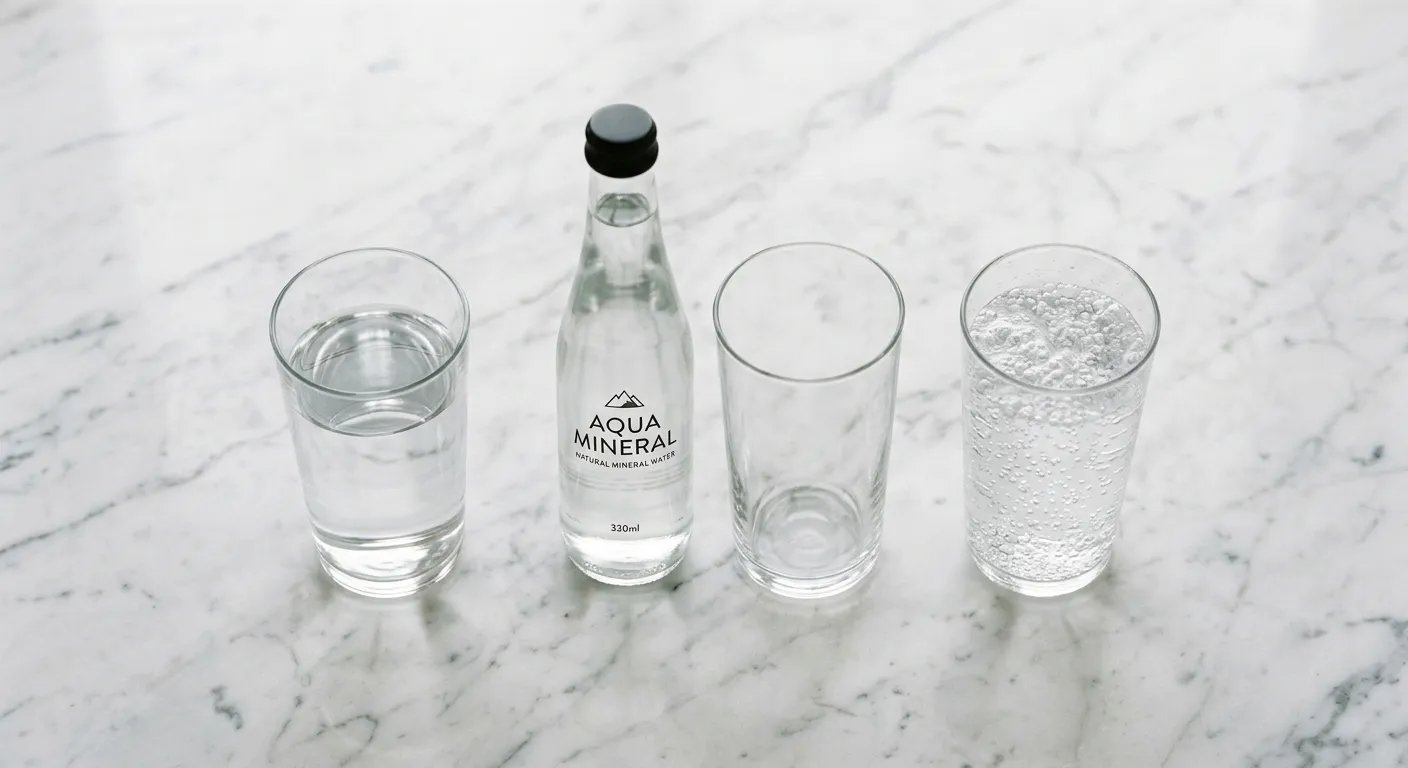
💧 Types of Water at a Glance
| Type | Characteristics | Notes |
|---|---|---|
| Filtered water | Removes impurities and chlorine taste from tap water | Generally low in minerals |
| Mineral water | Naturally contains minerals like calcium and magnesium | Mineral content varies widely by brand |
| Sparkling water | Contains dissolved CO2 for a refreshing, filling sensation | Use caution if you experience acid reflux |
| Distilled water | Pure water with virtually all minerals removed | Not recommended as a long-term primary water source |
Most experts agree that, without a specific health reason, the type of water you drink generally doesn't make a major difference. That said, people with kidney disease are often advised to choose filtered water over mineral-rich bottled water, so it's worth discussing your situation with your doctor based on your medications and health status.
Conclusion: Balance Matters — Why Overhydration Can Be Risky Too
Too little water can be a problem, but so can too much. Drinking an extremely large amount of water in a short period can rapidly dilute sodium levels in the blood, a condition known as hyponatremia, sometimes referred to as "water intoxication." Cases have been reported among athletes who drank excessive amounts of water during long endurance events such as marathons.
⚠️ What Is Hyponatremia (Water Intoxication)?
This occurs when someone drinks far more water than their body can process in a short time, causing sodium levels in the blood to become abnormally diluted. It's uncommon, but the risk can increase during long endurance activities like marathons, when people drink large amounts of water regardless of thirst.
🚩 Signs of Dehydration
- Darker-than-usual urine
- Dry mouth and lips
- Headache, fatigue, dizziness
🚩 Signs of Overhydration
- Unexplained nausea or headache
- Confusion or a "foggy" feeling
- Sudden swelling in hands, feet, or face (rare)
While these extreme cases are uncommon, it's worth remembering that "more is always better" isn't quite true when it comes to water either.
Ultimately, healthy hydration is less about hitting an exact number and more about building a consistent pattern: set a rough daily target based on your weight and activity level, drink regularly before thirst kicks in, and time your intake around meals, workouts, and bedtime. The next time you reach for a glass of water, why not pause for a moment and ask yourself, "Is this a good time to drink?" 🚰