Your body contains two kinds of fire. One flares up rapidly to heal a wound and then extinguishes itself. The other burns low and slow for months or years, quietly damaging tissue from within. The first is acute inflammation — a vital survival mechanism. The second is chronic inflammation, and according to a landmark cohort study published in the British Medical Journal, it is estimated to be a contributing factor in nearly half of all deaths worldwide. This guide covers everything you need to know.
This article is intended for general health and lifestyle information purposes only. It is not a substitute for professional medical diagnosis, advice, or treatment. If you have a specific medical condition or symptoms, please consult a qualified healthcare professional.
What Is Inflammation? Acute vs. Chronic Compared
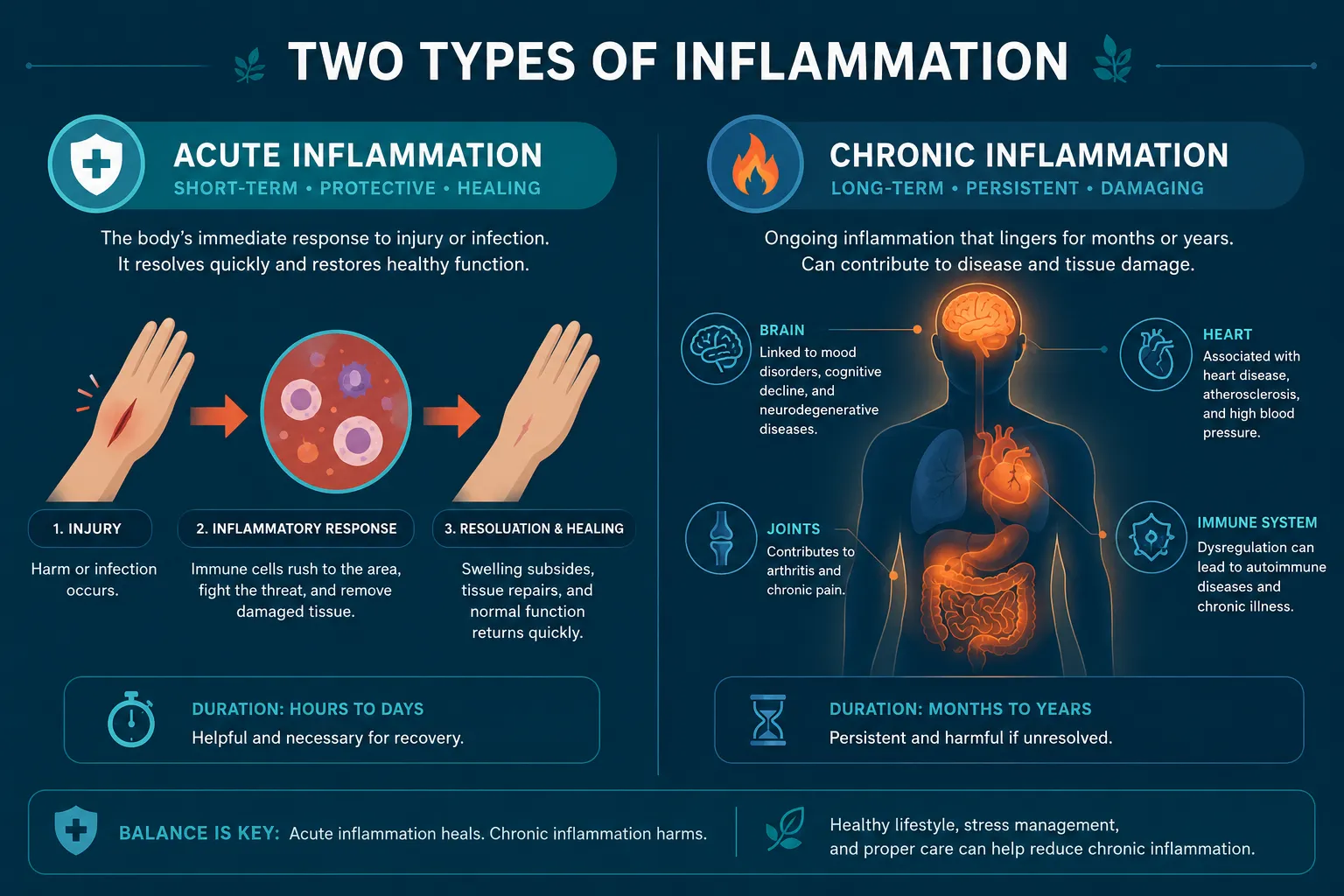
Inflammation is the immune system's frontline defense response. When you sprain your ankle, cut your finger, or catch a cold, the affected area becomes red, swollen, warm, and painful. That's acute inflammation doing exactly what it should — rushing white blood cells to the site, clearing debris, and jump-starting tissue repair. It's a tightly orchestrated biological event that, under normal circumstances, resolves within days.
Chronic inflammation, by contrast, is the body stuck in a low-grade emergency that never quite ends. The National Institutes of Health (NIH) describes it as "a prolonged inflammatory response that involves a progressive shift in the type of cells present at the site of inflammation." Over time, this persistent immune activation damages healthy tissues and has been linked to an alarming range of serious diseases.
| Feature | Acute Inflammation | Chronic Inflammation |
|---|---|---|
| Duration | Hours to days | Months to decades |
| Primary Triggers | Injury, infection, burns, allergens | Poor diet, chronic stress, obesity, smoking |
| Symptoms | Redness, swelling, heat, pain (obvious) | Fatigue, weight gain, joint aches (vague or absent) |
| Purpose | Promote healing and eliminate pathogens | Ongoing response to persistent irritants (counterproductive) |
| Key Immune Cells | Neutrophils | Macrophages, Lymphocytes |
| Outcome | Resolution and tissue repair | Cumulative tissue damage; increased disease risk |
| Associated Diseases | Cellulitis, acute tonsillitis | Cardiovascular disease, type 2 diabetes, cancer, Alzheimer's |
Research teams at the NIH have demonstrated that chronic inflammation generates reactive oxygen species (ROS) that cause DNA damage, promoting cell mutations — one of the recognized pathways to cancer development. The American Heart Association (AHA) similarly notes that elevated high-sensitivity C-reactive protein (hs-CRP) levels are a meaningful predictor of cardiovascular events including heart attack and stroke.
6 Key Causes of Chronic Inflammation
Chronic inflammation doesn't develop overnight. It builds over years through the compounding effect of lifestyle choices and environmental exposures. A comprehensive review published in Nature Medicine identified the following as the most significant contributors to chronic inflammatory disease in modern populations.
-
Ultra-Processed Foods & Unbalanced Diet Refined carbohydrates, trans fats, and excessive omega-6 fatty acids drive the production of key pro-inflammatory cytokines including TNF-α and interleukin-6 (IL-6). Research has shown that individuals who derive more than 400 calories daily from ultra-processed foods display significantly higher hs-CRP levels compared to those who don't.
-
Chronic Psychological Stress Cortisol is anti-inflammatory in the short term, but chronic overexposure causes immune cells to become cortisol-resistant, paradoxically amplifying inflammatory signaling. A landmark study from Carnegie Mellon University found that people experiencing chronic stress had markedly stronger systemic inflammatory responses when exposed to a cold virus than their low-stress counterparts.
-
Sleep Deprivation & Irregular Sleep Sleeping fewer than six hours per night activates the NF-κB (nuclear factor kappa-B) signaling pathway, raising IL-6 and CRP levels. Chronic sleep deprivation combined with obstructive sleep apnea creates a particularly potent inflammatory state that simultaneously elevates risks for atherosclerosis and insulin resistance.
-
Sedentary Behavior & Physical Inactivity Prolonged sitting accumulates visceral fat, which is metabolically active tissue that continuously secretes pro-inflammatory adipokines. Conversely, working muscles during aerobic exercise release anti-inflammatory myokines — including a form of IL-6 that actually suppresses systemic inflammation — creating a compelling case for regular movement.
-
Gut Dysbiosis (Microbiome Imbalance) When beneficial gut bacteria decline, intestinal barrier integrity weakens, allowing bacterial components such as lipopolysaccharides (LPS) to enter the bloodstream — a condition often called "leaky gut." This triggers a persistent, low-grade systemic immune response. A study in the journal Gut confirmed a significant inverse correlation between gut microbiome diversity and circulating CRP levels.
-
Smoking & Excessive Alcohol The thousands of chemical compounds in cigarette smoke generate oxidative stress in the lungs and vasculature, stimulating IL-1β and TNF-α production. Excessive alcohol disrupts gut microbial balance and impairs the liver's inflammatory regulatory function. Consuming more than two standard drinks per day is consistently associated with elevated inflammatory markers across multiple large population studies.
Key Takeaway
The most alarming feature of chronic inflammation is its silence. By the time conditions like heart disease or type 2 diabetes are diagnosed, years of inflammatory damage have often already accumulated. Asking your doctor to include hs-CRP, fasting glucose, HbA1c, and lipid panels in your annual check-up gives you an early-warning system worth having.
7 Research-Backed Anti-Inflammatory Foods
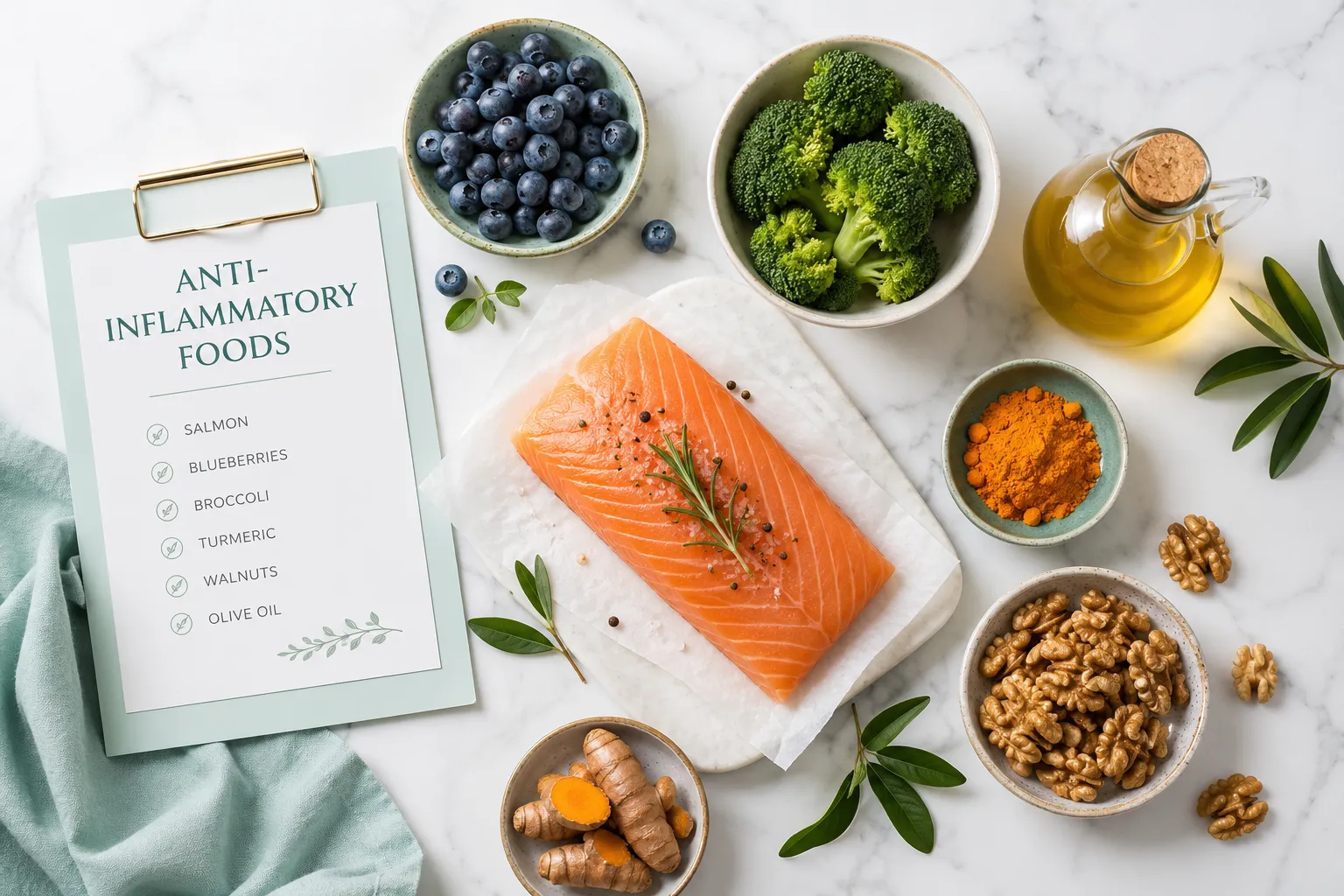
Dietary change is one of the most powerful and sustainable anti-inflammatory strategies available. The reason the Mediterranean diet has dominated preventive cardiology recommendations for decades is simple: the majority of its core components have strong anti-inflammatory properties, backed by decades of clinical research. Here are seven of the most rigorously studied.
"Let food be thy medicine and medicine be thy food." – Hippocrates
6 Foods That Fan the Flames
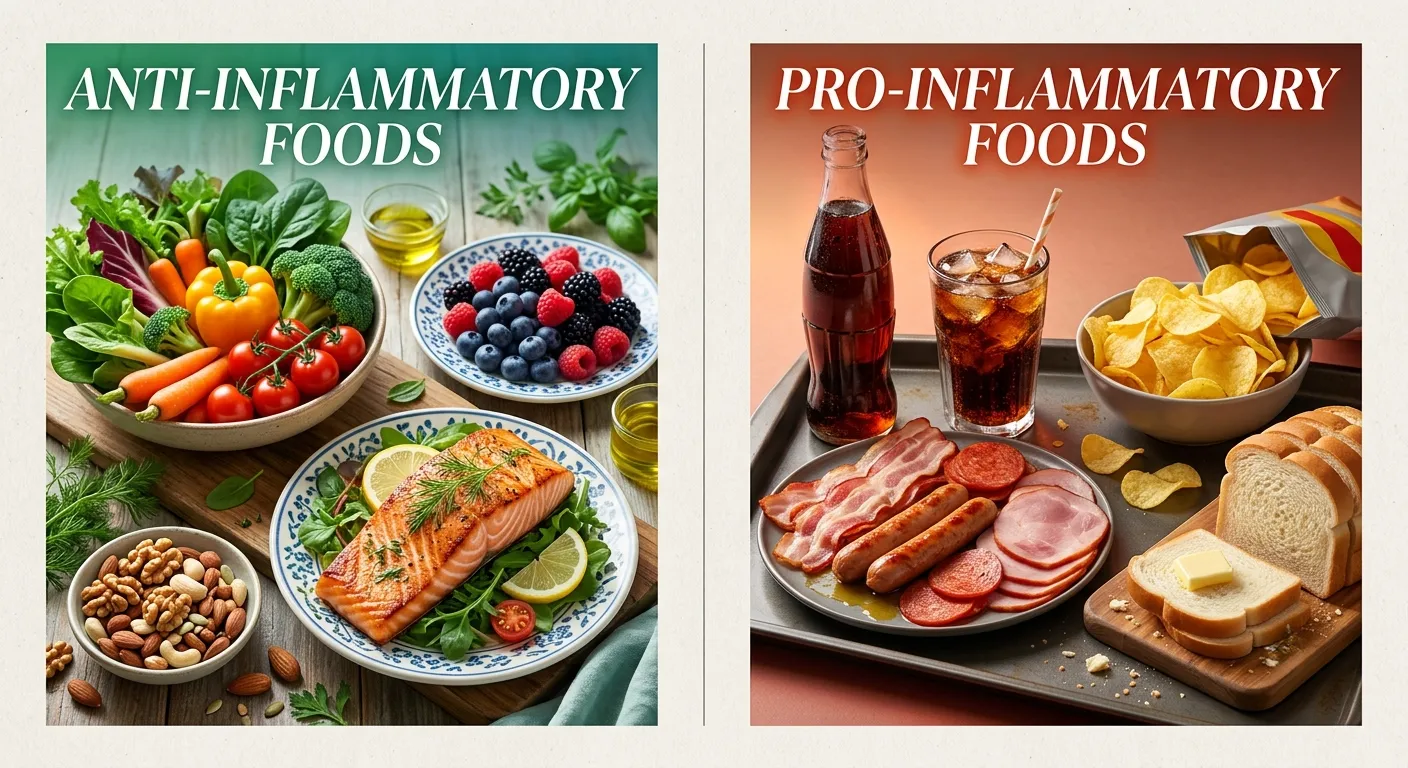
What you choose not to eat matters just as much as what you eat. A large-scale meta-analysis in the British Journal of Nutrition consistently identified the following food categories as reliably elevating circulating inflammatory biomarkers.
Lifestyle Strategies: Your Daily Anti-Inflammatory Routine
Dietary changes are most effective when paired with broader lifestyle improvements. Multiple randomized controlled trials confirm that the following five habits deliver measurable reductions in inflammatory markers — often within weeks to months of consistent practice.
Wrap-Up: Your Action Checklist
Chronic inflammation is a quiet adversary, but it is one you have meaningful power to influence. The encouraging news comes from a landmark long-term study in The Lancet: individuals who practiced all four major healthy lifestyle behaviors — a nutritious diet, regular physical activity, non-smoking, and moderate alcohol consumption — showed 60–70% lower mortality from chronic inflammation-related diseases compared to those who practiced none. You don't need perfection. You need consistency. Start with one habit today.
Anti-Inflammatory Daily Routine — Action Checklist
- ✓ Eat fatty fish (salmon, mackerel, sardines) at least 3 times per week
- ✓ Add a daily handful of berries, leafy greens, and walnuts to your meals
- ✓ Season food with turmeric + black pepper as a daily anti-inflammatory boost
- ✓ Replace processed snacks and sugary drinks with water, green tea, or black coffee
- ✓ Exercise at moderate intensity for at least 30 minutes, 5 days per week
- ✓ Fix your sleep schedule and protect 7–9 hours of quality sleep nightly
- ✓ Build a 10-minute daily breathing or mindfulness practice
- ✓ Diversify your gut microbiome with varied plants and fermented foods
- ✓ Reduce or eliminate smoking and alcohol (even one change creates real impact)
- ✓ Track your inflammation status annually: hs-CRP, fasting glucose, and lipid panel
If you're experiencing persistent symptoms or managing an underlying condition, please don't rely solely on dietary changes or self-diagnosis. This article provides general information only — individual needs vary, and a qualified healthcare provider is always your most valuable resource for personalized guidance.