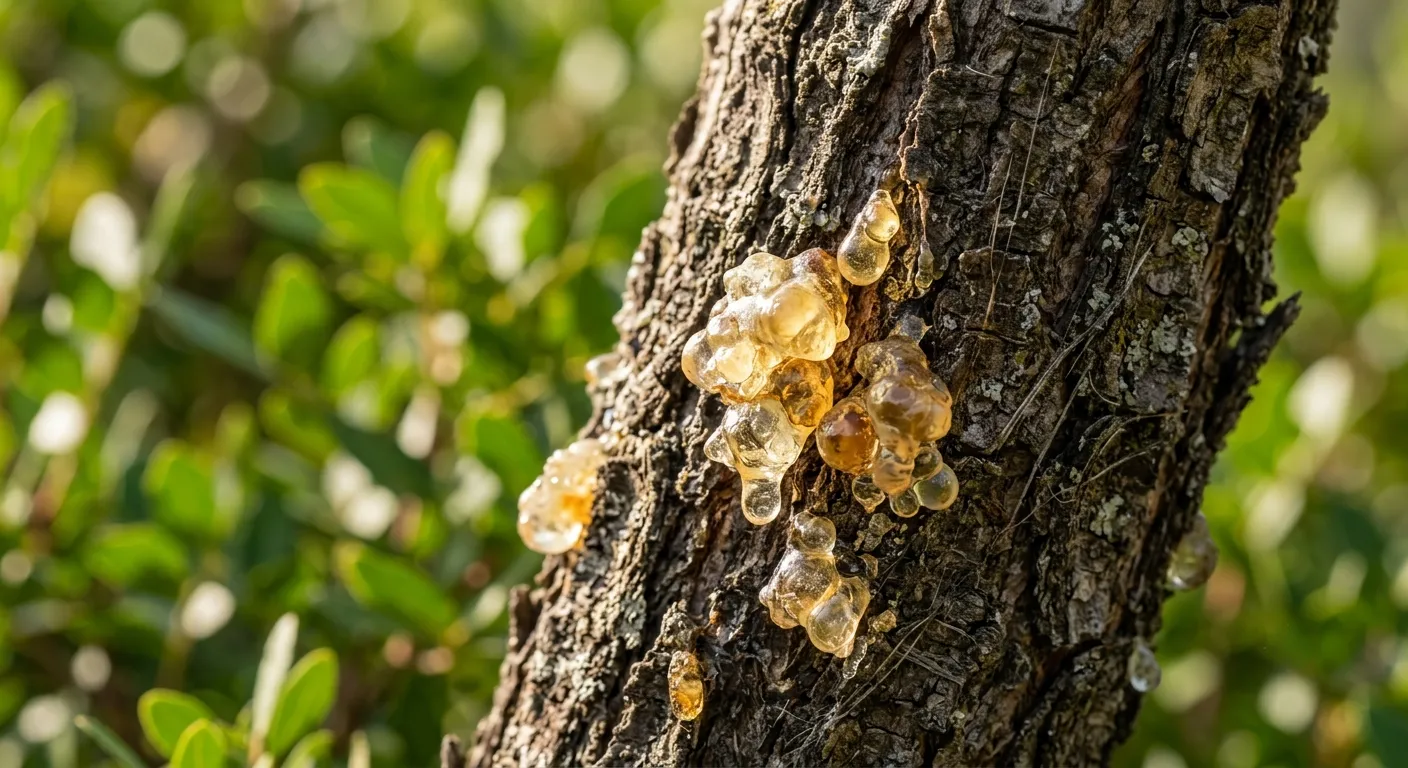
What if a natural resin you could chew like gum was capable of suppressing stomach ulcers, protecting your gums, and even helping regulate blood sugar? That is exactly the promise of mastic — a crystallized tree resin from the Greek island of Chios that Hippocrates prescribed as medicine and that modern laboratories are now taking very seriously indeed.
This article is intended to provide general health and lifestyle information only. It is not a substitute for professional medical diagnosis, advice, or treatment. If you have a specific medical condition or symptoms, please consult a qualified healthcare professional before making any changes to your health regimen. Individual results may vary, and dietary supplements are not intended to treat or cure disease.
What Is Mastic? — A 3,000-Year-Old Mediterranean Resin
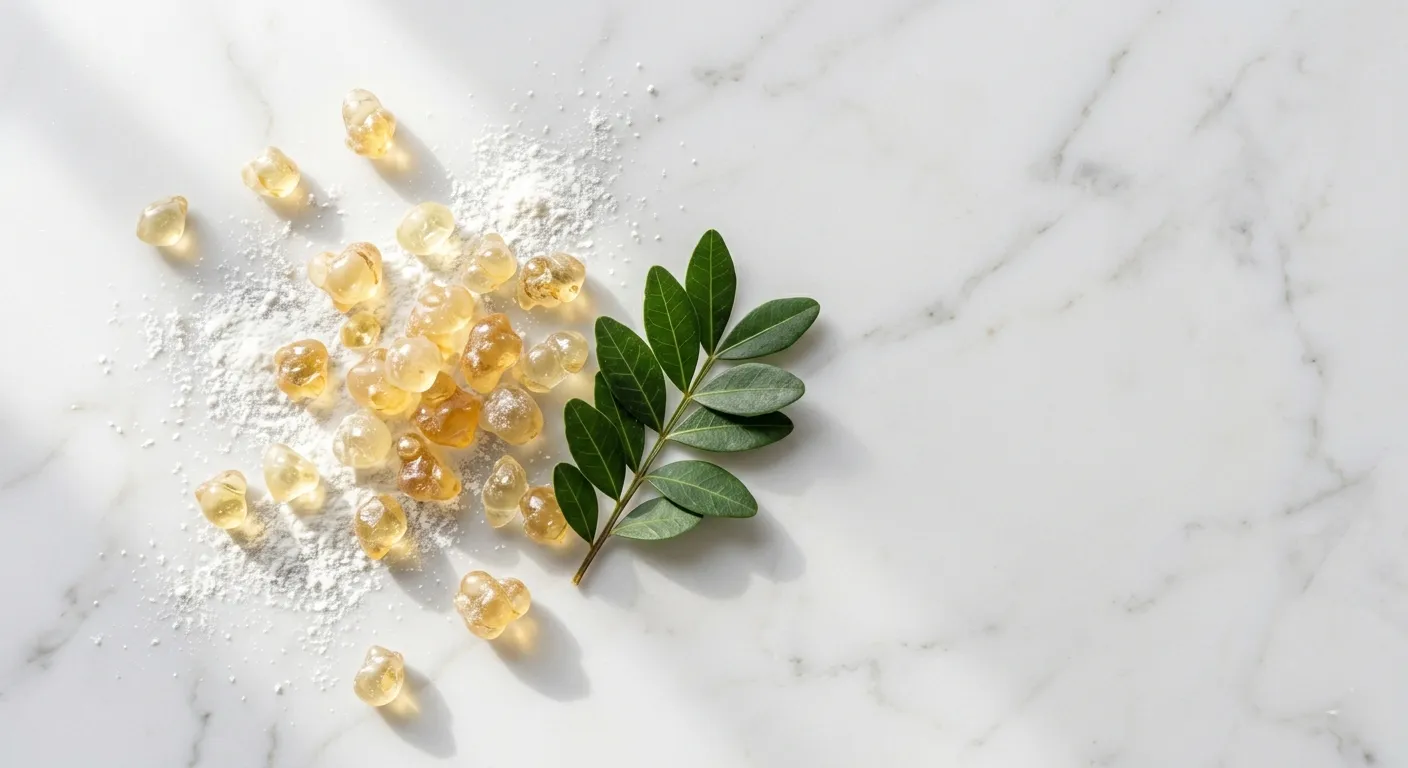
Mastic is a natural resin that seeps from the bark of Pistacia lentiscus, an evergreen shrub native to the Mediterranean basin. When exposed to air, the sap solidifies into translucent, pale-yellow crystals — earning the poetic nickname "Greek tears." The resin has a distinctive fresh pine-and-cedar aroma with a faint sweetness that evolves into a pleasant herbal note when chewed.
While the tree grows across much of the Mediterranean, high-quality resin in harvestable quantities is produced almost exclusively in the southern villages of Chios island, Greece. Local farmers follow a centuries-old method: whitening the ground around the tree with limestone dust, carefully scoring the bark, and gathering the dripped crystals by hand. This painstaking craft earned Chios mastic a Protected Designation of Origin (PDO) from the European Union in 2014, placing it alongside Champagne and Parmigiano-Reggiano as a geographically protected product.
The historical record is remarkable. The ancient physician Hippocrates documented mastic's use for digestive ailments and oral care. Roman physicians prescribed it for liver conditions. Ottoman sultans reportedly prized it as an exclusive chewing gum. Today, that same crystalline resin is being studied in peer-reviewed journals — and holding up surprisingly well under scientific scrutiny.
"Nature rarely delivers its healing compounds in obvious packaging. Mastic is a case study in how ancient observation can anticipate modern pharmacology." — Commentary, British Journal of Nutrition
Key Active Compounds in Mastic
Mastic's bioactivity stems from a complex mixture of terpenoids and polyphenols. Researchers have identified dozens of distinct compounds; the most pharmacologically significant ones are summarized below.
| Compound | Class | Primary Pharmacological Activity |
|---|---|---|
| α-Pinene | Monoterpene | Antimicrobial, anti-inflammatory, bronchodilation |
| Isomasticadienonic acid | Triterpenic acid | Anti-ulcer, direct antibacterial activity vs. H. pylori |
| Oleanolic acid | Triterpenic acid | Hepatoprotective, antioxidant, anti-inflammatory |
| β-Caryophyllene | Sesquiterpene | Anti-inflammatory via CB2 receptor, analgesic |
| Poly-β-myrcene | Polyterpene polymer | Mastic's unique elastic texture; antimicrobial |
| Lupeol | Triterpene | Anti-inflammatory; under investigation for anticancer potential |
Key Insight
Mastic is not a single compound but a synergistic matrix of dozens of terpenoids and polyphenols. This complexity is exactly why researchers believe it outperforms isolated extracts — and why you cannot simply replicate its effects with a handful of individual supplements.
6 Scientifically Investigated Health Benefits
The following benefits are drawn from peer-reviewed clinical and preclinical studies. The strength of the evidence varies, so each section notes the current state of the research rather than overstating conclusions.
Digestive Health
H. pylori suppression and ulcer relief confirmed in a landmark 1998 NEJM study. Most extensively researched benefit.
Oral Health
Inhibits S. mutans (cavity bacteria) and reduces plaque and gingival indices — comparable to xylitol gum.
Lipids & Blood Sugar
LDL cholesterol and fasting glucose reductions observed in an 8-week clinical trial. Promising but needs larger studies.
Anti-Inflammatory
NF-κB and TNF-α inhibition demonstrated in cellular and animal models. Mechanism well understood.
Liver Protection
Oleanolic acid reduces hepatic oxidative stress and ALT/AST levels in preclinical models. Human data limited.
Antioxidant & Skin
Neutralizes reactive oxygen species; reduces UV-B damage in skin research. Widely used in premium skincare already.
1. Digestive Health — Ulcer Relief and H. pylori Suppression
The most robust clinical evidence for mastic concerns the digestive tract. A 1998 study published in the New England Journal of Medicine reported that just 1 g of pure mastic per day for two weeks significantly alleviated duodenal ulcer symptoms compared to placebo. The proposed mechanism centers on isomasticadienonic acid, which exerts direct bactericidal activity against Helicobacter pylori — the bacterium responsible for the majority of peptic ulcers worldwide. Subsequent research has largely corroborated these findings. That said, current evidence does not support mastic as a standalone H. pylori eradication therapy in place of antibiotic regimens; its best-evidenced role is as a complementary intervention alongside conventional treatment.
2. Oral Health — Antibacterial Action for Gums and Teeth
The ancient habit of chewing mastic gum turns out to have a genuine scientific basis. Clinical research from the University of Athens found that participants who chewed mastic gum regularly showed statistically significant improvements in plaque index and gingival index compared to controls. Growth of Streptococcus mutans, the leading contributor to dental cavities, was markedly inhibited. Independent analyses have suggested the antibacterial efficacy of mastic is comparable to that of xylitol gum. Of course, mastic cannot replace brushing and flossing — but as an adjunct to oral hygiene, the evidence is reasonably encouraging.
3. Blood Lipids and Blood Sugar Regulation
A clinical study from the University of Ioannina, published in the Journal of Ethnopharmacology, found that participants taking mastic powder supplements for eight weeks experienced statistically significant reductions in LDL cholesterol and fasting blood glucose. The research team attributed this to triterpenic compounds in mastic that may inhibit enzymes involved in lipid metabolism. These findings are intriguing, but it is important to note that the study population was small and that large-scale randomized controlled trials have not yet been completed. Consider this promising but preliminary.
4. Anti-Inflammatory Effects — Targeting Chronic Inflammation
Chronic low-grade inflammation underpins cardiovascular disease, type 2 diabetes, and a range of autoimmune conditions. In vitro studies published in the Journal of Inflammation demonstrated that mastic extract inhibits NF-κB signaling — a master switch of the inflammatory cascade — and substantially reduces secretion of pro-inflammatory cytokines including TNF-α and IL-6. The sesquiterpene β-caryophyllene contributes additional anti-inflammatory action by binding the cannabinoid receptor CB2, which also modulates pain and swelling. The cellular and animal evidence here is solid; human clinical trials with inflammatory endpoints are an active area of research.
5. Liver Protection
The hepatoprotective potential of mastic — largely driven by its oleanolic acid content — has been explored in several preclinical studies. In non-alcoholic fatty liver disease (NAFLD) animal models, mastic oil supplementation reduced hepatic fat accumulation and lowered AST and ALT levels, both markers of liver cell damage. Mechanistically, mastic appears to reduce oxidative stress within hepatocytes and suppress cell death pathways. However, human clinical data in this domain remain limited, so drawing firm conclusions about mastic's role in liver health management would be premature at this stage.
6. Antioxidant Properties and Skin Health
The polyphenol and terpenoid profile of mastic gives it notable free-radical scavenging capacity. Dermatological research has shown that mastic extract can mitigate UV-B-induced oxidative skin damage and may stimulate collagen synthesis — outcomes relevant to both photoprotection and anti-aging. The cosmetics industry has taken note: premium European and American skincare brands have incorporated mastic oil as an anti-aging active for well over a decade. The evidence base is stronger for topical application than for oral consumption specifically targeting skin outcomes.
How to Take Mastic: Forms and Dosage
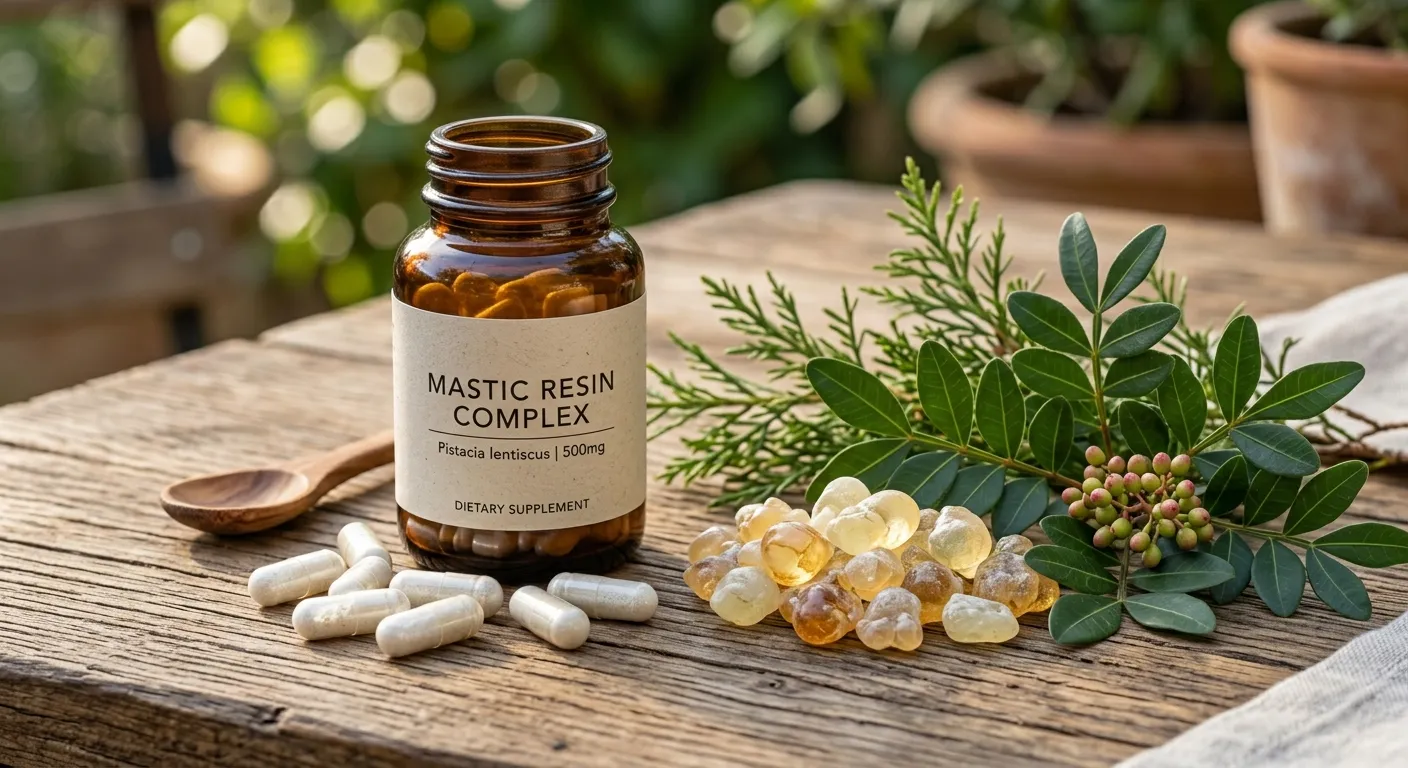
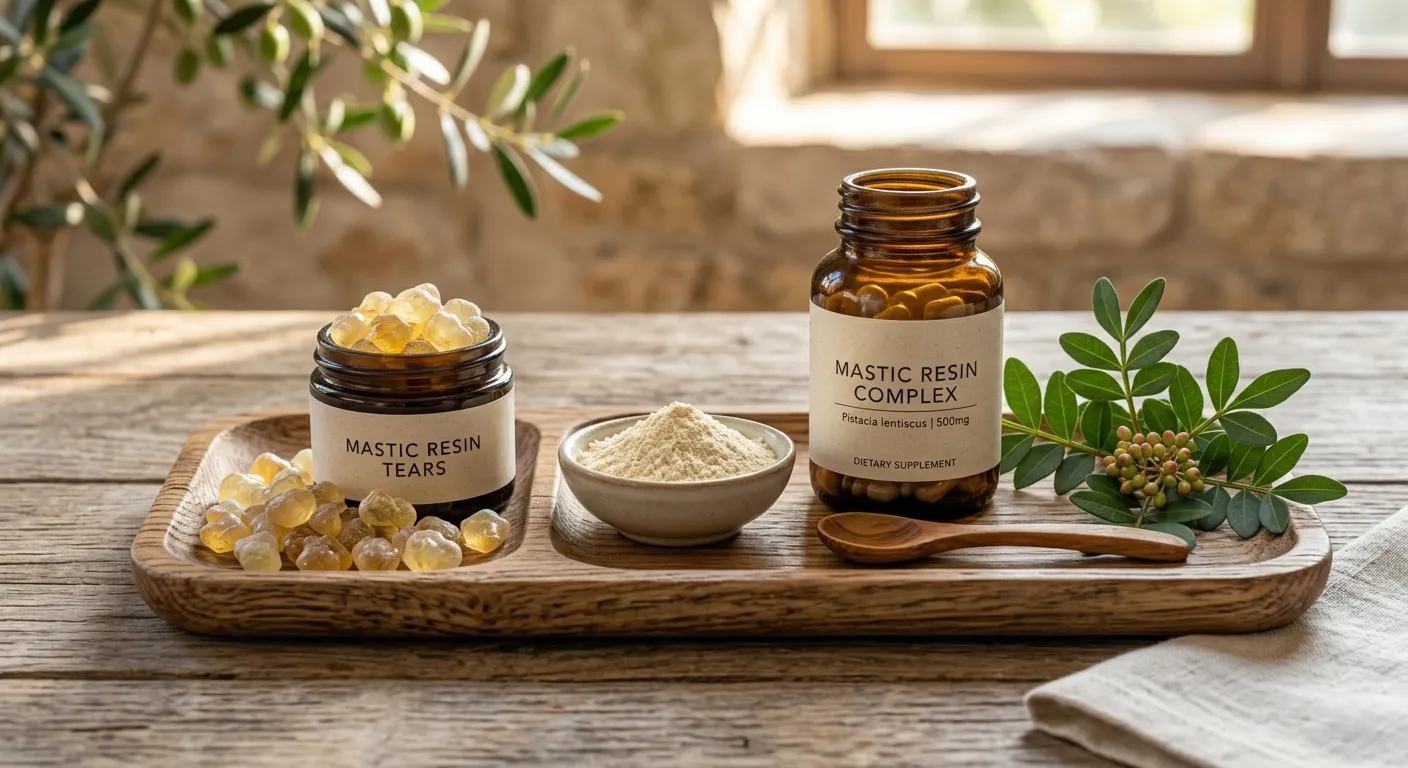
The right form of mastic depends on what you are hoping to achieve. Chewing the raw resin is ideal for oral health, while capsules and powders are better suited for digestive and systemic benefits. The table below summarizes the main options.
| Form | How to Use | Best For |
|---|---|---|
| Raw resin crystals | Chew like gum for 5–10 min, then discard | Oral hygiene, fresh breath |
| Capsules / powder | 1–3 g per day with or before meals | Digestive health, lipids, blood sugar |
| Mastic oil | Topical: skin massage Oral: consult a physician first |
Skin care, localized antibacterial use |
| Culinary powder | Small amounts in desserts, bread, beverages | Everyday dietary incorporation |
-
Choosing a quality product
Look for PDO certification and "Chios Mastic" labeling. Authentic mastic has a fresh pine-resinous scent and turns white and elastic when chewed — a telltale sign of genuine crystals.
-
Duration of use
Most clinical trials have run for 4 to 12 weeks. Long-term safety data beyond three months are limited, so consulting a healthcare provider before prolonged supplementation is advisable.
-
Dosage range
Clinical studies have typically used 500 mg to 2 g per day. No official recommended daily intake has been established, so follow the product label instructions and stay within the indicated range.
Precautions and Side Effects
Mastic has a long track record of safe use as a food and flavoring agent. Nonetheless, certain individuals should exercise caution or seek medical advice before supplementing.
- Pregnancy and breastfeeding: Safety has not been adequately established. Consult your obstetrician before use.
- Tree nut and plant allergies: Cross-reactivity with pistachio and other Anacardiaceae family plants is possible. Discontinue and seek advice if any allergic reaction occurs.
- Concurrent medications: If you take blood-glucose-lowering drugs or anticoagulants such as warfarin, discuss potential interactions with your physician before starting mastic.
- Reported side effects: A minority of users have reported headache, bloating, or mild nausea. These reactions tend to be transient and mild.
- Avoid exceeding the recommended dose: A formal upper tolerable intake level has not been established. Do not exceed the dosage indicated on the product you are using.
Conclusion: Is Mastic Worth Adding to Your Health Routine?
Mastic is not a relic of folk medicine — it is an increasingly well-studied natural compound with a growing body of peer-reviewed evidence behind it. The case for digestive support and oral hygiene is the most clinically established, and for these purposes, mastic is a reasonable, evidence-informed addition to a health-conscious routine. The emerging findings on cholesterol, blood sugar, and inflammation are genuinely interesting, though not yet definitive enough to stand alone as therapeutic claims.
Approached sensibly — as a complement to a balanced diet, regular physical activity, and routine medical checkups rather than a replacement for any of them — mastic earns its place on the shelf of thoughtfully chosen health supplements. Just resist the temptation to regard any single natural ingredient as a cure-all. The evidence, at this stage, does not support that framing for mastic any more than it does for anything else.
- Mastic is a natural resin from Pistacia lentiscus trees, produced almost exclusively on Chios island, Greece, under EU PDO protection.
- H. pylori suppression and peptic ulcer relief have the strongest clinical evidence base, with a landmark NEJM study supporting the benefit.
- Oral health, cholesterol and blood sugar regulation, anti-inflammatory action, liver protection, and antioxidant/skin benefits are all under active investigation.
- Typical supplemental doses range from 500 mg to 2 g per day in capsule or powder form; raw crystals can also be chewed for oral benefits.
- Those who are pregnant, have known allergies to related plants, or take certain medications should consult a physician first.