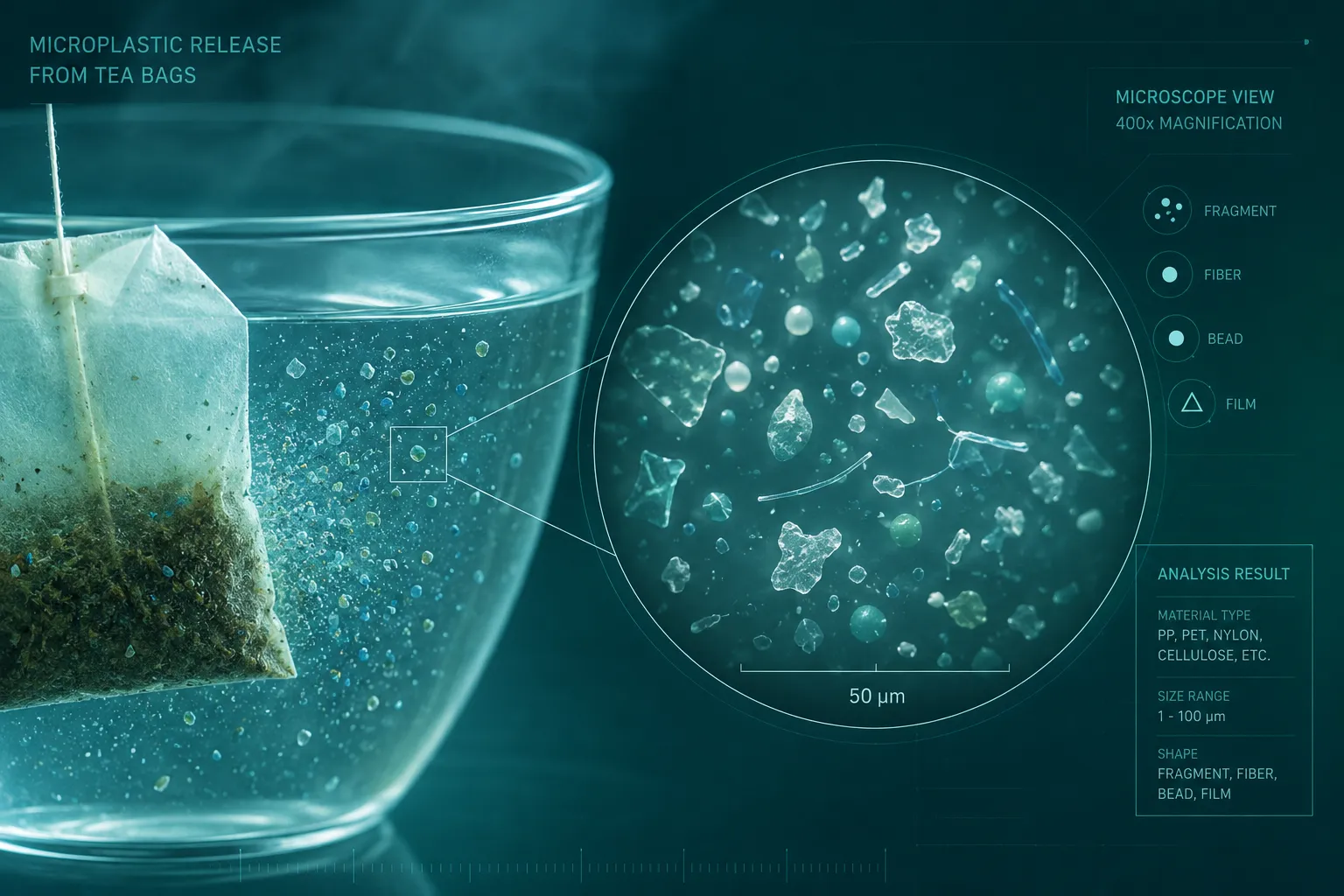
Every morning, millions of people reach for a tea bag as a simple act of wellness — a warm cup steeped in tradition and health intention. But recent research has uncovered something unsettling lurking in those thin little pouches: billions of invisible plastic particles that end up in every sip. Here is what the science actually shows, why it matters, and the straightforward changes that can make a real difference.
[Health Information Disclaimer] This article is intended for general health and lifestyle information purposes only. It is not a substitute for professional medical diagnosis, advice, or treatment. Research on the long-term health impacts of microplastics is ongoing and evolving. If you have specific health concerns or conditions, please consult a qualified healthcare professional.
What Are Microplastics and Nanoplastics?
Microplastics are plastic fragments smaller than 5 millimeters — about the size of a sesame seed at their largest, and invisible to the naked eye at their smallest. Nanoplastics are even tinier, measuring less than 1 micrometer (one one-thousandth of a millimeter). Both can pass through biological membranes in ways that larger particles cannot.
They originate from two main routes. Primary microplastics are manufactured small by design — think microbeads in certain facial scrubs or the nylon mesh in pyramid tea bags. Secondary microplastics form when larger plastic items break down over time through UV radiation, heat, and physical friction. Every time a plastic tea bag is steeped in near-boiling water, both mechanisms are at play simultaneously.
Scientists estimate that the average person ingests roughly 5 grams of microplastics per week — the approximate weight of a credit card — through food, water, and air combined. Tea bags turn out to be one of the most concentrated single-serving sources identified so far.
The Shocking Numbers: What's in Your Tea Bag
In 2019, researchers at McGill University in Montreal published a study that became one of the most cited papers on the subject. They steeped empty plastic tea bags in water heated to 95°C — the standard brewing temperature for most teas — for five minutes. The results were striking: a single plastic tea bag released approximately 11.6 billion microplastics and 3.1 billion nanoplastics into the water.
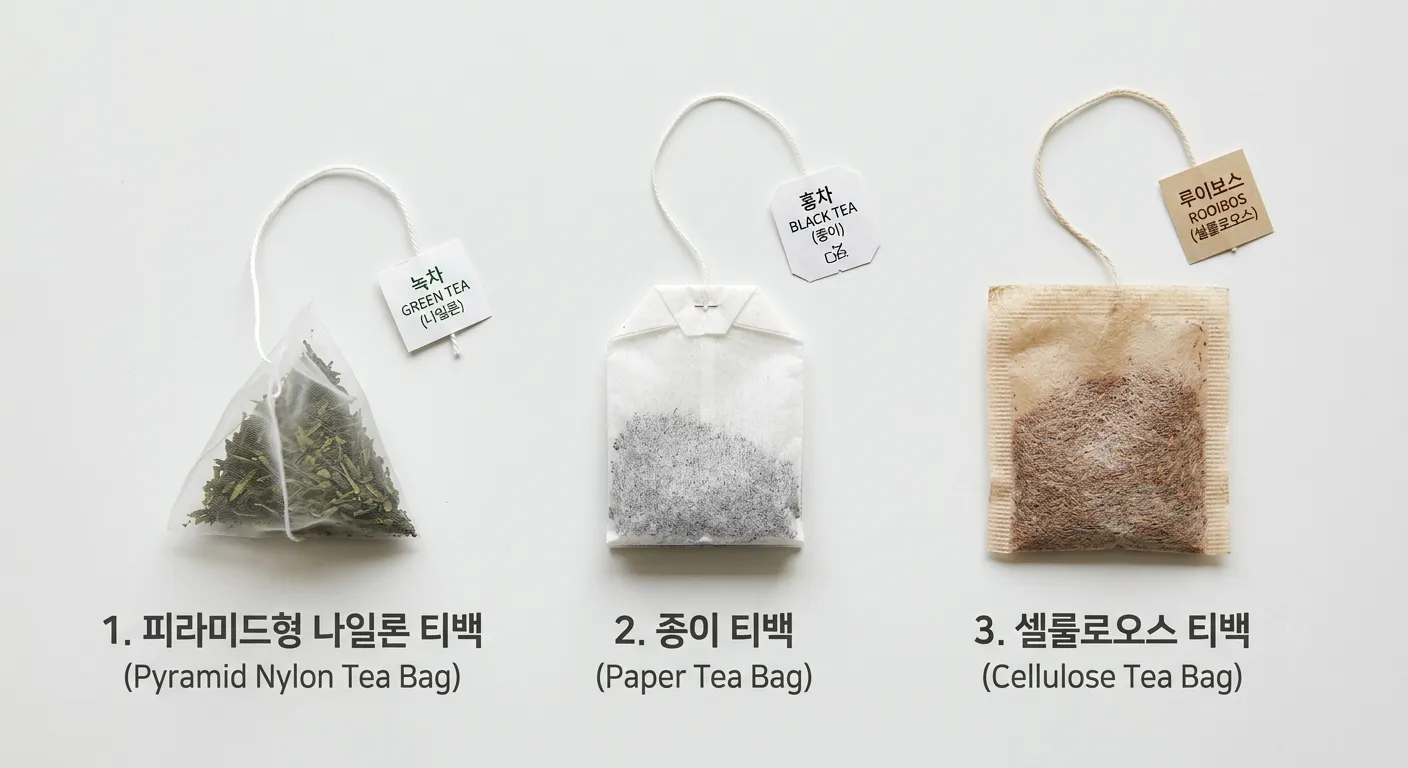
Building on that foundation, a December 2024 study from the Mutagenesis Research Group at the Universitat Autònoma de Barcelona (UAB), published in the journal Chemosphere, used more refined methodology to analyze multiple commercially available tea bag types. The research broke down microplastic release by material composition — and the differences were enormous.
| Tea Bag Material | Release (per mL) | Typical Use | Risk Level |
|---|---|---|---|
| Polypropylene (PP) | ~1.2 billion | Heat-seal bonding agent, widely used | Very High |
| Nylon-6 | ~135 million | Silk / pyramid-shaped tea bags | High |
| Cellulose (plant-based) | ~8.2 million | Some "eco-friendly" products | Moderate |
| 100% Cotton | Minimal | Pure cotton tea bags | Low |
* Data based on 2024 UAB/Chemosphere research and reporting by Fortune and Newsweek. Actual figures vary by brand and manufacturing conditions.
Health Effects: What Research Has Found
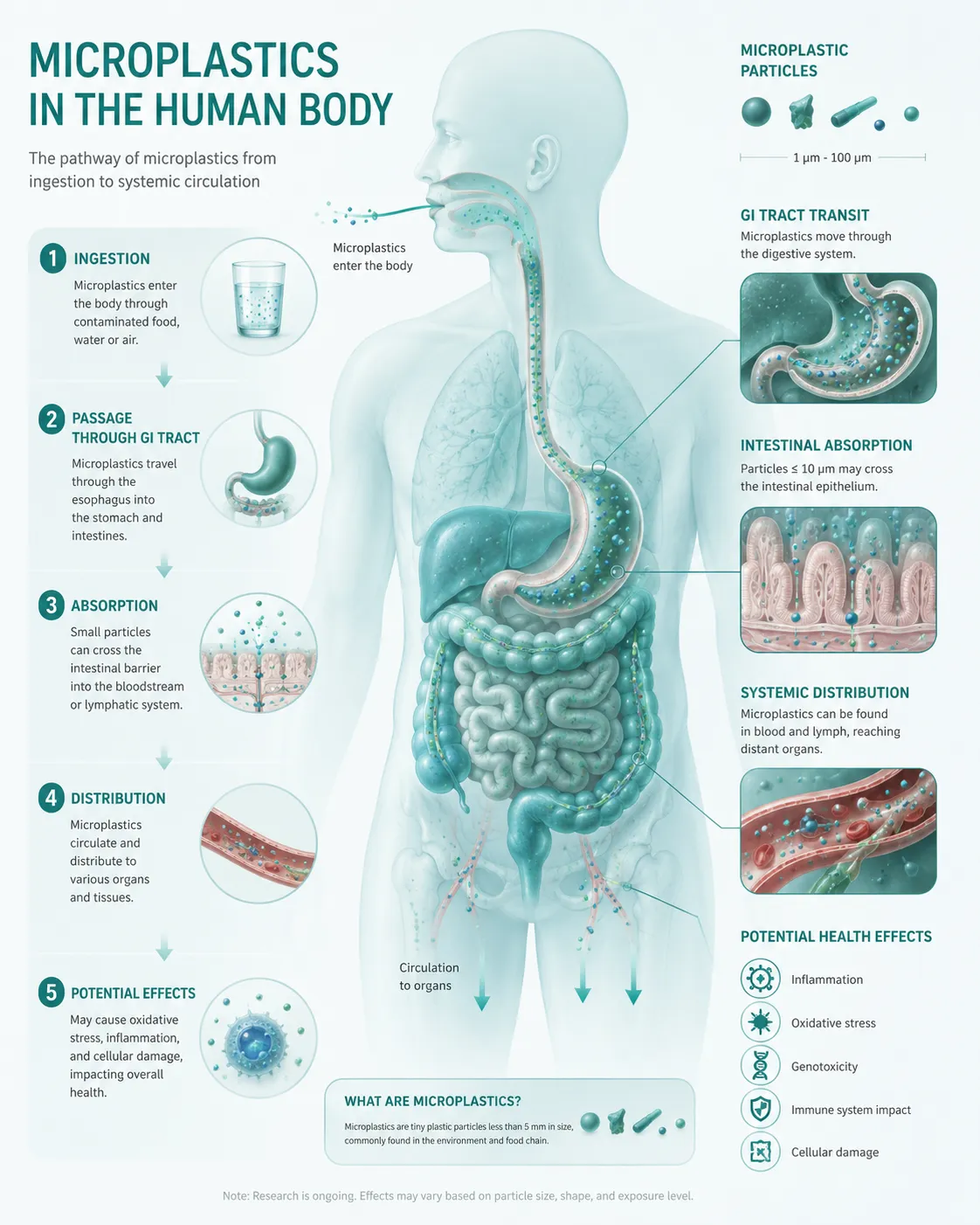
The science on what microplastics actually do inside the human body is still developing. What scientists can say with growing confidence is that long-term exposure warrants serious attention, and several distinct pathways of concern have emerged from the research.
Key Research Finding
The December 2024 UAB study went beyond measuring release to track what happens when those particles meet human cells. In cell culture experiments, nano- and microplastics from tea bags were observed entering human intestinal cells — with some particles reaching the cell nucleus where DNA resides. No immediate cell damage was detected, but the research team emphasized potential long-term risks from chronic exposure.
① Endocrine Disruption
Plastics frequently contain or attract chemicals called endocrine-disrupting compounds (EDCs) — substances such as bisphenol A (BPA) and phthalates. Once inside the body, these compounds can mimic or block natural hormone signals, raising concerns about effects on reproductive health, thyroid function, and metabolic hormones. The science in this area is active and evolving.
② Cardiovascular Risk
A landmark study published in the New England Journal of Medicine in March 2024 analyzed patients undergoing carotid artery plaque removal. Those in whom microplastics or nanoplastics were detected within the artery tissue faced a significantly higher risk of heart attack, stroke, or death over the following 34 months, compared to patients without detected particles. The researchers were careful to note this is an association, not a proven causal relationship — but it is among the most direct human data published to date.
③ Gut Health and Microbiome
Microplastics may disrupt the intestinal barrier and its protective mucus layer. The UAB research found that mucus-secreting intestinal cells absorbed significantly more plastic particles than other cell types — a finding with implications for gut permeability and the microbiome. Animal studies have additionally shown that microplastic exposure can alter the composition of gut bacteria, though translating these findings to human outcomes requires more research.
④ Oxidative Stress and Systemic Inflammation
A systematic review published in late 2024 in Food Chemistry, following PRISMA guidelines, surveyed studies from 2019 to 2024 and found consistent evidence that microplastic and nanoplastic particles trigger oxidative stress, inflammatory responses, apoptosis (programmed cell death), and genotoxic effects. Chronic inflammation of this kind is associated with conditions including metabolic disorders like diabetes and obesity, as well as immune dysfunction.
Where Else Microplastics Hide in Daily Life
Tea bags are just one piece of a much larger picture. Understanding the full scope of daily exposure helps prioritize where effort has the most impact.
7 Evidence-Based Ways to Reduce Your Exposure
Complete elimination is not realistic — microplastics are genuinely ubiquitous. But targeted changes can meaningfully reduce your daily load. These recommendations draw from the latest guidance by the NRDC, peer-reviewed research, and environmental health experts.
-
1Switch to Loose-Leaf Tea
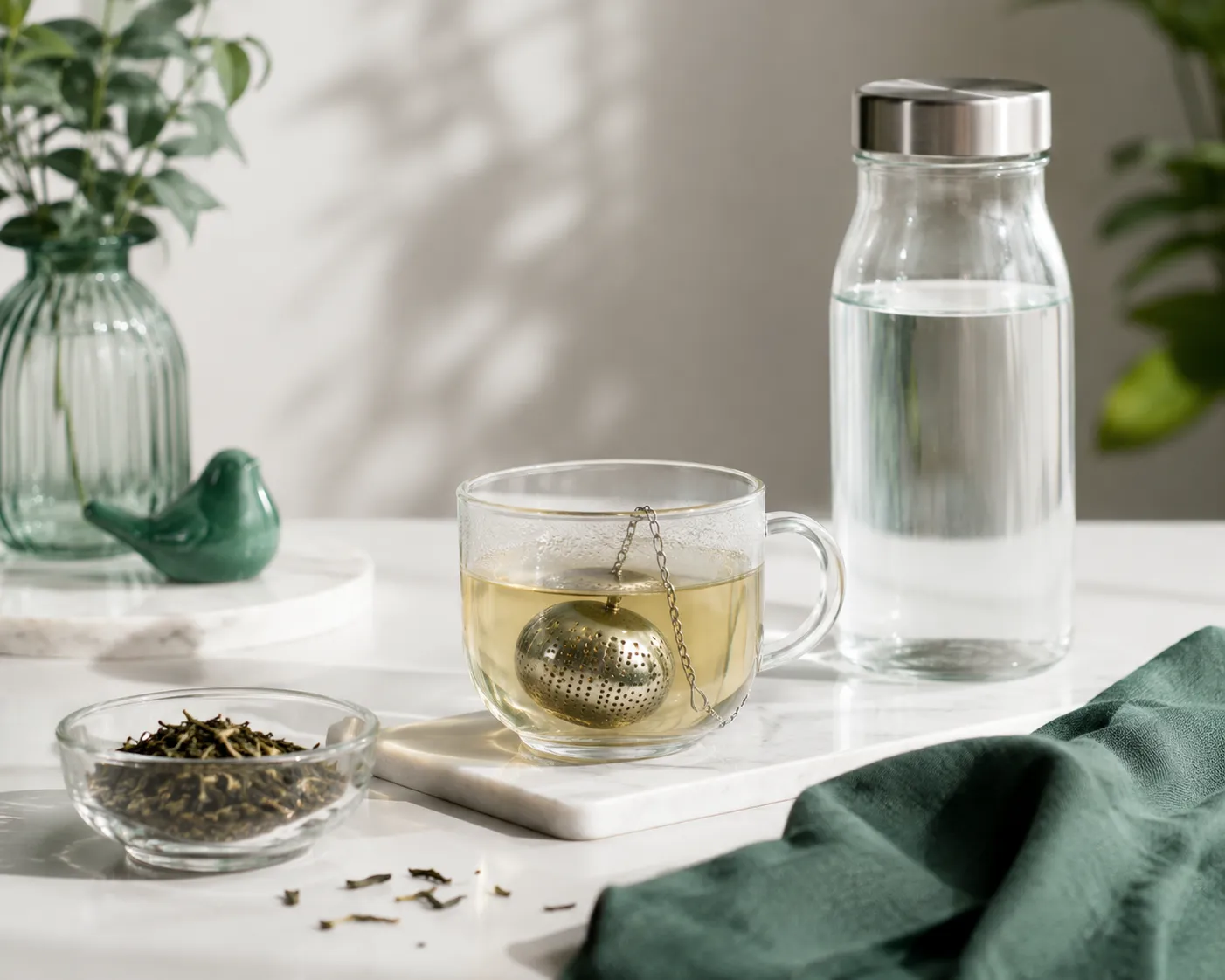
Brewing loose-leaf tea with a stainless steel, glass, or ceramic infuser eliminates plastic bag exposure entirely. As a bonus, loose-leaf teas are typically higher quality — made from whole or large-fragment leaves rather than the fine dust often packed into bags.
-
2Choose Genuinely Plastic-Free Tea Bags
Look for tea bags labeled "plastic-free," "100% cotton," "unbleached wood pulp," or "abacá hemp fiber." These materials produce far fewer particles than nylon or polypropylene alternatives. Be skeptical of "biodegradable" claims unless material composition is clearly listed — some bioplastics behave like conventional plastic under brewing conditions.
-
3Boil Your Tap Water
A 2024 study found that boiling tap water removes at least 80% of potential micro- and nanoplastics. Allow water to settle after boiling, then pour through a fine mesh or paper filter before using. Store in glass or stainless steel containers.
-
4Avoid Heating Food in Plastic
Heat is one of the most potent accelerants of plastic leaching. Switch to glass, ceramic, or stainless steel containers for microwaving and food storage. The same logic applies to plastic cutting boards, spatulas, and ladles — heat plus mechanical friction is a particularly effective combination for generating particles.
-
5Increase Dietary Fiber Intake
Eating 25–35 grams of fiber per day from vegetables, fruits, legumes, nuts, and seeds promotes healthy gut motility and may help the body pass microplastics more efficiently before they can be absorbed deeper into the gut wall.
-
6Eat More Antioxidant-Rich Foods
Berries rich in anthocyanins, dark leafy greens, and citrus fruits provide antioxidants that may help counteract the oxidative stress associated with microplastic exposure. Think of it as supporting your body's natural defenses while the science continues to develop.
-
7Use a Microfiber Filter Bag for Laundry
Synthetic fabrics — polyester, acrylic, nylon — shed thousands of microfibers per wash cycle. A microfiber-catching laundry bag or washing machine filter captures these before they enter the water supply. Gradually shifting toward natural fiber clothing (cotton, linen, wool) also helps.
Watch Out for "Biodegradable" Mislabeling
Some tea brands use polylactic acid (PLA), a bioplastic derived from cornstarch, and market it as eco-friendly or biodegradable. In practice, PLA only breaks down under industrial composting conditions at sustained high temperatures. In your home compost bin — or when steeped in hot water — it behaves similarly to conventional plastic and can still release micro- and nanoplastics. When choosing tea bags, look for explicitly named materials: "100% cotton," "wood pulp," or "abacá hemp" rather than vague "biodegradable" claims.
Frequently Asked Questions
No — the material of the tea bag is the dominant factor, not what's inside it. The same green tea in a nylon pyramid bag will release vastly more microplastics than the same tea in an unbleached paper bag. When selecting tea, prioritize the packaging material over the variety of tea itself.
Reducing steep time can lower total particle release somewhat, but it does not eliminate the problem. Notably, squeezing or pressing the tea bag with a spoon adds mechanical force that may actually increase release. The only reliable solution is changing to a plastic-free tea bag or loose-leaf brewing.
Science has not yet established a dose-response threshold — that is, a specific amount of microplastic exposure that definitively causes harm in humans. The research is developing rapidly, and the current evidence supports reducing exposure as a precautionary measure. Rather than anxiety about past exposure, the most productive response is making gradual improvements going forward. Consult your doctor if you have specific health concerns.
Reverse osmosis (RO) filtration is effective at removing nanoplastics and other very small particles. Standard carbon block filters provide more limited protection. As noted above, simply boiling tap water is a cost-effective option that removes around 80% of nano- and microplastic particles on its own.
The Bottom Line: Less Panic, More Practical Action
The science on microplastics is still filling in important gaps. No established safe threshold exists, and the long-term human health picture is not yet complete. What is clear is that our exposure is widespread, certain sources are far worse than others, and some of the most effective protective steps are among the easiest changes anyone can make.
Swapping a nylon pyramid tea bag for a stainless steel infuser and a scoop of loose-leaf tea costs next to nothing and takes about fifteen seconds. That is an unusually favorable ratio of effort to potential benefit — and a good place to start.
Key Takeaways
- Plastic tea bags — especially nylon and polypropylene — release billions of micro and nanoplastics per brew.
- Pyramid or "silk" bags are the highest-risk format; standard paper bags are considerably safer.
- Current evidence links microplastics to endocrine disruption, cardiovascular risk, gut barrier effects, and oxidative stress — though human causal evidence is still accumulating.
- The most effective single change is switching to loose-leaf tea with a non-plastic infuser.
- Boiling tap water, avoiding plastic in the kitchen, increasing fiber intake, and eating antioxidant-rich foods are all supportive measures backed by current research.
"The issue with brewing certain tea bags is that high temperatures, water exposure, and even stirring can promote the release of microplastics." – Dr. Alba García-Rodríguez, Researcher, Mutagenesis Group, Universitat Autònoma de Barcelona (2024)
[Medical Disclaimer] This article is intended for general health and lifestyle information purposes only. It is not a substitute for professional medical diagnosis, advice, or treatment. If you have specific health conditions or concerns, please consult a qualified healthcare professional.