
The moment you see those two lines on a pregnancy test, everything changes — especially your relationship with food, medicine, and everyday habits. Suddenly, that glass of wine at dinner, the ibuprofen you took for a headache, or the sushi you had last weekend becomes a source of anxiety. Take a breath. While pregnancy does require real precautions, it's not about living in fear — it's about making informed choices. This guide covers what you actually need to know about medications, foods, and activities during pregnancy, based on the latest 2025 medical guidelines.
official pregnancy safety data
attributed to medications
for drug-induced defects
during pregnancy (CDC)
Why Medications Are Risky During Pregnancy
There's a common misconception that the placenta acts as an impenetrable shield, protecting the fetus from everything the mother consumes. In reality, the placenta is far from a perfect barrier. Most medications — particularly those that are small in molecular size or fat-soluble — cross the placental barrier with relative ease and reach fetal circulation.
Pregnancy also dramatically alters the pharmacokinetics (how the body processes drugs) of the mother. Blood plasma volume increases by 40–50%, cardiac output rises, and renal blood flow nearly doubles. These changes mean that the same medication can behave very differently during pregnancy compared to outside of it. Some drugs are metabolized faster, reducing their effectiveness; others accumulate to higher concentrations than expected.
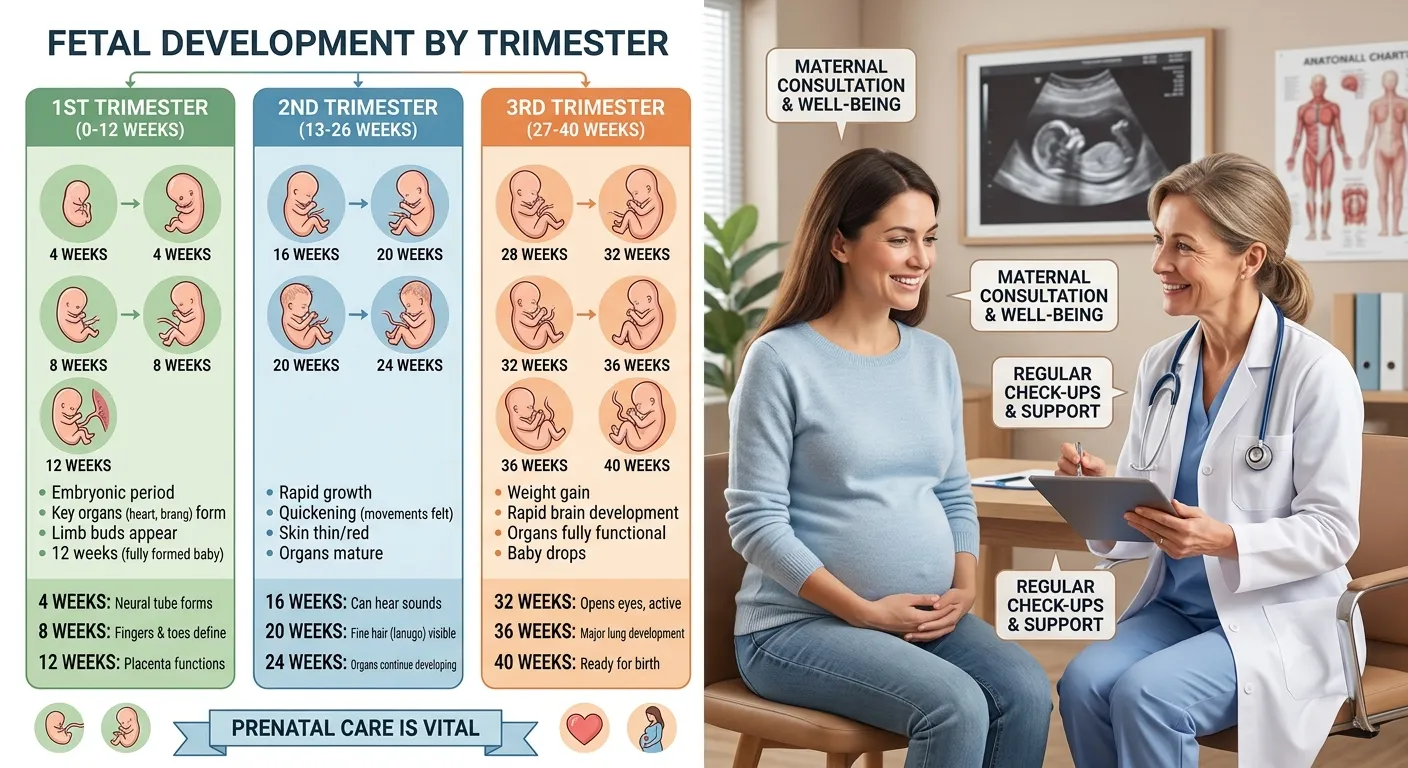
During the first 4 weeks (pre-implantation), an "all-or-nothing" principle generally applies: if the embryo sustains significant damage, it spontaneously aborts; if not, development typically continues normally. However, weeks 5–10 — the period of organogenesis — are the most critical. This is when the heart, brain, spinal cord, limbs, and eyes form. Exposure to teratogenic (birth-defect-causing) drugs during this window can result in specific, serious structural defects corresponding to the organ being formed at the time.
Drug Risk by Trimester
🌱 Pre-Implantation
All-or-nothing rule
Avoid strongly
teratogenic drugs
⚠️ Organogenesis
HIGHEST RISK period
Minimize ALL drugs
Consult doctor first
🌿 Fetal Growth
Relatively stable
Limited use possible
with medical advice
🌙 Third Trimester
NSAIDs forbidden
after week 30
Labor prep risks
| Period | Weeks | Fetal Development | Drug Risk Level | Key Concerns |
|---|---|---|---|---|
| Pre-implantation | 0–4 | Cell division, implantation | Moderate | Strong teratogens may cause miscarriage |
| Embryonic (Organogenesis) | 5–10 | Heart, brain, limbs, eyes forming | 🚨 Very High | Peak teratogenic risk — avoid all possible medications |
| Early Fetal | 11–20 | Organ growth, genitalia developing | Moderate | Sex hormone-related drugs can affect genitalia |
| Mid Fetal | 21–27 | Brain development, hearing forming | Moderate | Some drugs may affect neurological development |
| Third Trimester | 28–40 | Weight gain, lung maturation | Moderate–Low | NSAIDs forbidden after week 30; some drugs affect newborn |
Absolutely Forbidden: Category 1 Medications
Isotretinoin Absolutely Forbidden Acne treatment · Accutane, Roaccutane
This powerful vitamin A derivative is one of the most potent teratogens known. Exposure during pregnancy causes severe defects of the skull, face, heart, ears, and fingers. Microcephaly, hydrocephalus, and ear malformations have all been documented in children exposed in utero.
If you're planning to conceive, stop isotretinoin at least 1 month before trying. For women of childbearing age, most countries require a pregnancy prevention program before prescribing this medication. Never handle crushed or broken capsules if you're pregnant or planning to conceive — even dermal absorption carries risk.
Finasteride / Dutasteride Absolutely Forbidden Hair loss treatment · Propecia, Avodart
These 5-alpha reductase inhibitors block male hormone conversion and can feminize a male fetus — causing ambiguous genitalia or hypospadias. Even though these are taken by men, pregnant women must not handle crushed or broken tablets. If your partner is on finasteride, ensure he uses sealed packaging to prevent powder exposure.
The 1mg tablets (for hair loss) have a coating that reduces risk, but the 5mg prostate-treatment tablets are often split and exposed. Pregnant women should not pick up uncoated finasteride tablets under any circumstances.
Valproic Acid (Valproate) Absolutely Forbidden Epilepsy / Bipolar disorder · Depakote, Epilim
Valproate causes neural tube defects (spina bifida, anencephaly), cognitive impairment, and autism spectrum disorders in exposed children. Studies show an up to 10-fold increase in major congenital malformations compared to unexposed pregnancies. The European Medicines Agency has issued strict warnings restricting its use in women of childbearing age.
However, stopping seizure medication abruptly can be more dangerous than the drug itself — uncontrolled seizures during pregnancy pose serious risks to both mother and fetus. If you have epilepsy and are planning to conceive, work with your neurologist months in advance to transition to a safer alternative like lamotrigine or levetiracetam.
Warfarin Absolutely Forbidden (especially 1st & 3rd trimester) Blood thinner · Coumadin
Warfarin crosses the placenta freely and causes "warfarin embryopathy" — nasal hypoplasia (flattened nose bridge), stippled bone calcification, and central nervous system abnormalities. In the third trimester, it significantly increases the risk of fetal and neonatal bleeding.
For patients requiring anticoagulation (e.g., mechanical heart valves, clotting disorders), low-molecular-weight heparin (LMWH) is the standard alternative, as it does not cross the placenta. Management must be individualized and carefully monitored by a cardiologist and maternal-fetal medicine specialist.
Methotrexate Absolutely Forbidden Chemotherapy / Rheumatoid arthritis / Ectopic pregnancy
As a folic acid antagonist that powerfully inhibits cell division, methotrexate causes severe fetal malformations including skull, limb, and neurological defects. It is also used intentionally to terminate ectopic pregnancies — illustrating just how potent its anti-pregnancy effects are.
Women who have been treated with methotrexate should wait at least 3 months after the final dose before attempting conception. Men should also allow at least 3 months for sperm to regenerate after treatment.
Ribavirin Absolutely Forbidden Hepatitis C treatment
Ribavirin is teratogenic at doses as low as 1/20th of the therapeutic dose. Even indirect exposure — such as a pregnant woman touching tablets — is considered dangerous. Animal studies show widespread fetal abnormalities across every species tested at clinically relevant doses.
Both the patient and her partner must use two forms of reliable contraception during treatment and for at least 6 months after finishing ribavirin therapy. The same applies to male patients — ribavirin is found in semen and poses risk to a partner's pregnancy.
"Medications during pregnancy should be taken at the minimum effective dose for the shortest possible duration, always after weighing the risks and benefits with your healthcare provider." – U.S. FDA, Drug Use in Pregnancy Guidelines
Use With Caution: Category 2 Medications
These medications aren't outright banned, but require careful medical supervision during pregnancy. Never take, adjust, or discontinue them on your own.
NSAIDs (Ibuprofen, Naproxen, etc.) Conditional Use Pain relievers · Advil, Aleve, Motrin
NSAIDs are among the most widely used OTC painkillers, but during pregnancy they pose serious risks. Use from weeks 20–30 should be limited to the smallest effective dose for the shortest time possible. After week 30, NSAIDs are absolutely contraindicated due to risk of premature closure of the fetal ductus arteriosus (a critical blood vessel), which can lead to pulmonary hypertension in the newborn. They can also cause fetal renal impairment and oligohydramnios (dangerously low amniotic fluid).
When you need a pain reliever, reach for acetaminophen (Tylenol) first. NSAIDs should be a last resort, not a first choice.
Aspirin High-dose forbidden; low-dose conditional Anti-inflammatory / Blood thinner
High-dose aspirin (pain relief doses) carries the same risks as other NSAIDs during pregnancy. However, low-dose aspirin (75–150mg/day) is actually recommended by major obstetric guidelines for women at high risk of preeclampsia or recurrent pregnancy loss, when prescribed by an OB-GYN. The key is that the dosage and indication matter enormously — don't self-prescribe aspirin during pregnancy.
Benzodiazepines (Alprazolam, Diazepam, etc.) Conditional Use Anxiety / Sleep · Xanax, Valium, Klonopin
Some studies link first-trimester benzodiazepine exposure to a slightly increased risk of cleft palate, though the absolute risk remains low. Use in the third trimester is associated with neonatal withdrawal syndrome — the baby may experience breathing difficulties, poor muscle tone, and jitteriness after birth. Never abruptly stop psychiatric medications without consulting your psychiatrist.
Paroxetine (Paxil) Switch recommended if possible Antidepressant (SSRI)
Among SSRIs, paroxetine has the most evidence linking it to an increased risk of congenital heart defects (specifically ventricular septal defects). Most psychiatrists prefer to switch pregnant patients to sertraline or escitalopram, which have more reassuring safety profiles. That said, untreated depression during pregnancy carries its own serious risks — never stop antidepressants without medical guidance.
The Golden Rule of Pregnancy Medications
When medication is necessary: ① Choose drugs with the longest track record of safety in pregnancy ② Use the minimum effective dose ③ For the shortest possible duration. Always consult your OB-GYN or pharmacist before taking anything — including vitamins and herbal supplements, which can also affect pregnancy.
Safe Medication Options by Symptom
Being pregnant doesn't mean suffering through every headache, cold, or bout of heartburn without relief. There are relatively safe options for common symptoms — but the operative word is "relatively." Always check with your provider first, especially for anything you'd take regularly.
| Symptom | First-Line Safe Options | Non-Drug Alternatives | Avoid |
|---|---|---|---|
| Fever / Pain | Acetaminophen (Tylenol) ✅ Max 4,000mg/day |
Cool compresses, rest, hydration | Ibuprofen, Naproxen (forbidden after week 30) |
| Runny nose / Congestion | Cetirizine, Chlorpheniramine ✅ | Saline nasal rinse, humidifier | Pseudoephedrine (vasoconstrictor) |
| Cough | Dextromethorphan, Diphenhydramine ✅ |
Honey (1 tsp), warm tea, humidifier | Codeine-containing syrups (avoid in 1st trimester) |
| Constipation | Lactulose, Psyllium husk, Magnesium ✅ |
Increased water, fiber, walking daily | Senna stimulant laxatives (long-term use) |
| Heartburn / Acid reflux | Magnesium antacids, Famotidine ✅ |
Small frequent meals, no eating before bed | Long-term PPI use (consult doctor) |
| Morning sickness | Vitamin B6 (Pyridoxine), Ginger supplements ✅ |
Small frequent meals, avoid triggers, cold foods | Doxylamine combination (prescription required) |
| Bacterial infection | Amoxicillin, Azithromycin ✅ (with prescription) |
— | Tetracyclines, Streptomycin (bone/tooth damage) |
7 Foods to Avoid During Pregnancy
The good news: most of the old wives' tales about pregnancy food restrictions are myths. Spicy food won't hurt your baby, and eating chicken won't give your child a "chicken skin" complexion. But these seven categories carry genuine, science-backed risks.
Alcohol — Zero Tolerance
Alcohol crosses the placenta immediately. Fetal Alcohol Spectrum Disorders (FASDs) — including facial abnormalities, brain damage, and intellectual disability — are entirely preventable but permanent. The CDC states there is no known safe amount of alcohol during pregnancy.
High-Mercury Fish
Shark, swordfish, king mackerel, tilefish, and bigeye tuna concentrate methylmercury, which damages the developing nervous system. Safe alternatives: salmon, sardines, shrimp, catfish, and canned light tuna (max 12 oz/week per FDA).
Raw or Undercooked Meat
Toxoplasma gondii (from undercooked meat), Listeria, E. coli, and Salmonella can cause miscarriage, stillbirth, and severe neonatal illness. All meat must be cooked to safe internal temperatures — 165°F (74°C) for poultry, 160°F (71°C) for ground meat.
Unpasteurized Dairy
Soft cheeses made from unpasteurized milk (brie, camembert, certain feta, blue cheese) can harbor Listeria monocytogenes, which can cross the placenta and cause serious fetal infection even when the mother feels mildly ill. Choose pasteurized versions.
Excessive Caffeine
Above 200–300mg/day (roughly 2 small coffees) is linked to increased miscarriage risk and low birth weight. Caffeine also appears in tea, energy drinks, soda, and chocolate — count your total daily intake, not just from coffee.
Raw or Undercooked Eggs
Salmonella risk is real in raw eggs — including raw batter, homemade Caesar dressing, homemade mayonnaise, or runny fried eggs. Use pasteurized egg products for any recipe that calls for raw eggs, and cook eggs until both white and yolk are firm.
Raw Sprouts
Alfalfa, clover, radish, and mung bean sprouts are grown in warm, moist conditions ideal for Listeria, Salmonella, and E. coli. Pregnant women should avoid all raw sprouts — cooking kills the bacteria, so cooked versions are fine.

Essential Nutrients & Recommended Foods
The "avoid" list gets all the attention, but what you should eat matters just as much. Certain nutrients are non-negotiable for healthy fetal development.
| Nutrient | Why It Matters | Best Food Sources | When to Start |
|---|---|---|---|
| Folic Acid | Prevents neural tube defects (spina bifida) | Spinach, broccoli, avocado, lentils, fortified cereals | 3 months BEFORE conception through week 12 |
| Iron | Prevents anemia; reduces preterm birth risk | Lean red meat, tofu, lentils, fortified grains | 2nd trimester onward (week 14+) |
| Calcium | Fetal bone & tooth development; protects maternal bones | Milk, yogurt, cheese, sardines, kale | Entire pregnancy |
| DHA (Omega-3) | Fetal brain and eye development | Salmon, mackerel, sardines, walnuts, flaxseed | 2nd & 3rd trimesters especially |
| Iodine | Thyroid function; fetal brain development | Seaweed, seafood, iodized salt, dairy | Entire pregnancy |
13 Behaviors to Avoid During Pregnancy
🚬 Smoking (Including Secondhand Smoke)
Smoking during pregnancy is linked to miscarriage, premature birth, low birth weight, placental abruption, and sudden infant death syndrome (SIDS). Nicotine in e-cigarettes also damages developing fetal lung tissue and the brain. Even secondhand smoke exposure carries similar — if somewhat lesser — risks. If your partner or family members smoke, make your home and car smoke-free immediately.
🛁 Hot Tubs, Saunas & Steam Rooms
Hyperthermia (core body temperature above 38.9°C / 102°F) in the first trimester is associated with neural tube defects and heart malformations. Hot tubs and saunas can raise body temperature to dangerous levels within minutes. Warm baths below 37°C (98.6°F) for under 15 minutes are generally considered safe — the key is keeping water temperature moderate.
🥊 Contact Sports & High-Fall-Risk Activities
Football, boxing, basketball, and martial arts all carry risk of abdominal trauma, which can cause placental abruption — a life-threatening emergency. After the first trimester, balance shifts as your center of gravity changes, making falls even more dangerous. After week 16, avoid any activity with significant fall risk including skiing, ice skating, and horseback riding.
🐱 Changing the Cat Litter Box
Cat feces can contain Toxoplasma gondii, a parasite that, if passed to the fetus, can cause miscarriage, stillbirth, or severe neurological damage including blindness and intellectual disability. The risk is highest with indoor-outdoor cats. Have someone else handle the litter box throughout pregnancy. If you must do it yourself, wear gloves and a mask, and wash hands thoroughly afterward.
☢️ Unnecessary X-Ray Exposure
Diagnostic X-rays at standard medical doses are generally considered safe when medically necessary, but the cumulative dose and timing matter. CT scans deliver significantly higher radiation than regular X-rays and should be avoided unless absolutely necessary. If you need an imaging study, alert your provider to your pregnancy so they can choose the safest alternative (ultrasound, MRI) or apply lead shielding.
🦟 Pesticides, Herbicides & Chemical Cleaning Products
Organophosphate pesticides in particular have been linked to adverse birth outcomes and neurodevelopmental issues. During pregnancy, avoid applying pesticides or herbicides yourself. When using cleaning products at home, ensure excellent ventilation, wear gloves, and avoid mixing products that create fumes (e.g., bleach and ammonia). Where possible, switch to fragrance-free, non-toxic alternatives.
🎢 Roller Coasters & Amusement Park Rides
The jarring, sudden forces of roller coasters can cause placental abruption — the premature separation of the placenta from the uterine wall. Rides also use restraint systems not designed for pregnant abdomens, and the motion may worsen nausea. Most major amusement parks prohibit pregnant riders from high-intensity attractions for exactly these reasons.
🏋️ Heavy Lifting
Straining to lift heavy objects increases intra-abdominal pressure and places excessive stress on the ligaments supporting a growing uterus. While occasional light lifting is generally fine early in pregnancy, avoid regularly lifting more than 5kg (11 lbs) as pregnancy progresses. If your job requires heavy lifting, discuss workplace accommodations with your employer and OB-GYN.
✈️ Long-Haul Travel (Especially Late Pregnancy)
Most airlines allow travel up to 36 weeks with a singleton pregnancy. The primary concerns are deep vein thrombosis (DVT) from prolonged immobility, reduced access to emergency obstetric care, and radiation from high-altitude flying (though single flights are generally within safe limits). On long flights: walk the aisle every 1–2 hours, stay hydrated, wear compression socks, and carry your prenatal records.
💆 Chronic Stress
Sustained high cortisol levels during pregnancy are associated with preterm birth, low birth weight, and behavioral issues in children. You can't eliminate stress, but managing it matters. Regular gentle exercise, mindfulness practices, adequate sleep, and maintaining social connections are all evidence-based strategies. Don't hesitate to seek professional mental health support — prenatal depression and anxiety are common and treatable.
💅 Hair Dyeing & Chemical Treatments (1st Trimester)
Research hasn't established a direct link between hair dye and birth defects, but the quantity of chemicals absorbed through the scalp is small and possibly worth minimizing during the critical first trimester. If you do color your hair, choose a well-ventilated salon, leave the product on for the minimum recommended time, and consider highlights (which don't touch the scalp) as an alternative. Nail salons with strong acrylic smells — ensure maximum ventilation or postpone until after the first trimester.
🦷 Skipping Dental Care
Hormonal changes during pregnancy increase susceptibility to gingivitis and gum disease. Untreated periodontal disease has been linked to preterm birth and low birth weight. Routine cleanings, fillings, and extractions are safe during pregnancy (best performed in the second trimester). Alert your dentist to your pregnancy — they'll use pregnancy-safe anesthesia and shield your abdomen during any necessary X-rays.
💤 Sleeping Flat on Your Back (After Week 20)
After the 20th week, sleeping on your back can compress the inferior vena cava — the major vein returning blood to your heart — reducing circulation. This can cause dizziness, shortness of breath, and reduced blood flow to the placenta. Left-side sleeping is recommended after mid-pregnancy. A pregnancy pillow between your knees helps maintain comfortable positioning throughout the night.
Safe Exercise During Pregnancy

Exercise during pregnancy is not just permitted — it's encouraged. The American College of Obstetricians and Gynecologists (ACOG) recommends that healthy pregnant women get at least 150 minutes of moderate-intensity aerobic activity per week. The benefits include reduced risk of gestational diabetes, preeclampsia, and cesarean birth; better mood; and easier labor.
| Activity | Recommended? | Notes |
|---|---|---|
| Walking | ✅ Highly Recommended | Safest, most accessible option. Aim for 30 minutes/day at a comfortable pace |
| Swimming / Water aerobics | ✅ Recommended | Full-body workout with zero joint stress. Excellent for back pain and edema |
| Prenatal yoga / Pilates | ✅ Recommended | Improves flexibility, reduces back pain, builds core strength. Choose a certified prenatal instructor |
| Stationary cycling | ✅ Recommended | No fall risk. Adjust seat as belly grows |
| Light strength training | ⚠️ With modifications | Light weights, no breath-holding (Valsalva maneuver), avoid lying flat after 20 weeks |
| Running | ⚠️ If pre-existing | Fine if you ran before pregnancy; reduce intensity as needed. Listen to your body |
| Skiing / Ice skating | ❌ Avoid | High fall risk → placental abruption risk |
| Scuba diving | ❌ Absolutely Avoid | Decompression sickness risk → fetal gas embolism. No exceptions |
| Contact sports | ❌ Avoid | Abdominal trauma risk. Includes football, basketball, martial arts |
Environmental Hazards & Workplace Safety

- Radiation exposure at work: Radiology technicians and nuclear medicine workers should request dosimetry monitoring and reassignment if exposure levels are high
- Organic solvents: Dry cleaning, printing, and painting industries — wear appropriate PPE and maximize ventilation
- Lead and mercury: Battery manufacturing, old-home renovation (lead paint), dental amalgam work
- Pesticide/herbicide application: Request reassignment during pregnancy if part of your job
- Night shift work: Disrupted circadian rhythms are associated with preterm birth — discuss scheduling accommodations with your employer
- Prolonged standing: Associated with varicose veins and lower limb edema — request modified duties or compression stockings
Real Experiences from Pregnant Communities
Subreddits like r/pregnant and r/BabyBumps are filled with honest, relatable firsthand accounts. Here's a curated look at what real pregnant people have shared about navigating these precautions.
Pregnancy Precautions: Your Most Common Questions
🌟 Key Pregnancy Precautions — Quick Reference
- Weeks 5–10 are the highest-risk window for drug-related birth defects — minimize everything
- Never take isotretinoin, valproate, warfarin, methotrexate, or ribavirin during pregnancy
- For pain/fever: acetaminophen first; NSAIDs forbidden after week 30
- Zero alcohol, limit caffeine below 200–300mg/day, avoid high-mercury fish and raw foods
- No hot tubs, no smoking, no contact sports, no cat litter cleaning
- Start folic acid 3 months before conception; begin iron supplements in the 2nd trimester
- 150+ minutes of moderate exercise per week is recommended — walking and swimming are ideal
- Never stop chronic disease medications without consulting your doctor
Final Thoughts: You Don't Have to Do This Alone
Pregnancy comes with a firehose of information — much of it contradictory, anxiety-inducing, or buried under outdated myths. The goal of this guide isn't to give you a longer list of things to worry about. It's to give you a clear, evidence-based framework so you can make confident decisions instead of operating on fear and guesswork.
The single most important thing you can do? Build an open, honest relationship with your OB-GYN, midwife, or family doctor. No question is too small or too embarrassing. That cup of coffee, that forgotten vitamin you took last month, that glass of wine before you got your positive test — bring it all up. That's what your provider is there for.
Here's to a healthy, supported, and informed pregnancy. You've got this. 💗