Stroke is the fourth-leading cause of death and the single largest cause of severe, long-term disability in South Korea — and numbers look similar across much of the developed world. If a parent, sibling, or grandparent has experienced a stroke, your own risk may be up to three times higher than average. But fear alone accomplishes nothing. Understanding stroke — knowing what it is, what it looks like, and how to act in those first critical minutes — is the only lever you can actually pull.
This article is intended to provide general health and lifestyle information only. It is not a substitute for professional medical advice, diagnosis, or treatment. If you have a specific medical condition or symptoms, please consult a qualified healthcare provider.
What Is a Stroke? Types & Mechanisms
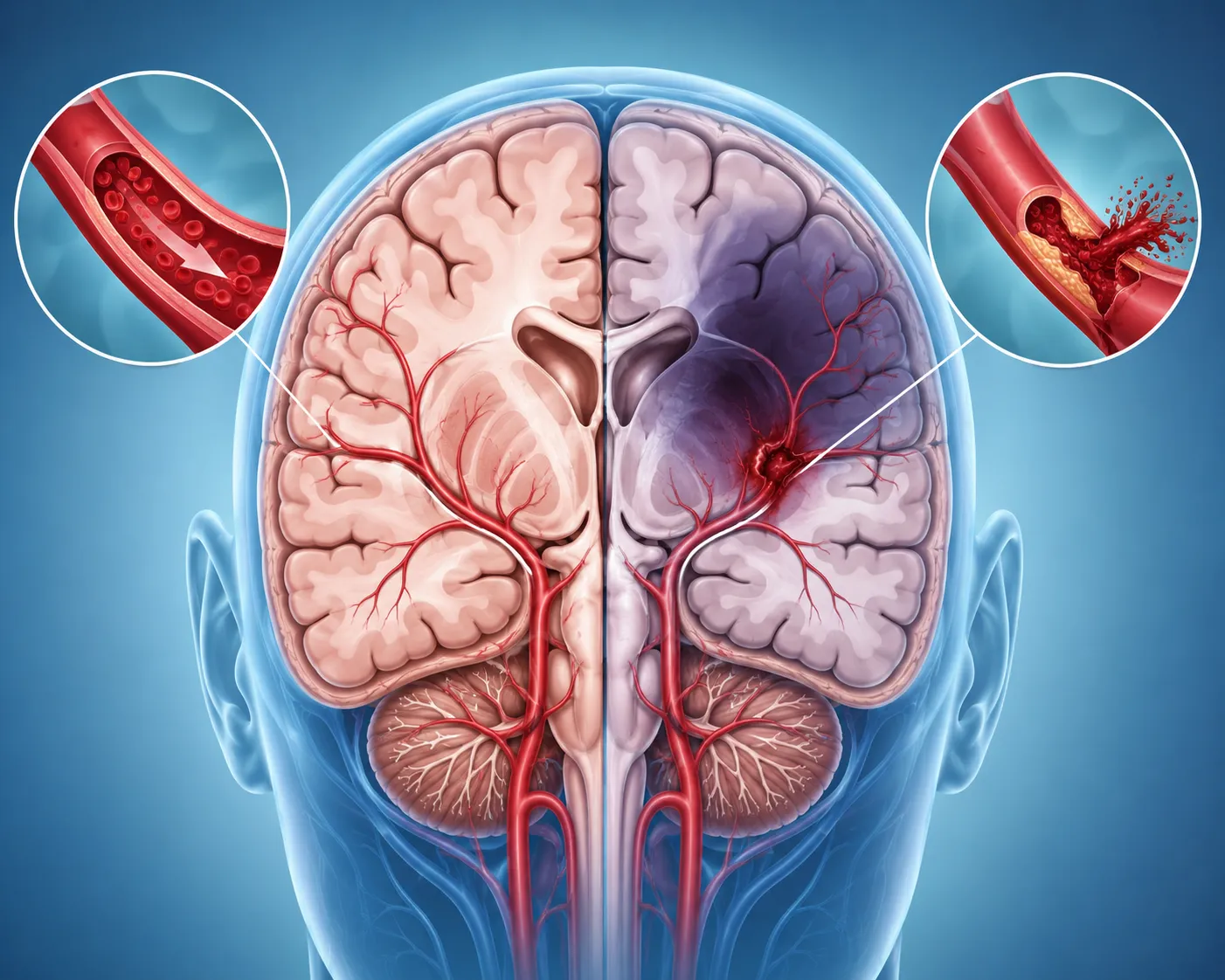
A stroke occurs when blood supply to part of the brain is suddenly cut off, or when a blood vessel in the brain ruptures, damaging brain tissue. There are three main categories:
Ischemic Stroke (Brain Infarction)
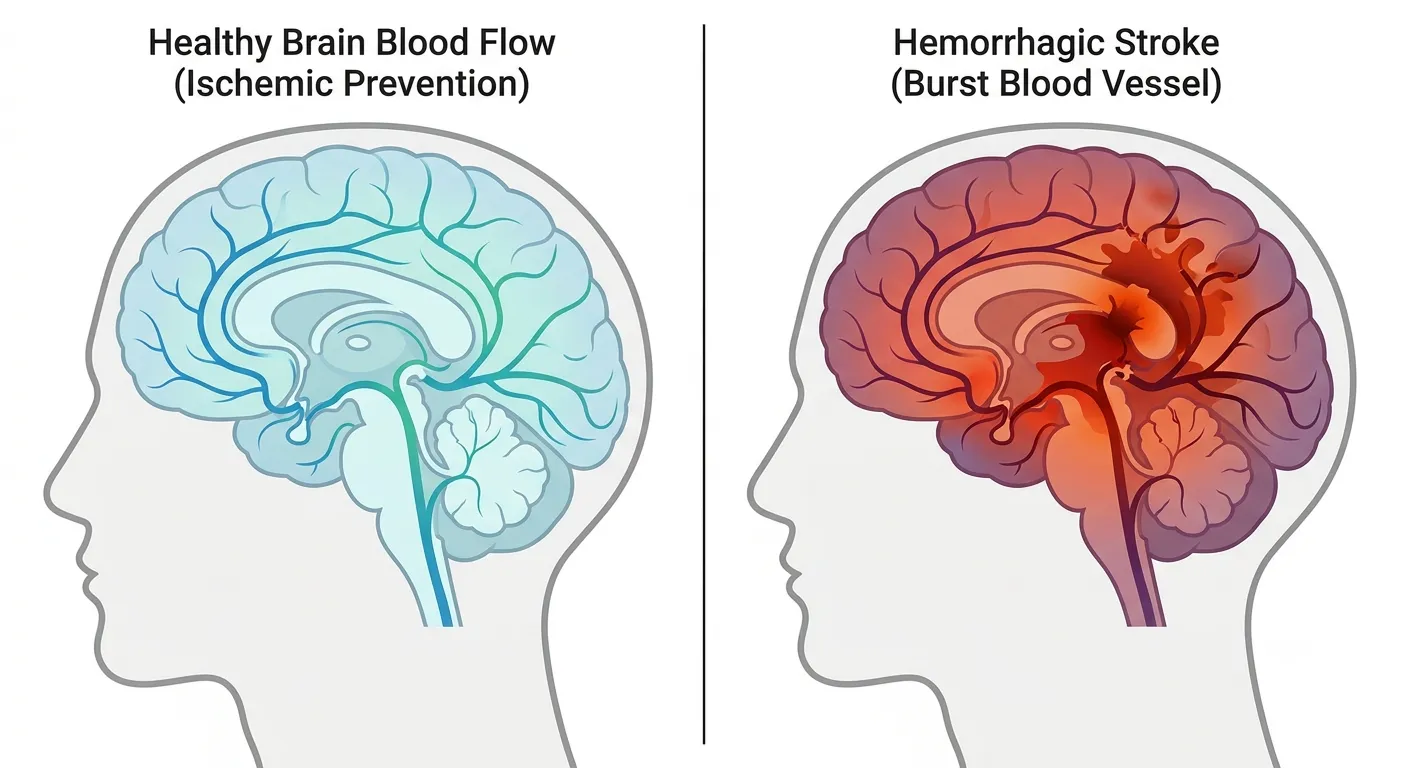
Accounting for roughly 80% of all strokes, this occurs when a blood clot or embolism blocks a cerebral artery, depriving downstream brain cells of oxygen. Rapid clot-dissolving therapy (tPA) is the cornerstone of treatment when caught in time.
Hemorrhagic Stroke (Brain Bleed)
Though responsible for only ~20% of strokes, it carries a higher mortality rate. A weakened vessel — often damaged by long-term hypertension — ruptures, flooding surrounding brain tissue with blood and increasing intracranial pressure.
Transient Ischemic Attack (TIA)
Often called a "mini-stroke," a TIA produces stroke-like symptoms that resolve within 24 hours. Do not be reassured by the recovery: within 90 days of a TIA, 10–15% of patients experience a full stroke — half of those within the first two days.
Every minute that passes without treatment, approximately 1.9 million neurons are irreversibly lost — a figure first published in the journal Stroke and widely cited by the American Heart Association. That number explains, more concisely than anything else, why speed of recognition and response is everything.
Why Family History Raises Your Risk
Having a first-degree relative — parent, sibling — who experienced a stroke meaningfully increases your own likelihood of having one. Genetics influence the tendency to develop hypertension, diabetes, and atrial fibrillation, all of which are direct risk factors for stroke. But it doesn't stop there: shared family environments (diet, smoking habits, physical activity levels) compound the inherited biological risk.
Key Risk Factors to Monitor If You Have a Family History
| Risk Factor | Target / Threshold | Management Approach |
|---|---|---|
| Hypertension | Systolic < 130 mmHg | Low-sodium diet, exercise, medication if needed |
| Diabetes | Fasting glucose < 100 mg/dL | Dietary control, blood glucose monitoring |
| Atrial Fibrillation | Regular ECG screening | Anticoagulant therapy (physician-prescribed) |
| High Cholesterol | LDL < 100 mg/dL (high-risk: < 70) | Dietary fat reduction, statins if indicated |
| Smoking | Complete cessation | Smoking cessation clinic, nicotine replacement |
| Obesity / Abdominal Fat | BMI < 25; waist M < 90 cm / F < 85 cm | Aerobic exercise + dietary improvement |
If a first-degree relative had a stroke before age 65, consider discussing brain MRI/MRA screening with your physician from your 40s onward. Silent brain infarctions — ischemic lesions with no symptoms — can be detected by MRI before any clinical event occurs, opening a window for preventive action.
Key Insight: Modifiable vs. Non-Modifiable Risk Factors
Non-modifiable: Age (65+), sex (higher in males), family history, ethnicity. Modifiable: hypertension, smoking, diabetes, obesity, sedentary lifestyle, excessive alcohol, atrial fibrillation. Even when you carry non-modifiable risks, aggressively managing what you can control offers substantial protection.
Warning Signs: The FAST Rule & Beyond
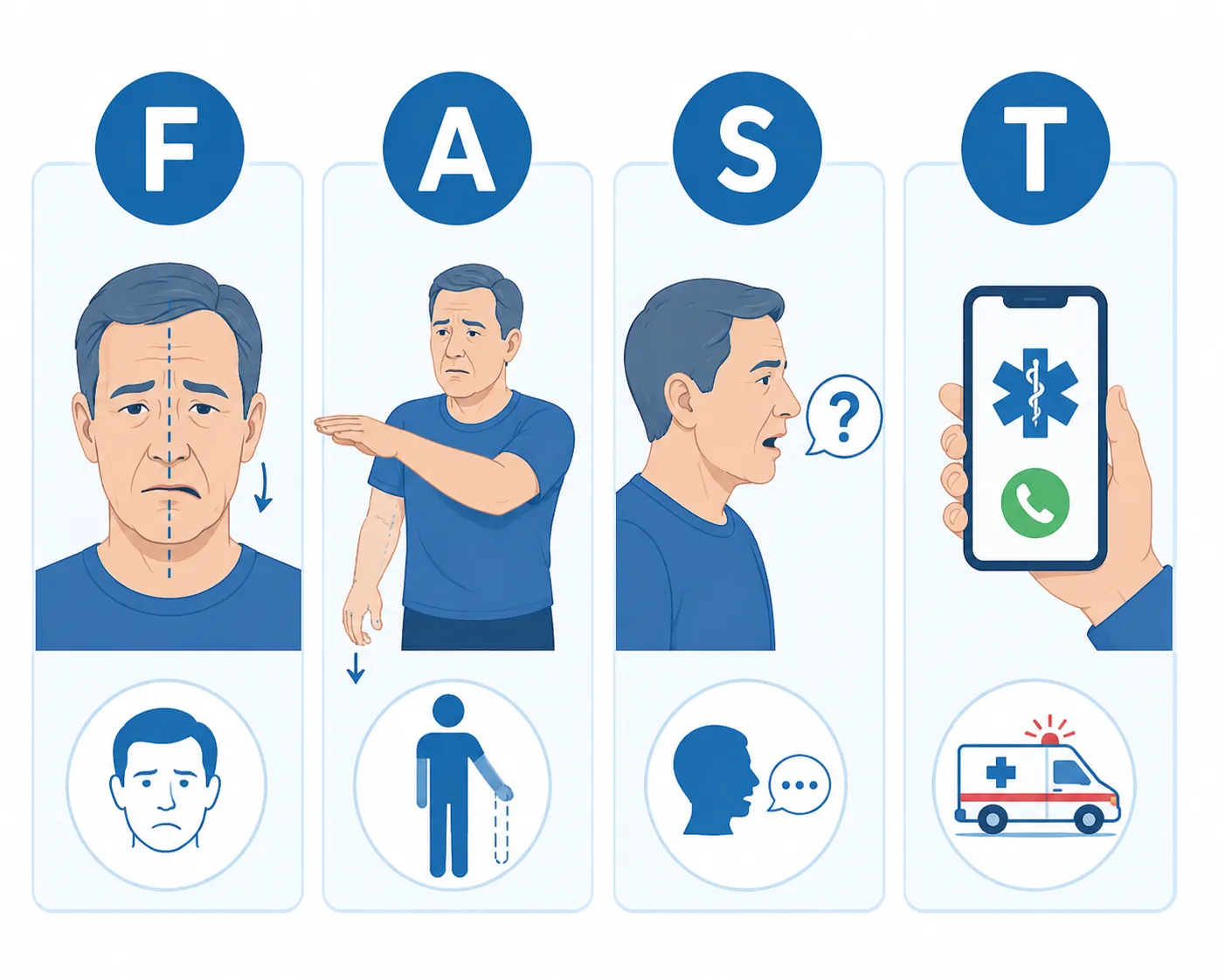
Stroke symptoms characteristically appear suddenly. That word — suddenly — is the diagnostic marker. Not a gradual headache that builds over hours, but an abrupt change that hits like a switch being thrown. The World Stroke Organization endorses the FAST acronym as the most effective public-facing recognition tool.
Additional Warning Signs Beyond FAST
- Sudden loss of vision in one or both eyes, or double vision (diplopia)
- Sudden numbness or weakness on one side of the body — face, arm, or leg
- A thunderclap headache — the "worst headache of my life" — arriving with no warning (common in subarachnoid hemorrhage)
- Sudden severe dizziness, loss of balance, or unexplained falls
- Sudden difficulty swallowing (dysphagia)
- Abrupt confusion, disorientation, or a drop in level of consciousness
If symptoms disappear within minutes, that is not reassurance — it is the definition of a TIA (transient ischemic attack), which carries a 10–15% risk of full stroke within 90 days. Seek emergency evaluation even if you currently feel fine. The window for preventive treatment is short and precious.
Prevention: Lifestyle, Diet & Screening
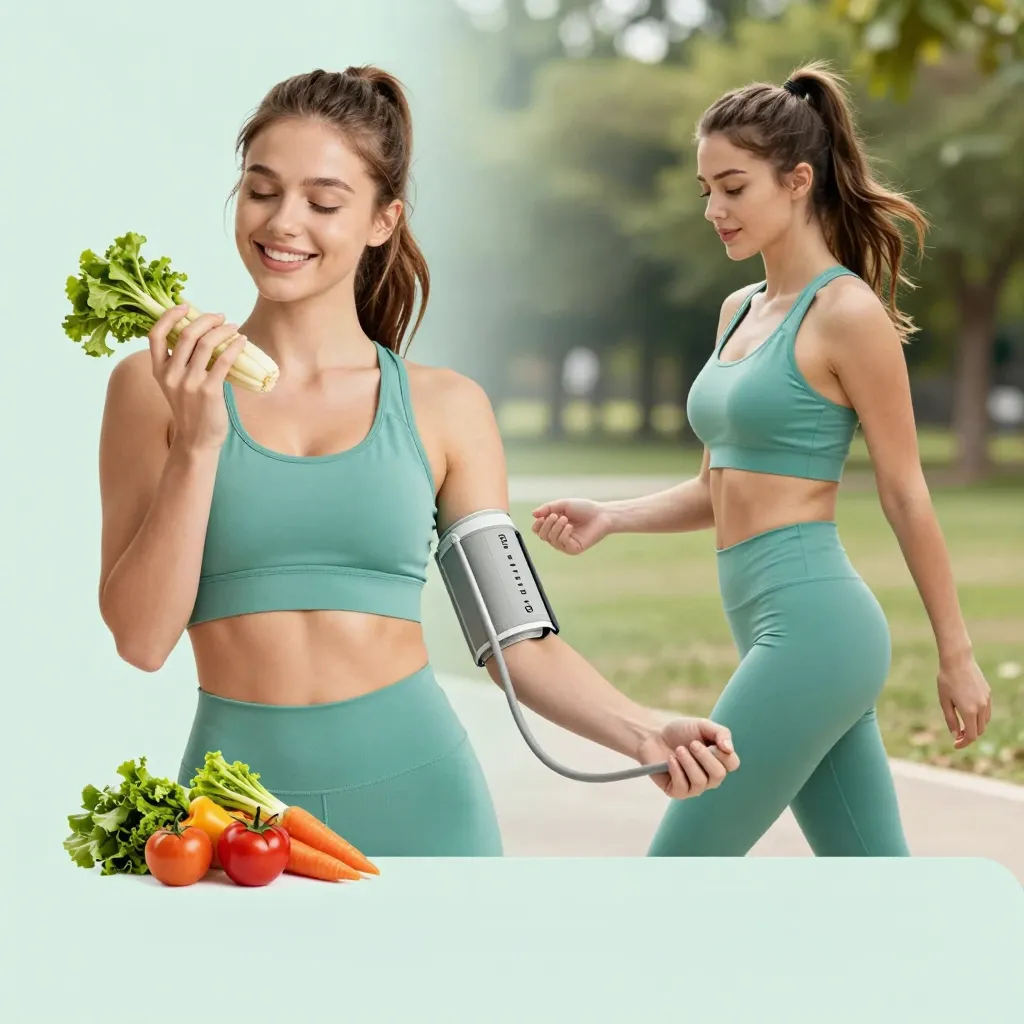
The World Health Organization classifies up to 80% of strokes as preventable. According to WHO's global stroke prevention guidelines, lifestyle modification — rather than medication alone — represents the single most effective first-line prevention strategy.
Dietary Recommendations
| Recommended Foods | Primary Benefit | Foods to Limit |
|---|---|---|
| Fatty fish (salmon, mackerel) | Omega-3s reduce clot formation | Highly salted / cured foods |
| Olive oil | Lowers LDL cholesterol | Trans fats (margarine, fast food) |
| Nuts (walnuts, almonds) | Reduces vascular inflammation & blood pressure | Processed meats (sausage, deli ham in excess) |
| Dark leafy greens (spinach, kale) | Folate & vitamin K protect vessel integrity | Alcohol exceeding 2 drinks/day |
| Berries (blueberries, strawberries) | Antioxidants slow vascular aging | High-sodium instant foods |
Exercise
The American Heart Association recommends at least 150 minutes of moderate-intensity aerobic exercise per week — brisk walking, swimming, or cycling. Research from the Harvard T.H. Chan School of Public Health found that consistent aerobic exercise alone can reduce stroke risk by 25–30%. Even breaking up prolonged sitting with five-minute movement breaks every hour produces measurable cardiovascular benefits.
- 5 days a week: 30 minutes of brisk walking (target 50–70% of maximum heart rate)
- 2+ days a week: resistance/strength training to counter metabolic syndrome
- For desk workers: five-minute movement break every hour — stand, walk, stretch
- If you have hypertension: check blood pressure before and after exercise
Screening Roadmap
| Screening Test | General Recommendation | With Family History |
|---|---|---|
| Blood pressure | At least once a year | Home monitor 2–3x/week |
| Fasting blood glucose | Every 2 years (normal range) | Annual + fasting check |
| Lipid panel (cholesterol) | Every 5 years (normal) | Every 1–2 years |
| ECG (heart rhythm) | Every 2 years from age 40 | Annual (early AFib detection) |
| Brain MRI / MRA | Recommended from age 60 | From age 40 — discuss with doctor |
| Carotid ultrasound | High-risk individuals | Recommended from age 50 |
Emergency Response: The 4.5-Hour Golden Window
For ischemic stroke, the clot-dissolving drug tPA (tissue plasminogen activator) can be administered within 4.5 hours of symptom onset. Mechanical thrombectomy — a minimally invasive procedure to physically remove the clot — extends the treatment window to 6–24 hours in eligible patients. But none of this is possible until the patient reaches a stroke-capable hospital. The entire burden of the golden window rests on how quickly the patient is identified and transported.
What to Do — and What Not to Do — on the Scene
-
1
Call Emergency Services Immediately
Calling an ambulance is faster and safer than driving to the hospital yourself. Paramedics will pre-alert the receiving hospital so that a stroke team is assembled before you arrive. Tell the dispatcher clearly: "I suspect a stroke."
-
2
Record the Exact Time Symptoms Started
tPA eligibility is determined by time of symptom onset. Note the last time the person was known to be normal. If the stroke occurred during sleep, use the time the patient went to bed as the "last known well" time.
-
3
Position the Patient Safely
If conscious, sit them upright at about 30 degrees. If unconscious, place them on their side in the recovery position to keep the airway clear. Do not give food or water — swallowing reflexes may be impaired, creating a choking risk.
-
4
These Actions Can Cause Harm — Avoid Them
Do not give aspirin on your own judgment — if this is a hemorrhagic stroke, aspirin actively worsens the bleed. Do not administer blood pressure medication without physician direction. Folk remedies such as pricking fingers or toes with a needle, or vigorously rubbing limbs, have no evidence base and can delay proper care.
-
5
Request Transport to a Stroke Center
Not all hospitals can administer tPA or perform thrombectomy. Ask the paramedics to take the patient to the nearest Comprehensive Stroke Center or facility with a dedicated Stroke Unit. This single decision dramatically improves outcomes over going to the nearest ER.
Emergency Action Summary
- Confirm FAST symptoms → call emergency services immediately
- Record time symptoms began (last known well)
- No food or water; safe positioning
- No aspirin or blood pressure medication without physician guidance
- Request transport to a Stroke Unit / Comprehensive Stroke Center
Closing: Building a Brain-Healthy Routine Today
Stroke is no longer just a disease of old age. Recent data from South Korea and elsewhere show a steady rise in strokes among adults in their 40s and 50s — driven by chronic stress, sleep deprivation, sedentary lifestyles, and dietary shifts. If you carry a family history, there is no further reason to wait.
Three things you can do starting today:
- Measure your blood pressure. If you don't own a monitor, a pharmacy kiosk will do. Knowing your baseline is step one.
- Start walking. Thirty minutes of brisk walking five days a week improves both blood pressure and blood sugar. It costs nothing.
- Share FAST with your family. The person who first recognizes a stroke is usually a family member or bystander, not a doctor. Teach them what to look for.
Reading this article was a beginning. Stroke arrives suddenly, but the preparation starts now. Block time in your calendar for your next checkup, share this guide with people you care about, and practice FAST until it's automatic. Small actions, consistently taken, build real protection.
This article is intended to provide general health and lifestyle information only. It is not a substitute for professional medical advice, diagnosis, or treatment. If you have a specific medical condition or symptoms, please consult a qualified healthcare provider.