
Waking up twice every night, mentally mapping every restroom before you leave home, finishing in the bathroom but still feeling like you didn't — these aren't just inconveniences, and they're not simply "part of getting older." Nocturia, frequent urination, and residual urine sensation are the hallmarks of urinary dysfunction, a condition that quietly but relentlessly erodes quality of life. This guide unpacks the science behind these symptoms, examines the evidence for popular ingredients like saw palmetto and beta-sitosterol, and gives you a practical, evidence-based roadmap for taking back control — from lifestyle changes to knowing when it's time to call a urologist.
Defining the Terms: Nocturia, Frequency & Residual Urine
Urinary dysfunction (voiding dysfunction) is a broad clinical term covering any abnormality in the storage or expulsion of urine. It spans conditions affecting the bladder, urethra, prostate (in men), and pelvic floor muscles (in women). Epidemiological data consistently show that 30–40% of adult men and 20–30% of adult women experience at least moderate urinary symptoms — figures that climb sharply after age 60.
Nocturia
The International Continence Society (ICS) defines nocturia as waking one or more times per night to void. Two or more episodes per night is considered clinically significant. Repeated sleep fragmentation creates a cascade of daytime fatigue, cognitive impairment, and — particularly in older adults — falls and cardiovascular strain. This makes nocturia far more than a nuisance; it's a legitimate health risk.
Urinary Frequency (Pollakiuria)
Voiding more than eight times in 24 hours, or passing small volumes (under ~200 ml) on each occasion, qualifies as urinary frequency. In many cases the bladder's actual capacity is intact — it's the signaling that's off. The brain receives a "bladder full" message prematurely, typically due to overactive bladder (OAB), where the detrusor muscle contracts involuntarily.
Residual Urine Sensation
The persistent feeling that the bladder hasn't fully emptied after voiding. Clinically, post-void residual (PVR) exceeding 50 ml on ultrasound constitutes objective residual urine, usually caused by bladder outlet obstruction (e.g., BPH or urethral stricture). A subjective sense of incomplete emptying without measurable residual is more often linked to OAB or psychological factors.
Urgency and Urge Incontinence
A sudden, compelling desire to urinate that is difficult to defer is called urgency. When leakage occurs before reaching the toilet, it's urge urinary incontinence — both are cardinal symptoms of OAB. A classic example is the "key-in-lock" phenomenon: the urge surges the moment you get home and touch the door handle.
Root Causes of Urinary Dysfunction
Urinary symptoms rarely have a single cause. Identifying which mechanism is driving your symptoms is the first step toward effective management — and the reason why self-diagnosing based on a supplement advertisement is rarely a good strategy.
| Category | Key Conditions | Who It Affects | Primary Symptoms |
|---|---|---|---|
| Prostate enlargement | Benign prostatic hyperplasia (BPH), prostatitis | Men 50+ | Frequency, weak stream, residual urine |
| Overactive bladder (OAB) | Detrusor overactivity | All adults 40+ | Urgency, frequency, nocturia |
| Hormonal changes | Post-menopausal estrogen loss, decreased ADH | Peri/post-menopausal women, elderly | Nocturia, frequency, stress incontinence |
| Urinary tract infection (UTI) | Cystitis, urethritis | Women (much more common) | Frequency, dysuria, residual sensation |
| Neurological disorders | Diabetic neuropathy, spinal cord injury, Parkinson's, MS | Diabetics, neurological patients | Variable — loss of voiding control |
| Nocturnal polyuria | Heart failure, CKD, sleep apnoea, excessive evening fluid | Elderly, patients with comorbidities | Nocturia with large volumes |
| Pelvic floor weakness | Post-partum injury, age-related atrophy | Post-partum women | Stress incontinence, frequency |
| Medications | Diuretics, caffeine, alcohol, some antihypertensives | Users of relevant medications | Frequency, nocturia |
Benign Prostatic Hyperplasia (BPH): The Male Equation
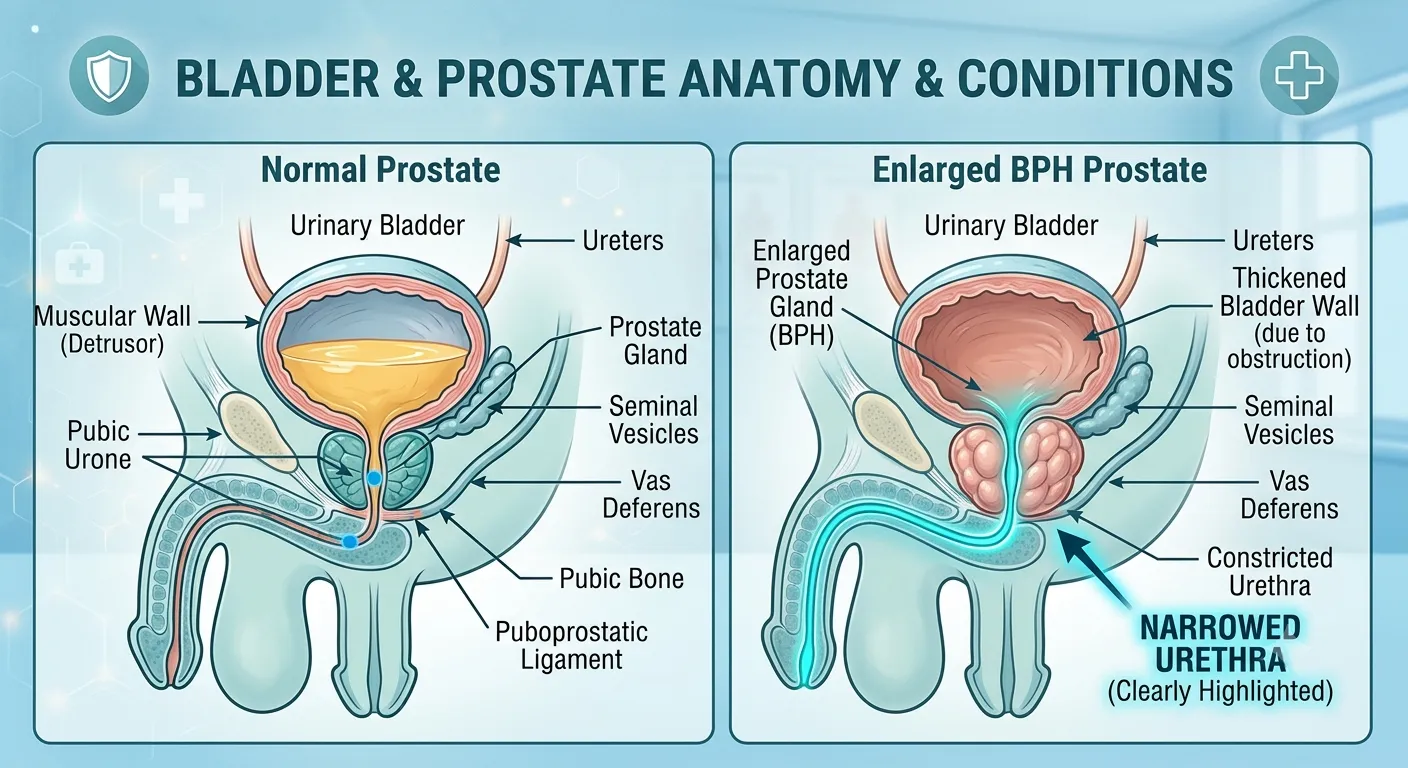
International epidemiological data consistently show BPH histological changes in around 50% of men in their 50s and 70% of men in their 70s. Because the prostate wraps around the urethra just below the bladder, glandular enlargement narrows the urethral lumen and triggers compensatory bladder wall thickening. The result is the Lower Urinary Tract Symptom (LUTS) cluster: frequency, nocturia, weak stream, straining, and residual urine. Left untreated, severe BPH can lead to acute urinary retention, hydronephrosis, and kidney damage — which is why active management matters.
Overactive Bladder: The Female Perspective
OAB affects an estimated 15–20% of women over 40 in South Korea, with prevalence rising sharply after menopause. Estrogen loss thins and desensitises the urethral and bladder lining, making them more prone to involuntary contractions at lower fill volumes. Many women tolerate these symptoms for years without seeking care — a missed opportunity, given that first-line behavioral treatments are highly effective.
Lifestyle Triggers That Make Things Worse
Even without an underlying pathology, everyday habits can significantly worsen urinary frequency. Before reaching for any supplement, it pays to audit your lifestyle first — the payoff can be substantial and immediate.
Common Lifestyle Drivers of Frequent Urination
- ✗ Excessive caffeine: Coffee, tea, and energy drinks are both diuretics and direct bladder irritants. Above ~300 mg/day (roughly two standard espressos), frequency and urgency measurably worsen.
- ✗ Alcohol: Suppresses antidiuretic hormone (ADH), increasing urine production while simultaneously irritating the bladder — a double driver of nocturia.
- ✗ Carbonated drinks and acidic juices: Orange, grapefruit, and tomato juice are high-acid beverages that irritate the bladder lining. Carbonation adds mechanical distension. Both worsen urgency and frequency.
- ✗ Large evening fluid loads: Drinking significant volumes within 2–3 hours of bedtime predictably generates high nocturnal urine output. Spreading fluid intake across the day is the simple fix.
- ✗ Spicy food and artificial sweeteners: Capsaicin and sweeteners like aspartame act as bladder irritants, triggering urgency and frequency in susceptible individuals.
- ✗ Precautionary voiding ("just in case"): Habitually voiding before the bladder is full teaches the bladder to signal at lower volumes, progressively reducing functional capacity. This is one of the most common and correctable contributors to frequency.
- ✗ Obesity and central adiposity: Excess abdominal weight directly compresses the bladder and disrupts ADH secretion patterns, worsening frequency and nocturia.
- ! Medications: Loop diuretics, some antidepressants, calcium channel blockers, and antihistamines all affect voiding. If you're on any of these, discuss alternatives with your prescriber before trialling supplements.
"Bladder training alone improves voiding frequency in 50–80% of patients with urgency frequency syndrome and can be as effective as drug therapy in mild to moderate OAB." – European Association of Urology (EAU) OAB Guidelines
Saw Palmetto: Ingredients, Mechanisms & Evidence
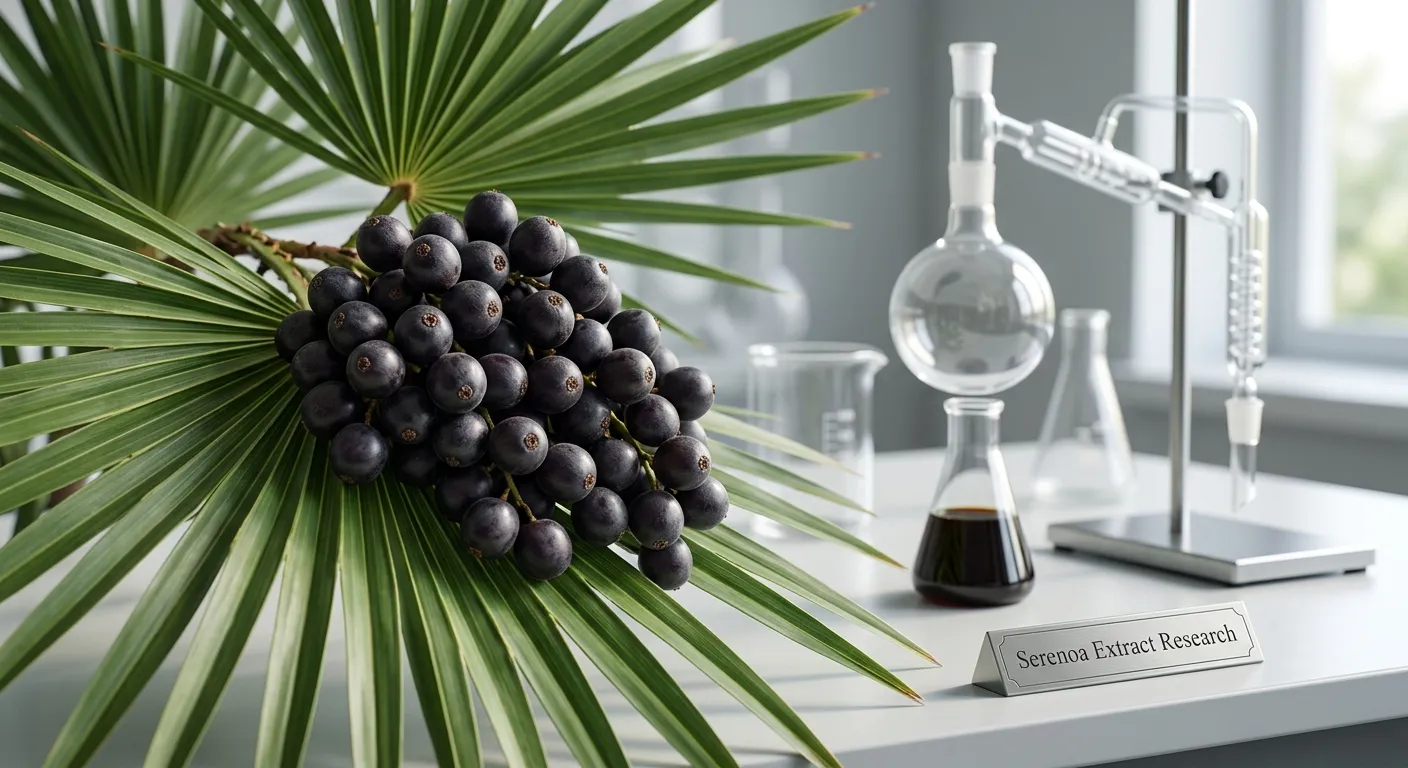
Saw palmetto (Serenoa repens) is a small fan palm native to the southeastern United States and the Caribbean. Its berry extract is arguably the most extensively studied herbal remedy for prostate and urinary health worldwide, with a pharmacological profile involving multiple overlapping mechanisms.
How Saw Palmetto Works
- ✓ 5α-reductase inhibition: The extract's fatty acids inhibit the enzyme that converts testosterone into the far more potent DHT (dihydrotestosterone) within prostate tissue. Since DHT is the primary driver of prostatic cell proliferation, reducing its local concentration slows enlargement.
- ✓ Anti-inflammatory activity: Phytosterols and fatty acids in the extract inhibit COX-1 and COX-2 enzymes, reducing inflammatory signaling in the prostate and periurethral tissue.
- ✓ Alpha-1 adrenergic receptor antagonism: Some studies report partial alpha-1 blockade at the bladder neck and prostatic smooth muscle, relaxing the outlet and improving urine flow — the same mechanism exploited by prescription alpha-blockers like tamsulosin, albeit less potently.
- ✓ Anti-androgenic receptor binding: The extract partially competes with DHT for binding to intracellular androgen receptors in prostatic cells, further reducing proliferative signaling.
What the Clinical Evidence Actually Shows
The evidence picture is nuanced. A landmark Cochrane systematic review found that standardised saw palmetto extract did not significantly outperform placebo when trials were pooled — a finding that generated considerable debate. European regulatory bodies, including Germany's Commission E and the European Medicines Agency (EMA), reached a different conclusion: they formally recognise well-standardised extracts (≥85–95% fatty acids) for the relief of mild-to-moderate LUTS associated with BPH. The divergence likely reflects variability in extract standardisation across studies, rather than a fundamental lack of activity.
Safety Profile and Drug Interactions
Saw palmetto is generally well-tolerated. Reported side effects — mild gastrointestinal upset, headache, dizziness — occur rarely and are usually transient. Two notable cautions apply: the extract has antiplatelet and anticoagulant properties, so co-administration with warfarin, aspirin, or other blood thinners warrants medical supervision. Additionally, saw palmetto may suppress PSA (prostate-specific antigen) levels, which could mask an abnormal result on prostate cancer screening; always inform your physician if you take it before a PSA test.
Saw Palmetto in a Nutshell
Saw palmetto operates via 5α-reductase inhibition, anti-inflammatory activity, and partial alpha-receptor blockade. Use a standardised extract (≥85% fatty acids) at 320 mg/day. It is a supportive supplement, not a replacement for medical evaluation of significant urinary symptoms.
Compound Prostate Supplements: Ingredients & Price Reference
A wide range of branded compound supplements targeting prostate and urinary health are marketed under various names. The most common formula stacks saw palmetto extract + zinc + lycopene + beta-sitosterol, sometimes adding pumpkin seed extract and Pygeum africanum. Here's what the science says about each ingredient in that combination.
Ingredient-by-Ingredient Evidence Summary
| Ingredient | Proposed Role | Evidence Base | Regulatory Status |
|---|---|---|---|
| Saw palmetto extract | 5α-reductase inhibition, anti-inflammatory | Multiple RCTs; EMA/Commission E support for standardised extract | ✅ Recognised (EU, Germany) |
| Zinc | Maintains prostatic zinc levels; antioxidant | Prostate tissue concentrates zinc at higher levels than most organs; depletion linked to inflammation | ✅ Recognised antioxidant / immune function |
| Lycopene | Antioxidant, prostate cell protection | Epidemiological data link higher tomato intake to lower prostate cancer risk; mechanistic studies promising | ✅ Recognised antioxidant |
| Beta-sitosterol | LUTS symptom relief, improved flow, residual reduction | Cochrane review confirmed improved Qmax and reduced PVR vs. placebo | ⚠️ Verify jurisdiction-specific status |
| Pumpkin seed extract | Pelvic floor support, OAB suppression | Some small positive RCTs in OAB; evidence still emerging | ⚠️ Verify jurisdiction-specific status |
| Pygeum africanum | BPH symptom reduction, anti-inflammatory | Cochrane review found significant LUTS improvement vs. placebo | ⚠️ Verify jurisdiction-specific status |
Supplement Price Reference (Korea Market, 2026)
Branded compound supplements containing saw palmetto and related ingredients are widely available through Korean online retailers, health food stores, and pharmacies. Pricing varies significantly by brand, ingredient quality, and whether the product carries official functional food certification.
Approximate Price Ranges — Korean Market Reference
* Prices are approximate market ranges as of 2026 and vary by manufacturer, retailer, and formulation. Always verify ingredient standardisation and regulatory certification before purchasing.
What to Check Before You Buy
- ✓ Regulatory certification: In Korea, look for the official 건강기능식품 (Health Functional Food) mark and an approved functionality claim. In Western markets, verify NSF, USP, or equivalent third-party testing.
- ✓ Saw palmetto standardisation: Confirm the label states "standardised to ≥85% fatty acids" and a daily dose of 320 mg. Generic "berry powder" listings without standardisation data are unreliable.
- ✓ GMP-certified manufacturing: Good Manufacturing Practice certification means the facility meets quality control standards — a baseline requirement for any supplement worth taking.
- ✓ Reject exaggerated claims: Language like "cures BPH," "eliminates urinary problems immediately," or "reverses prostate enlargement" exceeds what any supplement is permitted to claim for good reason — none of them can do this.
- ! Drug interactions: If you're already on finasteride, dutasteride, or an alpha-blocker (tamsulosin, etc.), consult your prescribing physician before adding saw palmetto — the mechanisms partially overlap.
These ingredients work via different mechanisms — saw palmetto primarily through 5α-reductase inhibition and anti-androgens, beta-sitosterol via cholesterol-based binding to androgen receptors and anti-inflammatory pathways. The 2000 Cochrane review for beta-sitosterol found statistically significant improvements in peak urinary flow rate and post-void residual. Both ingredients complement rather than duplicate each other, which is why they commonly appear together in compound formulas.
Evidence-Based Lifestyle Strategies
The EAU and the American Urological Association (AUA) both position lifestyle modification as the first-line intervention for LUTS management — ahead of medication. The evidence is strong, the side-effect profile is zero, and the gains are often rapid. Here's how to implement it.
Bladder Training
Bladder training is the most strongly recommended non-pharmacological treatment for OAB and frequency. The principle is simple: progressively extend the intervals between voids to restore functional bladder capacity.
-
Start a Voiding Diary (Week 1–2) Record every void: time, approximate volume, fluid intake, and urgency rating (1–4). This baseline gives you objective data to work from and helps identify patterns (peak frequency times, trigger beverages, etc.).
-
Set Your Starting Interval Calculate your current average time between voids from the diary. Set a target 15–30 minutes longer. If you're going every 60 minutes, aim for 75–90 minutes initially.
-
Practice Urge Suppression When urgency strikes before your target interval, don't rush to the bathroom. Stop walking, sit if possible, contract the pelvic floor (Kegel), breathe slowly, and wait for the urge wave to subside — it almost always does within 60–90 seconds. This is the key training stimulus.
-
Progressively Lengthen Intervals Every 1–2 weeks, extend the target interval by another 15–30 minutes. The goal is comfortably reaching 2.5–3.5 hours between daytime voids. Most patients see meaningful improvement within 6–12 weeks.
Pelvic Floor Exercises (Kegel Training)
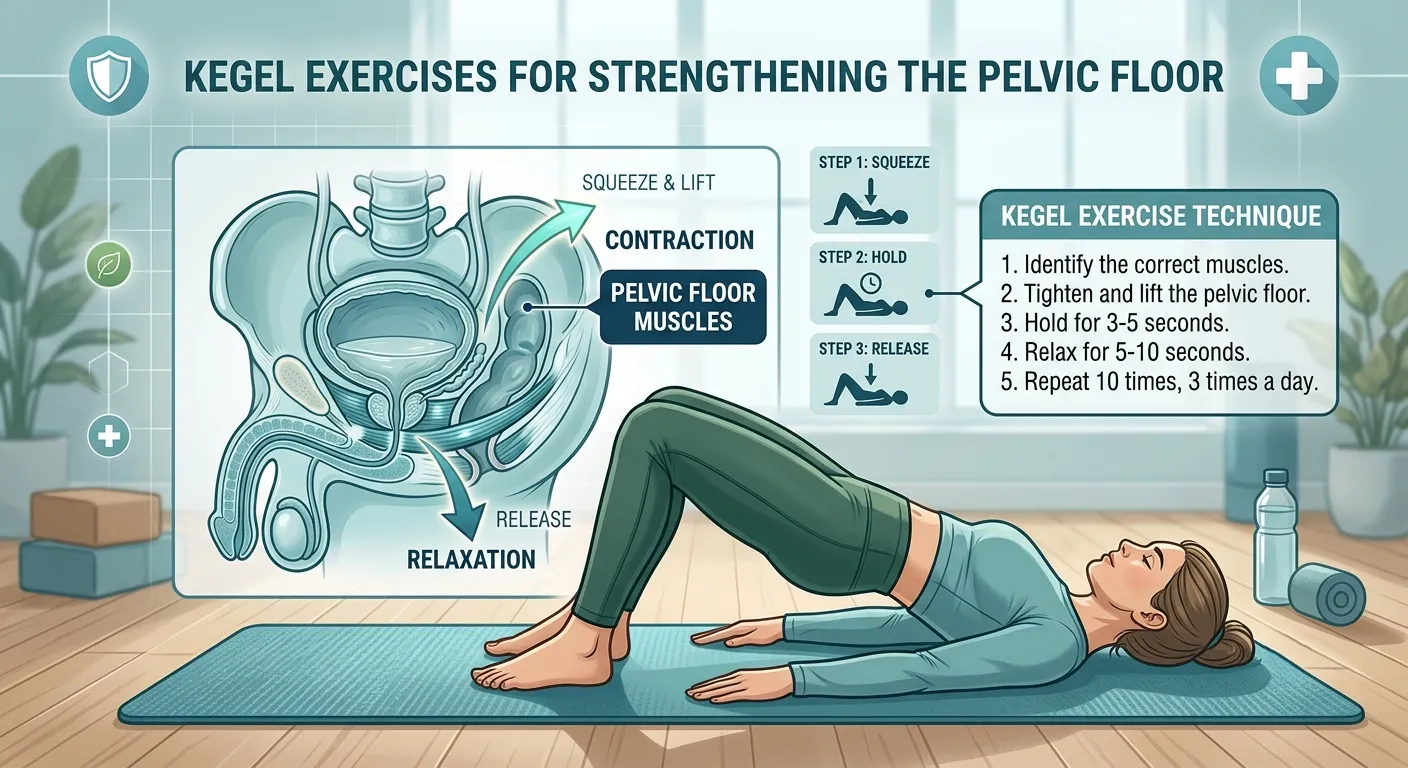
Kegel exercises strengthen the external urethral sphincter and pelvic floor musculature, providing better voluntary control over voiding. The American College of Obstetricians and Gynecologists recommends them as a first-line treatment for urinary incontinence in women. For men, they are standard post-prostatectomy rehabilitation and increasingly recognised as beneficial for OAB.
How to Do Kegel Exercises Correctly
-
Identify the Right Muscles The pelvic floor muscles are the ones you squeeze to stop the flow of urine midstream. Practise isolating them without simultaneously tightening the buttocks, thighs, or abdomen — those are common compensatory mistakes.
-
Contract–Hold–Release Squeeze for 3–5 seconds, hold, then relax for an equal or longer period. If you can't hold for 3 seconds at first, that's fine — start where you are.
-
Build Volume Gradually Aim for 10 repetitions per set, 3 sets per day. Consistency matters more than intensity. Results typically appear after 8–12 weeks of regular practice.
-
Vary Your Position Start lying down (easiest), then progress to seated, then standing. Once comfortable standing, you can do them anywhere — commuting, at your desk, in a queue.
Diet and Lifestyle Summary Table
| Factor | Recommendation | Rationale |
|---|---|---|
| Daily fluid intake | 1.5–2 L/day; reduce after 7 PM | Reduces nocturnal urine volume |
| Caffeine | <200 mg/day (~1 standard coffee) | Minimises diuretic and irritant effect |
| Alcohol | Minimise or eliminate | ADH suppression → nocturnal polyuria |
| Body weight | Target BMI <25 | Reduces bladder compression; improves hormonal balance |
| Constipation prevention | High-fibre diet, adequate hydration, regular bowel habits | Rectal distension compresses the bladder |
| Sleep position (leg oedema) | Elevate legs in the evening; compression stockings if advised | Mobilises daytime oedema before bedtime → reduces nocturnal urine load |
| Physical activity | ≥150 min/week aerobic + pelvic floor training | Improves circulation, bladder tone, and OAB symptom burden |
| Smoking | Cessation strongly recommended | Bladder cancer risk ↑; chronic cough worsens stress incontinence |
Red Flags: When to See a Doctor
Most urinary symptoms respond well to lifestyle management and appropriate supplements. But certain signs demand prompt or urgent medical evaluation. Don't let normalisation bias — or embarrassment — delay care when these appear.
Seek Urgent Medical Care If You Have:
- ! Haematuria (blood in the urine): Even a single episode, even painless. It can indicate bladder cancer, kidney stones, kidney cancer, or infection. This is never "fine to watch and wait."
- ! Acute urinary retention (complete inability to void): A urological emergency requiring immediate catheterisation. Prolonged retention causes bladder wall damage and acute kidney injury.
- ! Severe dysuria with high fever: Points to ascending infection — pyelonephritis or urosepsis. Delayed treatment can be life-threatening.
- ! Sudden loss of bladder control accompanied by leg weakness or numbness: May indicate cauda equina syndrome or acute spinal cord compression — a surgical emergency.
- ! Elevated PSA on a health screening: Requires specialist evaluation to rule out prostate cancer before any supplement regimen is started (and saw palmetto may suppress PSA, complicating monitoring).
Schedule a Urology Appointment If:
- △ Nocturia occurs 3+ times per night, or urgency/frequency disrupts daily life for more than 2 weeks.
- △ Residual urine sensation persists alongside a noticeably weakened or intermittent urinary stream.
- △ New-onset urinary incontinence, or existing incontinence that's worsening.
- △ No meaningful improvement after 3 months of consistent lifestyle modification and appropriate supplementation.
- △ Men aged 50+ experiencing urinary symptoms for the first time (baseline PSA + LUTS assessment recommended).
Most urology clinics start with the International Prostate Symptom Score (IPSS) questionnaire — a validated 7-question tool that quantifies symptom severity and quality-of-life impact in about 3 minutes. This is typically followed by a uroflowmetry test (timed urine flow measurement) and a post-void residual ultrasound. Together these three steps give the specialist everything needed to classify your symptoms and propose a targeted management plan. The entire initial evaluation usually takes under an hour.
Key Takeaways
Urinary dysfunction is not an inevitable, untreatable side effect of ageing. It is a manageable clinical condition with well-understood mechanisms and evidence-based interventions across the spectrum from self-help to surgery. Saw palmetto and related compound supplements have a legitimate, if adjunctive, role — but only when chosen wisely and used in context.
The 5 Principles of Effective Urinary Health Management
- 1 Identify the mechanism first: OAB, BPH, UTI, nocturnal polyuria, and pelvic floor weakness all present similarly but require different approaches. Diagnosis before supplementation is always more efficient.
- 2 Lifestyle is the foundation: Bladder training and pelvic floor exercises can match drug therapy in mild-to-moderate OAB. They cost nothing and have no side effects.
- 3 Know what you're taking: Choose standardised saw palmetto (≥85% fatty acids, 320 mg/day), verified beta-sitosterol, and products with regulatory certification. Generic berry powders are not equivalent.
- 4 Commit to 8–12 weeks: Neither bladder training nor herbal supplements deliver overnight results. Track your voiding diary over 2–3 months to objectively gauge progress.
- 5 Don't ignore the red flags: Blood in the urine, complete inability to void, high fever with dysuria, or sudden neurological symptoms need medical attention now, not after you finish your supplement bottle.
Urinary health is deeply tied to overall quality of life — sleep, confidence, social participation, and even cardiovascular health all connect back to how well your bladder is managed. The stigma and embarrassment that keep so many people suffering in silence are the real enemies here. With the right information and a proactive approach, meaningful improvement is genuinely achievable for the vast majority of people experiencing these symptoms.