
Denmark consistently ranks among the world's happiest countries — but happiness, it turns out, comes with a price tag. If you're considering moving to Copenhagen or any Danish city, you've probably already felt the sticker shock creeping in. A coffee costs €7. A one-bedroom apartment in the city centre can set you back €1,800 a month. And yet, expats who make the leap often say they wouldn't go back. This guide cuts through the noise and gives you the real, honest numbers — category by category — so you can plan a realistic budget before you land.
🌿 Why Is Denmark So Expensive?
Denmark's high cost of living isn't simply a North European quirk — it's structural. The tax system is among the world's most progressive, with effective income tax rates hitting 37–52% depending on income level. Those taxes fund a comprehensive welfare state: universal healthcare, free education through university, generous parental leave, unemployment benefits, and some of the finest public infrastructure on the planet.
The other major driver is labour costs. Denmark has no statutory minimum wage, but collective bargaining agreements push effective minimums to around DKK 120–160 per hour (≈ €16–21). Every café latte, haircut, and taxi ride reflects those wages. It's why a simple sit-down lunch can hit €25 without even trying.
💡 The key insight: Denmark is expensive, but so are the wages and benefits. Numbeo 2026 data places Denmark as Europe's 4th most expensive country. Copenhagen alone ranks in the world's top 10 priciest cities. But the average net salary of DKK 34,849/month (≈ €4,666) is competitive globally. When you factor in zero medical bills, free university education, and robust social safety nets, the effective "real cost" shifts considerably.
Within Denmark, there's also a meaningful urban-rural divide. Copenhagen's costs run 20–35% above those of Aarhus, Odense, or Aalborg. Choosing where you live is arguably the single biggest financial decision you'll make in Denmark.
🏠 Housing: The Big One
Rent is the lion's share of any Danish budget. Copenhagen's rental vacancy rate sits below 2% citywide — and even lower in popular central neighbourhoods — meaning well-priced flats are snapped up within hours of listing. As of early 2026, the average monthly rent for a studio in Copenhagen is around DKK 10,500 (≈ €1,406), while a one-bedroom typically runs DKK 14,000 (≈ €1,875).
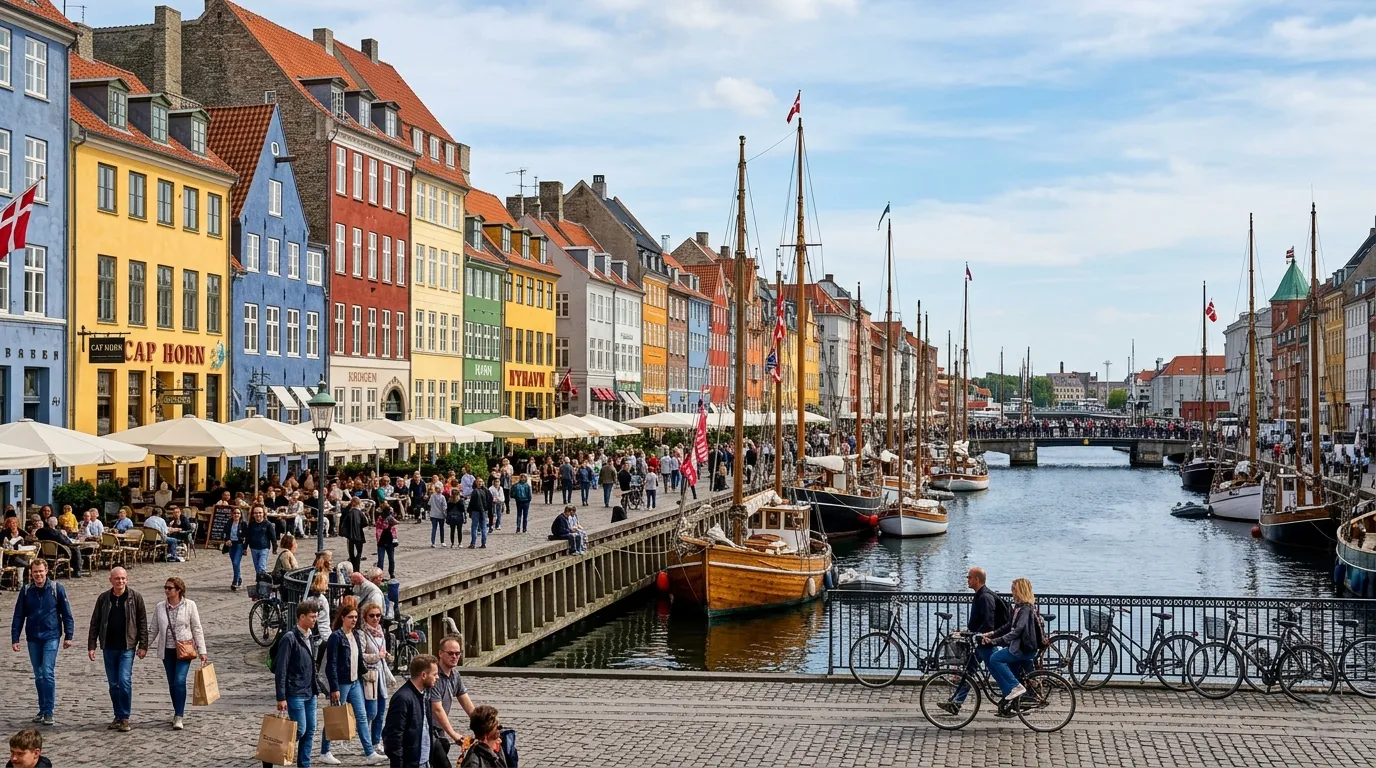
Copenhagen Rent by Neighbourhood (2025–2026)
| Neighbourhood | Studio / 1-room | 1-Bedroom | 2-Bedroom |
|---|---|---|---|
| Indre By (City Centre) | DKK 12,000+ | DKK 15,000–18,000 | DKK 20,000–25,000 |
| Frederiksberg | DKK 9,500–11,000 | DKK 14,000–17,000 | DKK 18,000–24,000 |
| Østerbro | DKK 8,000–10,000 | DKK 12,000–16,000 | DKK 18,000–22,500 |
| Vesterbro | DKK 7,200–9,500 | DKK 11,000–14,000 | DKK 15,600–19,000 |
| Nørrebro | DKK 6,500–9,000 | DKK 10,000–13,500 | DKK 14,000–18,000 |
| Amagerbro | DKK 6,000–8,500 | DKK 9,000–12,000 | DKK 12,000–16,000 |
| Copenhagen Suburbs | DKK 5,000–7,500 | DKK 8,000–12,000 | DKK 10,000–15,000 |
⚠️ Upfront cost warning: Danish landlords commonly require a deposit of 3 months' rent plus 1 month's rent in advance. For a DKK 12,000 flat, that's DKK 48,000 (≈ €6,430) before you even unpack. Most flats are rented unfurnished — no light fixtures, no appliances — so budget separately for basic furniture. Shopping at second-hand stores like Finn.dk or local loppemarked (flea markets) is the smart way to kit out your first flat.
The Danish Rent Act (Lejeloven) offers robust tenant protections once you're in — landlords can't arbitrarily raise rents or terminate leases. The hard part is getting a place. Use platforms like BoligPortal, Lejebolig, and Akutbolig. Enable alerts, respond within hours of a listing going live, and consider arriving in Denmark with short-term accommodation booked while you search in person. Avoid moving during August–September peak demand. Rents have been rising 3–8% annually — locking in early is a real financial advantage.
Rent vs. House-Sharing
A solo studio runs DKK 8,000–12,000/month, but sharing a 2-bedroom with a flatmate brings your share down to DKK 6,000–9,000 — often cheaper per person than a studio. Denmark has a well-established co-living culture called Bofællesskab (literally "living community"), where residents have private rooms but share kitchen, living room, and bathrooms. It's a practical way to cut costs and build social connections — especially valuable when you first arrive and don't know many people.
🛒 Food: Supermarkets to Michelin Stars
Food costs in Denmark split sharply between cooking at home and eating out. Denmark has 28 Michelin-starred restaurants and one of the world's most celebrated food scenes — but you can also eat well on a tight budget if you know how. Home cooking for a single person typically runs DKK 2,000–3,200/month (≈ €268–429). Dining out regularly can easily triple that.
Typical Supermarket Prices
- 🥛 Milk (1L): DKK 8–12
- 🥚 Eggs (12): DKK 30–45
- 🍞 Bread loaf: DKK 20–35
- 🍗 Chicken breast (1kg): DKK 50–80
- 🥩 Pork (1kg): DKK 60–90
- 🧀 Cheese (400g): DKK 35–55
- 🍝 Pasta (500g): DKK 10–18
- 🍅 Tomatoes (1kg): DKK 20–35
- 🍺 Beer (can): DKK 15–25
Eating Out Price Guide
- ☕ Café coffee: DKK 35–55
- 🌯 Fast food meal: DKK 80–120
- 🍽️ Casual restaurant (1 person): DKK 150–250
- 🥘 Street food / food hall: DKK 100–150
- 🍣 Mid-range (2 people, 3 courses): DKK 700–1,000
- 🍻 Beer at a bar: DKK 55–85
- 🍕 Delivered pizza (large): DKK 140–200
Denmark's Supermarket Landscape
Denmark's most widespread discount chain. Strong own-brand range.
Norwegian-owned. Excellent fresh food quality for the price.
German discounters. Fruit, veg & meat consistently cheapest.
Hypermarket format. Good for weekly bulk shops.
Cooperative model. Strong local and organic selection.
Denmark's upmarket grocer. Best for fair-trade & premium produce.
✅ Pro tip — End-of-day markdowns: Danish supermarkets discount perishables aggressively in the final 1–2 hours before closing. Visit around 7–9 PM and you'll find 30–50% reductions on bread, meat, dairy, and vegetables. Combine this with the Too Good To Go app (a Danish invention) that lets you buy surplus food from cafés and bakeries for around DKK 30–60 per bag — a genuinely life-changing budget hack.
🚴 Transport: The Cycling Kingdom
Denmark takes its cycling seriously. In Copenhagen, over 50% of residents cycle to work year-round — including in winter. An extensive network of dedicated cycling lanes makes biking fast, safe, and far cheaper than any alternative. A second-hand bike from Finn.dk or a local flea market costs DKK 500–2,000, and paired with a solid lock (budget DKK 200–400 — bike theft is common), it pays for itself in transport savings within weeks.
Public Transport (Copenhagen)
- 🚇 Single ticket (2 zones): DKK 24
- 🎫 10-trip card: DKK 200–240
- 📅 Monthly pass (2 zones): DKK 430–520
- 📅 Monthly pass (all zones): DKK 820+
- 🌟 Annual pass discount: ~10–15% saving
- 🇩🇰 Copenhagen Card: includes transport + attractions
Owning a Car
- 🚗 New car average: €24,300 + registration tax
- ⛽ Petrol (1L): ≈ €2.04
- 🛡️ Annual car insurance (small): €450–765
- 🏙️ Copenhagen parking (1hr): DKK 25–50
- ⚡ EV registration tax deduction: DKK 20,700 (phasing out by 2030)
- 🚌 Verdict: avoid in cities if possible
Denmark deliberately structures its registration tax to discourage car ownership — for private petrol/diesel cars it can add 85–150% on top of the vehicle value. The policy works: Copenhagen's public transport is world-class, and cycling infrastructure makes car-free living entirely practical in any Danish city. Outside major cities, a car becomes much more useful, particularly in rural Jutland.
⚡ Utilities: Electricity, Heating & Internet
Danish rental contracts almost never bundle utilities — electricity, district heating, water, waste, internet, and mobile are all separate bills on top of your rent. Denmark has some of the highest electricity prices in the world (heavily taxed to fund renewables), and winter heating bills can be eye-opening.
| Utility | DKK/month | EUR equiv. | Notes |
|---|---|---|---|
| Electricity | 600–1,000 | €80–134 | Summer; up to 2× in winter |
| District heating (Fjernvarme) | 400–800 | €54–107 | Nov–Mar can spike sharply |
| Water & sewage | 150–300 | €20–40 | Varies by building |
| Waste collection | 100–200 | €13–27 | Shared building cost |
| Internet (60 Mbps+) | 250–300 | €33–40 | One of Denmark's cheaper bills |
| Mobile plan (data + calls) | 100–200 | €13–27 | Requires CPR number for contracts |
| Building maintenance (Fællesudgifter) | 300–800 | €40–107 | Common area upkeep |
| Utilities total (85 m² flat) | 1,900–3,600 | ≈ €254–482 | Winter peak estimate |
❄️ Winter heating reality check: Denmark's winters run October–April. Old buildings with poor insulation can rack up DKK 1,500–2,500/month in heating alone. Before signing a lease, always check the building's Energimærke (energy rating, A–G). An A or B rating saves you hundreds of DKK every winter month.
Internet is, paradoxically, one of Denmark's better-value services — speeds are fast and prices are reasonable by European standards. Budget mobile plans (Lebara, Oister, CBB) start around DKK 79–129/month with decent data allowances once you have a CPR number. Use Elpris.dk to compare electricity suppliers and switch to the cheapest — it's legal, simple, and can save DKK 1,000–3,000 per year.
🎭 Leisure & Dining Out
The Danish concept of Hygge — pronounced hoo-gah — is central to understanding how Danes spend their leisure time. It describes a particular quality of cosiness and convivial togetherness: candles, warm drinks, good food, and close company. Hygge is often practised at home rather than in restaurants, which conveniently keeps costs down. Danes invite friends over for dinner rather than dining out together, making generous home-cooking a social norm rather than a budget compromise.
Culture & Entertainment
- 🎬 Cinema ticket: DKK 120–150
- 🏛️ Museum entry: free to DKK 175 (National Museum free Wednesdays)
- 🎡 Tivoli Gardens: DKK 145–175
- 🏋️ Gym membership: DKK 200–500/month
- 📚 Public library: free with CPR number
- 🎵 Concert/show: DKK 200–1,500+
Everyday Costs
- 💇 Haircut (basic): DKK 200–400
- 👕 T-shirt (H&M): DKK 100–200
- 💊 OTC paracetamol: DKK 40–80
- 🧹 Cleaning service (2hrs): DKK 400–600
- 📺 Netflix subscription: DKK 99–179
- 🐾 Vet visit (basic): DKK 400–800
Copenhagen has excellent free attractions — the Botanical Garden, the Little Mermaid, Nyhavn waterfront walks, Frederiksberg Garden, and the city's spectacular cycling culture itself. Plan leisure spending of DKK 1,000–3,000/month depending on lifestyle. The city's food hall at Torvehallerne and the Reffen street food market offer quality Danish food at more accessible prices than sit-down restaurants.
The Minimum Viable Salary
Expats in online communities consistently cite DKK 15,000–18,000 net/month (≈ €2,000–2,400) as the floor for a decent single-person life in Copenhagen — achievable via house-sharing, cycling, and home cooking. In regional cities like Aarhus or Odense, DKK 12,000–15,000 net is workable. For a comfortable life with dining out, travel savings, and some financial breathing room, target DKK 25,000+ net.
🏥 Healthcare: The Surprising Perk
Healthcare is one of Denmark's most compelling financial advantages for long-term residents. Once you have a CPR number (the national personal identification number, obtained upon registering your address), you're enrolled in Denmark's tax-funded healthcare system — the Sygesikringen. That means free GP visits, free hospital care, free emergency treatment, and free specialist referrals. For most common health needs, your annual medical costs are essentially zero.
✅ Covered for free (with CPR registration): GP consultations / Specialist referrals / Emergency room / Hospital stays / Maternity care / Child vaccinations / Mental health (partial)
💰 You still pay for: Dental care (adults — substantial co-payment) / Optical care / Physiotherapy (without GP referral) / Some prescription medication co-payments
Dental care is the significant exception. Adult dental care is partially subsidised but still expensive enough that many Danes budget separately for it or take out private dental insurance (Tandlægeforsikring). A basic check-up and cleaning without complications can still cost DKK 600–1,200.
Before your CPR number is active, you are not covered by the public system. Always maintain travel or international health insurance during your first weeks in Denmark. A single uninsured GP visit can cost €95–380.
🎓 Education & Childcare
Denmark's education system is one of the world's most generous. State primary and secondary schooling is free for everyone. For EU/EEA citizens, university education is also tuition-free — and the government even pays students a monthly stipend called SU (Statens Uddannelsesstøtte) of approximately DKK 6,000–7,000/month, regardless of parental income.
| Category | Monthly Cost (DKK) | Notes |
|---|---|---|
| Nursery / Vuggestue (0–2 yrs) | 3,000–4,500 | After government subsidy; income-adjusted |
| Kindergarten / Børnehave (3–5 yrs) | 2,000–3,500 | Lower income = lower co-payment |
| After-school club / SFO | 1,500–2,500 | Primary school age |
| Primary & secondary school | Free | Some minor material costs |
| University (EU students) | Free | + SU stipend available |
| University (non-EU students) | 3,750–10,000 | Annual DKK 45,000–120,000 |
Childcare costs, while subsidised, are still the second biggest budget line for families with young children. Parents on lower incomes receive higher subsidies — in some cases childcare can be almost free. The 12-month parental leave system (split between parents) is also more generous than almost anywhere outside Scandinavia.
🗺️ City Comparison: Copenhagen vs the Rest
Copenhagen commands a significant premium over Denmark's other cities. If your job or study allows flexibility, choosing a regional city can mean the same quality of life for 20–30% less money — the savings come almost entirely from rent.
≈ €2,169 / $2,530
≈ €1,808 / $2,109
≈ €1,540 / $1,796
≈ €1,406 / $1,640
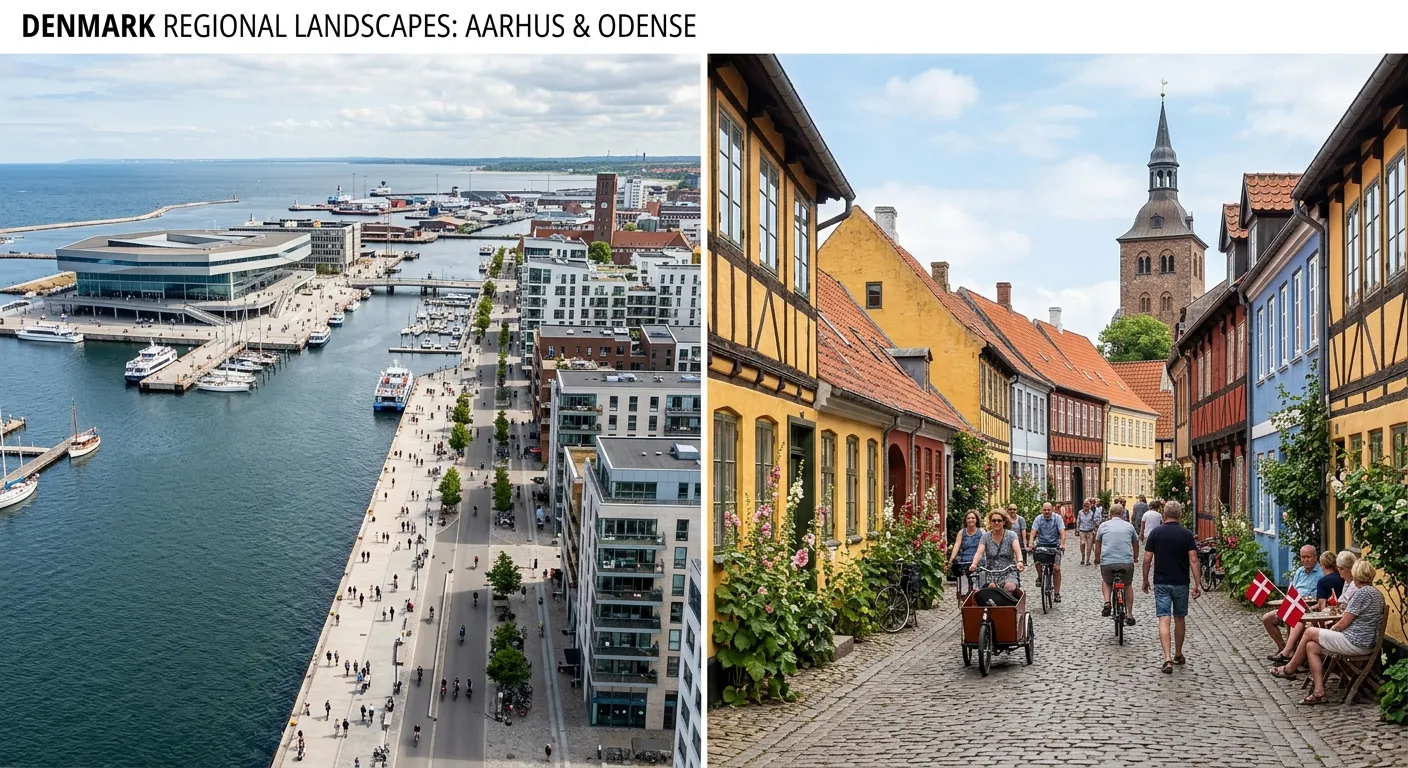
Key Metrics by City
| Item | Copenhagen | Aarhus | Odense | Aalborg |
|---|---|---|---|---|
| 1-BR city-centre rent | DKK 12,000–16,000 | DKK 8,000–11,000 | DKK 6,500–9,000 | DKK 5,500–8,000 |
| Monthly transport pass | DKK 430–820 | DKK 330–430 | DKK 250–350 | DKK 280–380 |
| Monthly groceries (1 person) | DKK 2,200–3,200 | DKK 2,000–3,000 | DKK 1,800–2,800 | DKK 1,800–2,700 |
| Casual restaurant meal | DKK 150–250 | DKK 130–220 | DKK 120–200 | DKK 100–180 |
| Job market | ⭐⭐⭐⭐⭐ | ⭐⭐⭐⭐ | ⭐⭐⭐ | ⭐⭐⭐ |
| Quality of life | ⭐⭐⭐⭐⭐ | ⭐⭐⭐⭐⭐ | ⭐⭐⭐⭐ | ⭐⭐⭐⭐ |
Aarhus is Denmark's second city and a major university hub — living costs run 15–20% below Copenhagen's while quality of life is nearly identical. The ARoS contemporary art museum, a buzzing waterfront restaurant strip, and a walkable, bike-friendly layout attract many young professionals as an alternative to the capital. Odense, birthplace of Hans Christian Andersen, offers rich cultural heritage and some of the most affordable rents in Denmark for a city of its size.
📊 Monthly Budget Tables by Lifestyle
All figures below are based on Copenhagen and the June 2026 exchange rate of 1 EUR ≈ 7.47 DKK. For regional cities, reduce rent by 30–40% and adjust other costs slightly downward.
🧍 Copenhagen Single — Budget-Conscious Lifestyle
| Item | DKK | EUR (≈) | Share |
|---|---|---|---|
| 🏠 Rent (suburb studio or house-share) | 7,500 | €1,004 | 46% |
| ⚡ Utilities (electricity + heat + water) | 1,200 | €161 | 7% |
| 🌐 Internet + mobile | 350 | €47 | 2% |
| 🛒 Groceries (cooking at home) | 2,200 | €295 | 14% |
| 🚴 Transport (bike or 2-zone pass) | 500 | €67 | 3% |
| 🎭 Leisure & dining out | 1,500 | €201 | 9% |
| 👕 Clothing & personal care | 600 | €80 | 4% |
| 🏥 Medical / dental | 300 | €40 | 2% |
| 💰 Savings & emergency buffer | 2,150 | €288 | 13% |
| Monthly total | ~DKK 16,300 | ≈ €2,183 | 100% |
* Requires net take-home pay of at least DKK 18,000/month (≈ gross DKK 30,000–33,000).
👫 Copenhagen Working Couple — Mid-Range Lifestyle
| Item | DKK | EUR (≈) | Share |
|---|---|---|---|
| 🏠 Rent (1-BR, mid-range area) | 13,000 | €1,741 | 34% |
| ⚡ All utilities | 2,000 | €268 | 5% |
| 🌐 Internet + 2 mobile plans | 600 | €80 | 2% |
| 🛒 Groceries (2 people) | 4,500 | €602 | 12% |
| 🚴 Transport (2 people) | 1,000 | €134 | 3% |
| 🎭 Dining out & leisure (1–2×/week) | 4,500 | €602 | 12% |
| 👕 Clothing & personal items (2) | 1,200 | €161 | 3% |
| 🏥 Medical / dental (2) | 600 | €80 | 2% |
| ✈️ Travel / holiday fund | 2,000 | €268 | 5% |
| 💰 Joint savings | 8,600 | €1,152 | 22% |
| Monthly total (combined) | ~DKK 38,000 | ≈ €5,089 | 100% |
* Two incomes of DKK 45,000–50,000 combined net gives a comfortable buffer for savings and travel.
👨👩👧 Copenhagen Family of 3 (1 child)
| Item | DKK | EUR (≈) | Share |
|---|---|---|---|
| 🏠 Rent (2-BR, mid-range area) | 17,000 | €2,277 | 32% |
| ⚡ All utilities | 2,500 | €335 | 5% |
| 🌐 Internet + 2 mobiles | 600 | €80 | 1% |
| 🛒 Groceries (3 people) | 6,000 | €804 | 11% |
| 🚌 Transport (2 adults) | 2,000 | €268 | 4% |
| 🧸 Nursery / childcare | 3,500 | €469 | 7% |
| 🎭 Leisure & family activities | 5,000 | €670 | 9% |
| 👕 Clothing & personal (3) | 2,000 | €268 | 4% |
| 🏥 Medical / dental (3) | 1,000 | €134 | 2% |
| ✈️ Holiday / emergency fund | 3,000 | €402 | 6% |
| 💰 Family savings | 10,000 | €1,340 | 19% |
| Monthly total (family) | ~DKK 52,600 | ≈ €7,043 | 100% |
* Combined net income of DKK 55,000–65,000 provides a stable family life. Note: Denmark's Børnetilskud (child benefit) partially offsets childcare costs.
Single Person — Spending Breakdown
💬 Real Expat Experiences
Numbers only tell part of the story. Here's what people who've actually made the move say about the real cost of living in Denmark.
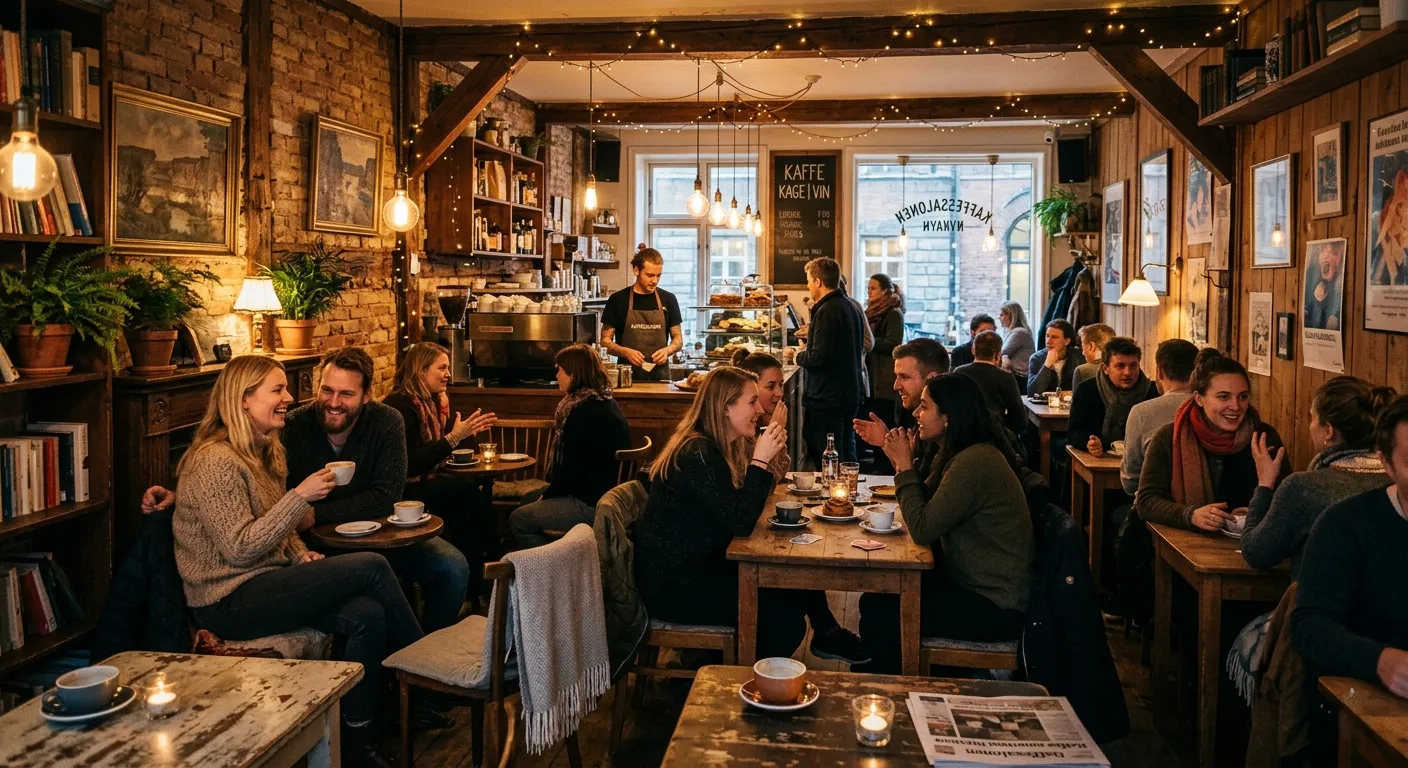
"For 2 people, DKK 38,000 a month is more than enough. In the suburbs, within reasonable commuting distance to Copenhagen, you can rent a modern 1-bedroom apartment for about DKK 14,000–15,000 bills included, DKK 1,000 for transport, and food for 2 about DKK 5,000 without restaurant visits. The rest is entirely up to you."
"Moving from Dallas was a real shock. The apartment had no light fixtures — nothing. Combined with three months' deposit, first month upfront, and buying furniture from scratch, I was down tens of thousands of dollars before I'd lived there a week. But now? No overtime culture, free healthcare, cycling to work. I couldn't go back."
"Be aware that as a foreigner, you need at least DKK 15,000–18,000 after tax to have a decent living. Denmark isn't cheap — not even for us living here. But what you get back in services, security, and quality of life makes it worth it, if you can get the salary to match."
"Studying in Aarhus on SU (the student grant) plus 20 hours of part-time work, I manage fine on around DKK 10,000/month. Cooking at home, cycling everywhere, using Too Good To Go for cheap meals. It's tight but doable — and I have free tuition and world-class education. Copenhagen would be impossible on this budget."
"Denmark felt expensive at first. But you stop noticing the price of healthcare when you have none. You stop counting the cost of university when it's free. What Denmark takes from your paycheck, it quietly gives back in ways that never show up on a budget spreadsheet." — Expat blogger, 3 years in Denmark
💡 10 Ways to Spend Less in Denmark
-
1🚴 Buy a second-hand bike immediately Find one on Finn.dk for DKK 500–2,000. Add a serious lock (DKK 200+). You'll save on transport, gym fees, and taxi rides — and arrive faster in Copenhagen than by car or bus.
-
2🛒 Shop at Netto, Rema 1000, and Lidl exclusively Identical products cost 20–40% more at premium chains. Reserve Irma and SuperBrugsen for special occasions. Build a weekly meal plan and stick to it.
-
3⏰ Shop near closing time for markdowns Arrive at 7–9 PM and hunt for yellow discount stickers — 30–50% off bread, meat, dairy, and veg. It's perfectly fresh; it just won't keep past tomorrow.
-
4📱 Use the Too Good To Go app Denmark's home-grown food rescue app. Buy surplus bakery and restaurant food for DKK 30–60 per bag — easily your cheapest and often tastiest meal of the day.
-
5🤝 Find a flatmate Sharing a 2-bedroom splits rent from DKK 16,000 to DKK 8,000 each — often cheaper per person than a studio. Denmark's Facebook housing groups and BoligPortal are the best places to look.
-
6💡 Switch electricity suppliers via Elpris.dk Energy suppliers are fully switchable in Denmark. Comparison on Elpris.dk takes 10 minutes and can save DKK 1,000–3,000 per year on your electricity bill.
-
7♻️ Return bottles and cans for Pant refunds Every beverage container has a DKK 1–3 deposit. Return them to the Pant machine in any supermarket. It's a small but consistent source of cash — locals treat it as automatic.
-
8🛍️ Furnish from second-hand sources Denmark's second-hand culture is excellent. Finn.dk, Facebook Marketplace, and weekend loppemarked (flea markets) offer quality furniture and household goods at a fraction of new prices.
-
9🏛️ Maximise free cultural amenities Copenhagen's National Museum, Botanical Garden, harbour walks, parks, and beaches are all free. The public library (free with CPR) gives access to books, digital content, and tools. Most city parks double as social spaces and outdoor gyms.
-
10🌤️ Eat your restaurant meal at lunch, not dinner The same dish at the same table costs 30–50% less at lunch. Danes know this — the frokost (lunch) culture is real. Make lunch your main dining-out event and cook dinner at home.
❓ Frequently Asked Questions
Most expats cite DKK 15,000–18,000 net/month (≈ €2,000–2,400) as the floor for a basic but decent solo life in Copenhagen — assuming house-sharing, cooking at home, and cycling. For a comfortable lifestyle with regular dining out and travel savings, aim for DKK 25,000+ net. In regional cities (Aarhus, Odense, Aalborg) you can subtract DKK 2,000–3,000 from those figures.
Yes — once you hold legal residency and have registered your address to receive a CPR number (Denmark's personal identification number), you are entitled to the same public healthcare as Danish citizens. This covers GP visits, hospital care, emergency treatment, and specialist referrals. Without a CPR number (e.g. as a tourist or during your first weeks before registration), you pay out of pocket. A single uninsured GP visit can cost €95–380.
Denmark has several layers of income tax: a flat 8% labour market contribution (AM-bidrag) on gross income, then municipal tax averaging around 25%, plus national income tax of 12–15%. For a median earner, the effective total tax rate sits around 37–42%. High earners (above DKK 588,900/year) pay up to 52%. In practical terms: someone earning DKK 51,675 gross (Denmark's statistical average) takes home approximately DKK 34,849 — roughly 67% of gross. The offset is free healthcare, free education, and an extensive social safety net.
Very difficult. Copenhagen's rental vacancy rate is below 2% citywide, and prime neighbourhoods are even tighter. Good flats receive dozens of applications within hours. Best practices: Set up alerts on BoligPortal, Lejebolig, and Akutbolig. Respond within hours of any new listing. Prepare a short, professional introduction — ideally with a Danish sentence or two. Arrive in Denmark with temporary accommodation (short-term rental or Airbnb) and search in person. Avoid August–September peak move-in season if possible. Budget for initial deposits of 3–4 months' rent in cash.
Compared to London, Copenhagen is roughly similar or slightly cheaper overall — London's rents are notably higher in central areas. Compared to Berlin, Amsterdam, or Paris, Copenhagen runs 15–30% more expensive, driven mainly by higher service costs (restaurants, personal services) reflecting Danish wage levels. Compared to Southern European capitals like Madrid, Lisbon, or Athens, Copenhagen is dramatically more expensive — easily 50–80% higher. Within Scandinavia, it's comparable to Stockholm and cheaper than Oslo.
That depends entirely on your salary. Danish salaries are among Europe's highest — if you secure a job at or above the local market rate (DKK 35,000–60,000+ gross in most professions), the high cost of living becomes manageable and the benefits are exceptional. If you're moving on a below-average income or student budget, it's tight but possible with careful planning and regional city choices. The non-financial benefits — work-life balance, safety, healthcare, parental support, social trust — consistently lead expats to report high satisfaction despite the price tag.
Wrap-Up: Is Denmark Worth the Price? 🤔
The numbers are clear: Denmark is expensive. A single person in Copenhagen should budget at least DKK 13,000–16,000/month net; a family of three needs DKK 45,000–55,000 combined. The initial setup costs — deposits, furniture, registration — require a substantial cash buffer before you even receive your first Danish paycheck.
But Denmark's offer goes beyond the headline figures. Zero medical bills for registered residents. Free university education — with a monthly government stipend to boot. Heavily subsidised childcare. One year of parental leave. Five-plus weeks of annual vacation. An afternoon work culture where 5 PM means home. Cycling infrastructure that's genuinely faster than cars. One of the world's lowest crime rates. Tap water you can drink anywhere.
Bottom line: If you're choosing a city, seriously consider Aarhus or Odense over Copenhagen — 20–30% cheaper with nearly identical quality of life. If you're committed to Copenhagen, prioritise securing a well-paying job before you arrive, get your CPR number registered promptly, buy a bike on day one, and embrace cooking at home as a Danish cultural practice, not a compromise. And budget for that first deposit well in advance. 🚴 Good luck!