
In May 2026, an unfamiliar name took over global headlines: hantavirus. The trigger was the MV Hondius, a polar expedition cruise ship that had departed from Ushuaia, Argentina. With a case fatality ratio of 38%, an incubation period of up to six weeks, and the rare possibility of person-to-person spread, this outbreak reignited the public's pandemic anxieties. But how dangerous is hantavirus really? Is it the next COVID-19? And what does it mean for the rest of us? This comprehensive guide cuts through the fear and answers everything you need to know — backed by data from WHO, CDC, and Korea's KDCA.
What Is Hantavirus? History & Origins 🔬
Hantavirus is a family of RNA viruses that use rodents as their natural reservoir hosts. The name itself has a distinctly Korean origin. During the Korean War in the early 1950s, more than 3,000 American soldiers were struck down by a mysterious hemorrhagic fever — sudden high fever, kidney failure, severe bleeding. For over two decades, the cause remained unknown.
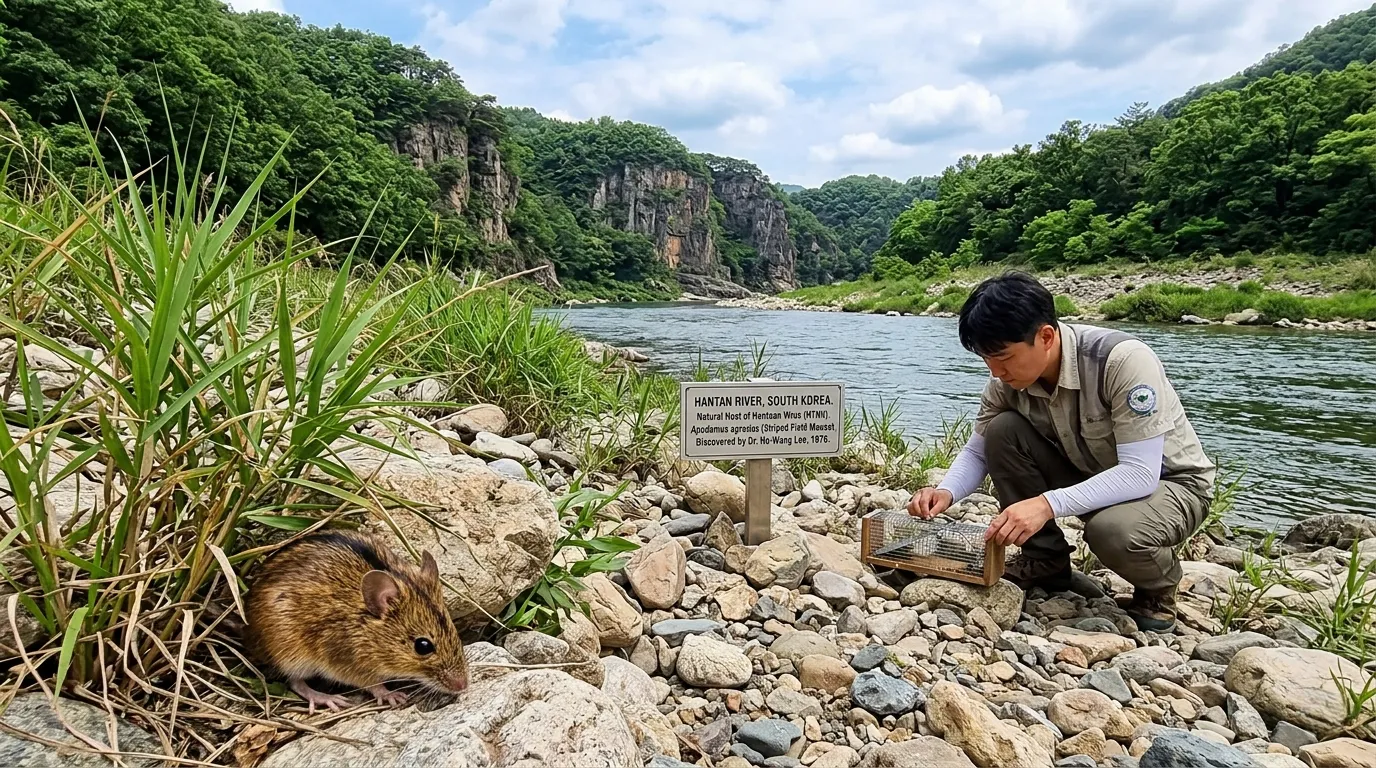
The mystery was finally solved in 1976 by South Korean scientist Dr. Ho-Wang Lee (이호왕) at Korea University College of Medicine. Dr. Lee isolated the pathogen from a striped field mouse (Apodemus agrarius) caught along the Hantan River near Dongducheon, Gyeonggi Province. He named the virus after the river where it was discovered: Hantaan virus — and the entire genus of related viruses became known as Hantavirus.
"The discovery of Hantaan virus was a landmark achievement that not only solved a decades-old mystery of Korean hemorrhagic fever, but paved the way for the identification of over 50 related viruses worldwide." — Encyclopedia of Korean Culture, Hantaan Virus entry
Following Dr. Lee's discovery, scientists around the world identified more than 50 hantavirus species across different continents — each harbored by different rodent species, each causing disease with varying severity. Today, hantaviruses are found across Asia, Europe, and the Americas.
💡 Don't Confuse the Names
Hantavirus refers to the entire genus (family) of viruses. Within that family, you'll find Hantaan virus, Seoul virus, Andes virus, Sin Nombre virus, and 50+ others. Each has different geographical distributions, rodent hosts, and disease profiles.
These viruses cause two main types of disease in humans. In Asia and Europe, the dominant presentation is Hemorrhagic Fever with Renal Syndrome (HFRS) — targeting the kidneys. In the Americas, it's Hantavirus Pulmonary Syndrome (HPS) or Hantavirus Cardiopulmonary Syndrome (HCPS) — targeting the lungs and heart. Both can be deadly.
The 2026 MV Hondius Outbreak: Full Timeline 🚢
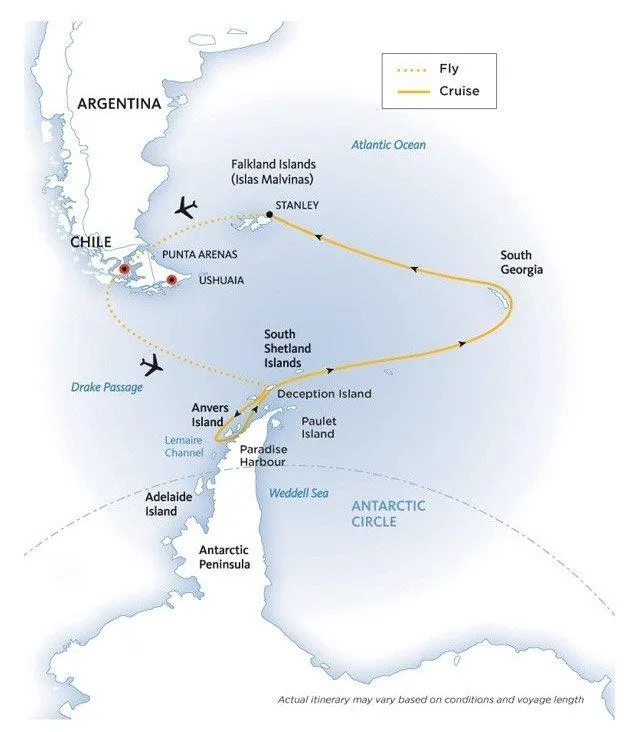
The MV Hondius is a polar expedition ship operated by Dutch company Oceanwide Expeditions, specializing in Antarctic and Arctic cruises. With berth prices ranging from €14,000 to €22,000, it caters to well-heeled adventure travelers. In the spring of 2026, it became the center of an international health emergency.
The outbreak drew disproportionate global attention for two reasons. First, the virus involved — Andes virus — is the only known hantavirus capable of person-to-person transmission. Second, the nature of an international cruise meant that passengers scattered to countries across multiple continents before the outbreak was identified, creating a public health monitoring challenge of global proportions.
"This is not the next COVID, but it is a serious infectious disease. Most people will never be exposed to this." — Maria Van Kerkhove, WHO Director of Epidemic and Pandemic Preparedness, in a statement to the Associated Press
Types of Hantavirus: A Global Overview 🌍
Not all hantaviruses are created equal. With over 50 known species distributed across different continents, the virus you're likely to encounter depends heavily on where you are in the world. Understanding the key types helps clarify your personal risk level.
| Virus | Region | Rodent Host | Disease | Fatality Rate | Person-to-Person |
|---|---|---|---|---|---|
| Hantaan virus | Korea, China, Russian Far East | Striped field mouse | HFRS | 5–15% | No |
| Seoul virus | Worldwide (via rats) | Brown rat | HFRS | <1% | No |
| Puumala virus | Scandinavia, W. Europe | Bank vole | HFRS | 0.1–0.4% | No |
| Sin Nombre virus | USA Southwest, Canada | Deer mouse | HPS | 35–50% | No |
| Andes virus | Argentina, Chile | Long-tailed pygmy rice rat | HCPS | 20–35% | ⚠️ Documented |
Why Andes Virus Is Uniquely Dangerous
Among all 50+ hantavirus species, Andes virus is the only one known to transmit person-to-person. All others require direct rodent-to-human exposure. This single characteristic is why the MV Hondius outbreak commanded such intense global scrutiny — and why the wife of the first victim's death in a South African hospital was so alarming.
📊 Global Hantavirus Cases 2025
How Does Hantavirus Spread? 🐀
🦠The primary route of hantavirus infection is inhaling aerosolized particles from infected rodent urine, droppings, or saliva. When rodent excretions dry out, they break into microscopic particles that float in the air. Inhaling these particles — especially in enclosed, poorly ventilated spaces — is how most people get infected.
| Transmission Route | Risk Level | Details |
|---|---|---|
| 🌬️ Airborne Aerosol | Very High | Dried rodent excretions dispersed as microscopic airborne particles. Primary route. Especially dangerous in enclosed, unventilated spaces. |
| 👋 Contact (Indirect) | Moderate | Touching contaminated surfaces and then touching eyes, nose, or mouth. Thorough handwashing is highly effective prevention. |
| 🦷 Rodent Bites/Scratches | Low | Rare but possible. Avoid handling wild rodents under any circumstances. |
| 🤝 Person-to-Person (Andes virus only) |
Limited | Documented in Argentina and Chile through close contact with infected individuals. Does not appear to cause widespread community transmission. |
High-Risk Situations
- Cleaning or opening long-closed cabins, barns, sheds without adequate ventilation
- Working in areas with visible rodent droppings or nesting materials
- Camping or hiking in areas with high rodent activity, especially in South America
- Returning travelers from Argentina, Chile, Bolivia, or other HPS-endemic areas with fever within 6 weeks
- Agricultural workers, military personnel, forestry workers in endemic regions
Importantly, hantavirus is not spread through food, water, or casual contact. You cannot catch it by being in the same room as an infected person (with the sole exception of Andes virus close contact scenarios). Workplaces, schools, and public transportation pose virtually no risk for most hantavirus strains.
Symptoms and Disease Progression 🌡️
One of hantavirus's most dangerous characteristics is that its early symptoms mimic the flu almost exactly. That means many patients and even clinicians initially dismiss the warning signs. Epidemiological context — where have you been, what have you been doing — is absolutely critical for correct diagnosis.
🔴 Hantavirus Cardiopulmonary Syndrome (HCPS/HPS) — Americas
Caused by Sin Nombre virus, Andes virus, and related strains. Attacks the lungs and cardiovascular system. Incubation period: typically 2–4 weeks, up to 6 weeks.
🔵 Hemorrhagic Fever with Renal Syndrome (HFRS) — Asia & Europe
Caused by Hantaan, Seoul, Puumala, and Dobrava viruses. Primarily targets the kidneys. The classic "Korean hemorrhagic fever." Incubation: 2–4 weeks.
| Stage | Duration | Key Symptoms | Risk |
|---|---|---|---|
| 1. Febrile | 3–5 days | Sudden high fever (38–41°C), headache, back and abdominal pain, flushing, petechiae | Moderate |
| 2. Hypotensive | Hours–3 days | Sudden blood pressure drop, shock risk, worsening hemorrhagic tendency | High |
| 3. Oliguric | 3–5 days | Decreased urine output, acute kidney injury, electrolyte imbalance, edema | High |
| 4. Diuretic | Days–weeks | Marked increase in urine output, risk of dehydration | Moderate |
| 5. Convalescent | Weeks–months | Gradual recovery of kidney function and strength | Low |
⚠️ When to Seek Emergency Care Immediately
If you develop sudden high fever, severe muscle pain, respiratory difficulty, bloody urine, or intense headache within 2–6 weeks of visiting South America or engaging in outdoor/agricultural activities involving rodent exposure — go to an emergency room immediately. Tell clinicians about your travel history and environmental exposures. This epidemiological context is critical to getting the right diagnosis quickly.
Treatment and Survival Rates 💊
Here's the hard truth: there is currently no approved, specific antiviral treatment or vaccine for American-type hantavirus (HPS/HCPS). Treatment is primarily supportive and intensive — keeping the body functional long enough for the immune system to fight back.
- ICU Admission: Respiratory support (mechanical ventilation, supplemental oxygen) for pulmonary edema and heart failure
- Hemodynamic Support: IV fluids and vasopressors to maintain blood pressure
- ECMO (Extracorporeal Membrane Oxygenation): Used in the most severe cardiopulmonary failure cases; has improved survival rates significantly
- Dialysis: Temporary hemodialysis for HFRS patients with acute kidney failure
- Ribavirin: An antiviral that has shown reduced mortality in HFRS (Asian strains) when given within 7 days of symptom onset. Its efficacy against HPS/HCPS is limited.
🔬 Vaccine & Antiviral Development Status
South Korea and China have approved inactivated hantavirus vaccines for HFRS prevention. South Korea's Hantavax (developed by Green Cross) is used in high-risk populations including soldiers and agricultural workers. However, it offers no protection against Andes virus. Development of an Americas-strain hantavirus vaccine has been ongoing, and the 2026 cruise ship outbreak is expected to accelerate international research investment and clinical trial timelines.

South Korea's Hantavirus Situation 🇰🇷
South Korea has a unique and long-standing relationship with hantavirus. Not only did the virus get its name from the Hantan River in Korea, but HFRS (locally known as 신증후군출혈열, or "epidemic hemorrhagic fever") remains an endemic disease with hundreds of cases reported annually.
🏥 Official Statement from Korea's KDCA (May 8, 2026)
Commissioner Im Seung-gwan stated: "Rodents that carry hantavirus cardiopulmonary syndrome do not inhabit Korea, and no imported cases have been reported. We assess the domestic public health risk as Low." Travelers to Argentina, Chile, and other South American countries are advised to avoid rodent contact, and anyone returning with fever or respiratory symptoms within 6 weeks should seek immediate medical care and call the KDCA hotline at 1339.
📊 Annual HFRS Cases in South Korea
Cases in Korea peak in autumn (October–December), when striped field mice are most active during harvest season. The highest-risk groups are agricultural workers, military personnel, forestry workers, and laboratory staff working with rodents.
Korea's Hantavax vaccine is available at public health centers, especially for high-risk individuals. The recommended schedule is two doses before the autumn peak — ideally completed before October. Note: Hantavax protects against Hantaan and Seoul virus only; it provides no protection against Andes virus.
Prevention: What You Can Do Right Now 🛡️
Good news: hantavirus is highly preventable through straightforward behavioral changes. The core strategy is simple — avoid contact with rodents and their excretions.
🏠 Indoor / Everyday Prevention
-
Ventilate before entering closed spaces: If opening a cabin, shed, barn, or storage unit that's been sealed for a while, open windows and doors for at least 30 minutes before entering. Wear an N95 mask and disposable gloves.
-
Clean rodent droppings safely: Never vacuum or sweep droppings — this aerosolizes them. Instead, spray with a 10% bleach solution, let sit for 5 minutes, then wipe up with paper towels and double-bag everything for disposal.
-
Rodent-proof your home: Seal food in airtight containers, use lidded trash cans, and block gaps in walls and foundations where rodents may enter.
-
Wash hands thoroughly: After outdoor activities or any contact with soil or animals, wash with soap for at least 20 seconds.
🏕️ Camping & Outdoor Prevention
-
Choose clean campsites: Avoid pitching tents near rodent burrows, droppings, or nesting materials. Stay away from dense brush.
-
Store food properly: Never store food inside your tent. Use airtight containers or keep food in your vehicle's trunk.
-
Use a ground mat: Don't sleep directly on the ground. Air out and shake your tent and sleeping bag outdoors before packing up.
✈️ For Travelers to South America
-
Know the high-risk zones: Argentine Patagonia, southern Chile, Bolivia, and rural Panama are HPS hotspots. Andes virus is endemic throughout much of southern South America.
-
Never touch wild rodents: They may look harmless or even cute. Do not approach, feed, or handle any wild rodents.
-
Monitor yourself for 6 weeks after return: The incubation period can be up to 6 weeks. Any fever, muscle pain, or respiratory symptoms within this window should prompt an immediate medical visit — with full disclosure of your travel history.
Community Reactions & Fact-Checks 💬
The MV Hondius outbreak went viral across social media almost as fast as the outbreak itself. Memes, misinformation, and genuine public concern flooded platforms worldwide. Let's look at what people were saying — and what's actually true.
✅ Myth-Busting: Top Hantavirus Misconceptions
| Myth / Rumor | Fact |
|---|---|
| "This is the next COVID-19" | False WHO's Van Kerkhove: "This is not the next COVID." Hantavirus requires rodent exposure. It cannot spread through casual community contact like SARS-CoV-2. |
| "Hantavirus comes from Korea/Israel/etc." | False Named after the Hantan River in South Korea. Discovered by Korean scientist Dr. Ho-Wang Lee in 1976. Pure scientific nomenclature — no geopolitical connection. |
| "It spreads easily from person to person" | Partially true Only Andes virus has documented person-to-person transmission, and only through close, sustained contact. All other hantaviruses do not spread person-to-person. |
| "There's no treatment at all" | Partially true No specific antiviral is approved for HPS/HCPS. However, Ribavirin helps with HFRS (Asian strains), and aggressive ICU support — including ECMO — has significantly improved survival rates. |
| "Anyone traveling to South America is at risk" | Overstated Risk is concentrated in rural, agricultural, and wilderness areas — not cities or standard tourist destinations. The risk profile for typical travelers is low. |
Looking Ahead: Climate Change and the Hantavirus Threat 🌡️🌿
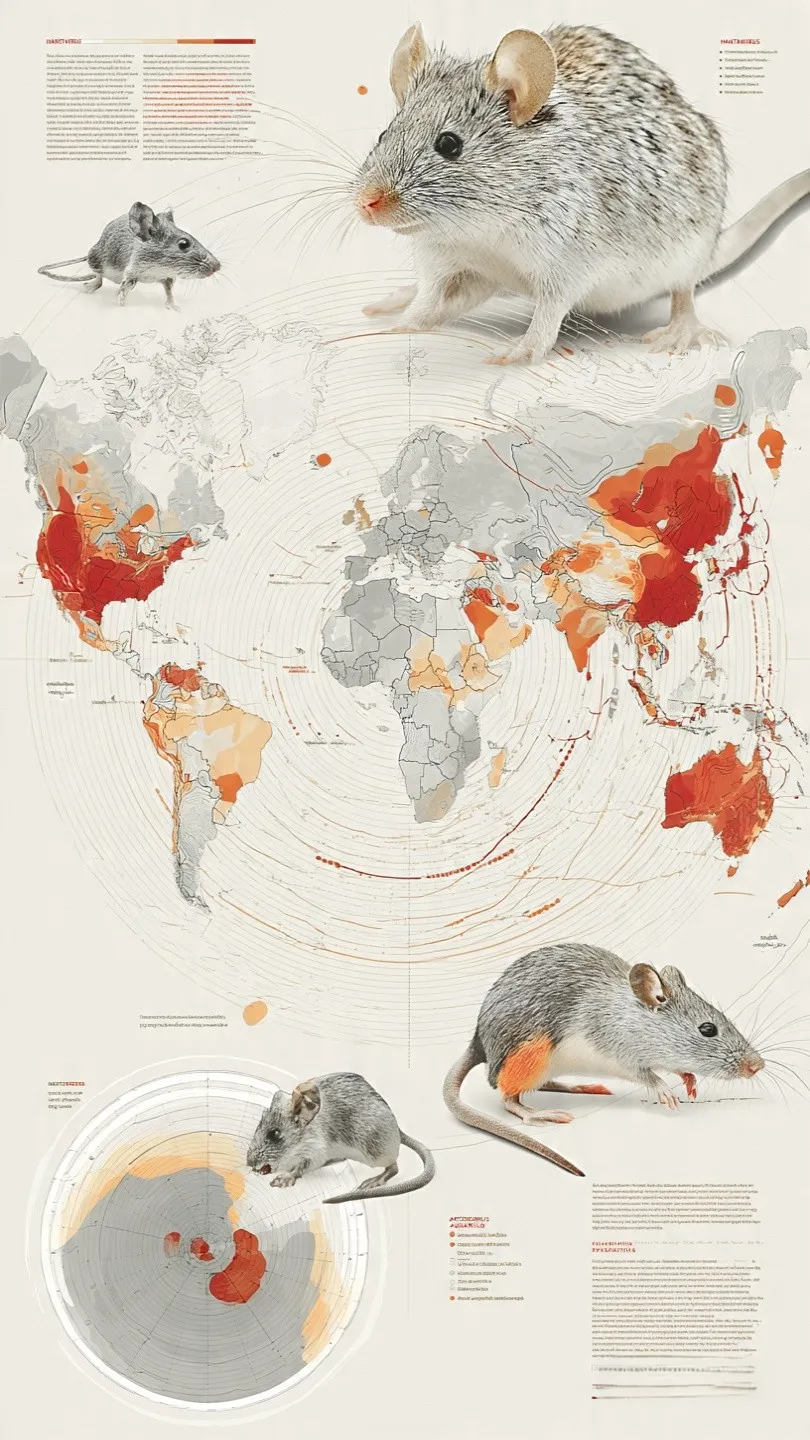
The MV Hondius outbreak may be a harbinger of things to come. Scientists warn that climate change is becoming a major amplifier of hantavirus risk. Between June 2025 and early May 2026, Argentina recorded more than 100 cases — roughly double the previous year's rate. Experts attribute this surge to climate variability, land-use change, and expanding human activity in rodent habitats.
📌 How Climate Change Drives Hantavirus Risk
Warmer climates mean more abundant food (insects, seeds) for rodents → larger rodent populations. Expanded rodent ranges push infected animals into territories and populations with no prior hantavirus exposure and therefore no immunity — creating conditions for explosive outbreaks. Alternating heavy rainfall and drought also promotes aerosol formation from dried excretions.
Researchers at the University of Nebraska Medical Center (UNMC) published modeling work showing that as hantavirus-carrying rodent ranges expand due to climate change, previously unexposed human populations will face infection risks from viruses their immune systems have never encountered before. This is precisely the scenario that produces the most dangerous outbreaks.
🔮 Outlook Summary
| Domain | Near-Term (2026) | Mid-Long-Term (2027–2030) |
|---|---|---|
| South Korea | Risk remains Low. Seasonal autumn vigilance. | Climate-driven changes in rodent populations warrant continued surveillance |
| South America | Argentina/Chile case numbers likely to remain elevated | Vaccine development success could significantly curb outbreaks |
| Vaccine Pipeline | Andes virus vaccine clinical trials expected to accelerate | Americas-type vaccine approval possible by 2028–2030 |
| Global Surveillance | Intensified WHO/CDC/KDCA monitoring post-Hondius | One Health framework integration for zoonotic disease response |
The Bottom Line: Understanding Over Fear 🌿
The 2026 MV Hondius outbreak was a genuine public health event that warranted serious attention. But the global panic it generated was — as with most infectious disease outbreaks — disproportionate to the actual risk faced by the average person anywhere in the world.
Hantavirus is real, potentially deadly, and worth understanding. But it is not COVID-19. It cannot spread through the air in a shopping mall. You cannot catch it on a plane from someone sitting next to you (with the sole, limited exception of close, sustained contact with an Andes virus patient). The core protective measure is and has always been: avoid contact with wild rodents and their excretions.
And one final thought: this virus bears the name of a river in South Korea because a Korean scientist spent years of his career refusing to give up on solving a mystery that had stumped the entire world. Science is slow, methodical, and sometimes frustrating — but it delivers. Andes virus vaccines will come. Until then, know your risk, take sensible precautions, and resist the urge to panic. 🦺
Emergency Contacts & Resources
- Korea KDCA Hotline: 1339 (24/7)
- Korea Travel Health: travelinfo.kdca.go.kr
- WHO Hantavirus Info: who.int
- CDC Hantavirus Info: cdc.gov/hantavirus