
If you've noticed a red trace on the tissue after using the bathroom, or a subtle discomfort around the anus whenever you sit for too long, your body may already be sending you a signal. Hemorrhoids are common enough that most adults will experience them at some point, yet because of where they occur, embarrassment often leads people to delay seeing a doctor until symptoms have grown worse.
Anorectal conditions consistently rank among the most frequently treated surgical complaints in national health statistics. They're common, but many people still hold mistaken ideas about the actual causes or the right treatment for each stage, or simply feel a vague dread about the topic. This guide walks through what causes hemorrhoids, their early symptoms, stage-by-stage treatment options, how symptoms differ by gender and age, and lifestyle habits you can start practicing today for better colorectal health.
Please note: This article is intended to provide general health and lifestyle information and is not a substitute for a medical diagnosis, consultation, or treatment from a licensed physician. If you have a specific condition or symptoms, please consult a qualified healthcare professional.
What Are Hemorrhoids? Piles vs. Fissures vs. Fistulas
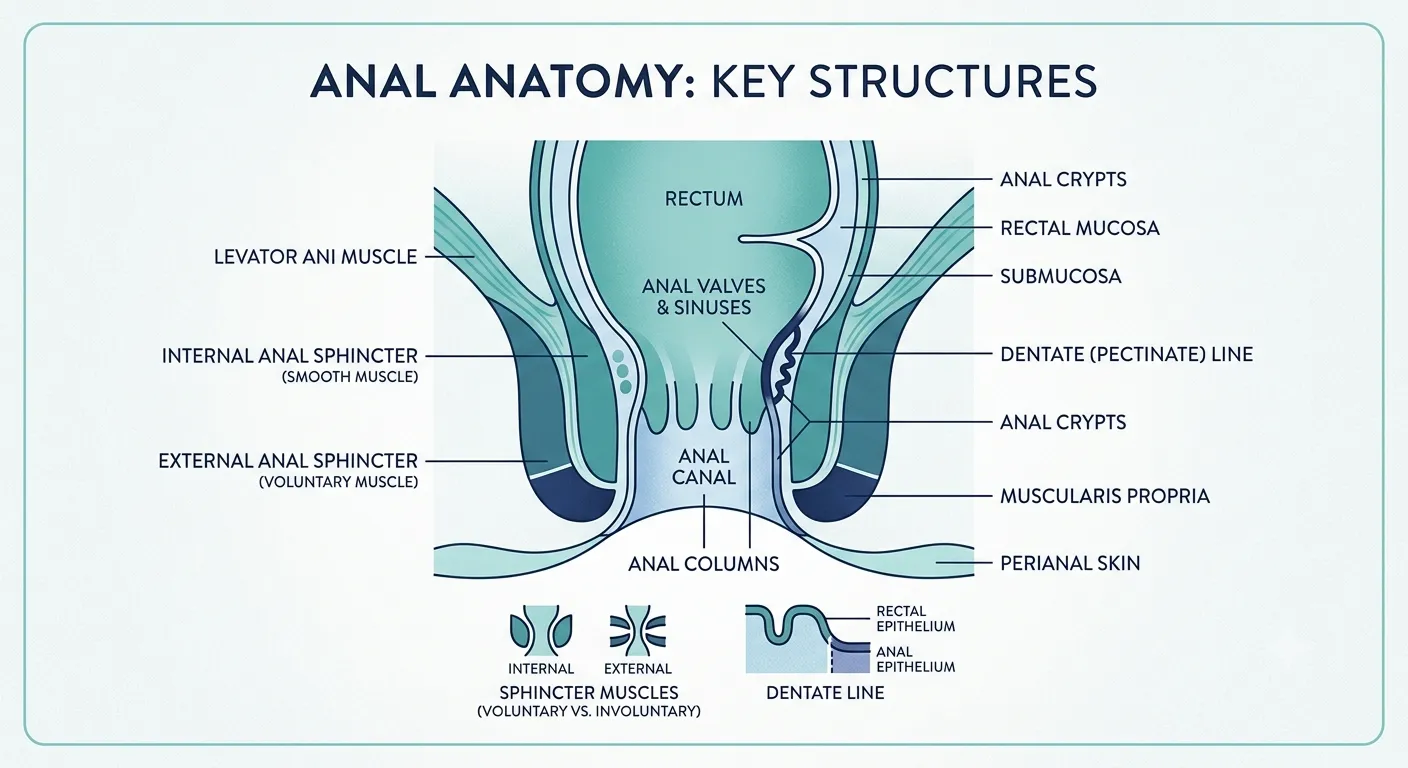
Medically speaking, "hemorrhoids" is really an umbrella term for several conditions that occur around the anus. Inside the anal canal sits a cluster of vascular tissue called the "anal cushion," which helps control bowel movements. When this tissue becomes swollen for various reasons and either forms a noticeable lump or protrudes outward, it's commonly referred to as a hemorrhoid (or pile). Most of what people casually call "hemorrhoids" in daily life refers to this condition.
Hemorrhoids are further divided into two types based on location. Those forming above the dentate line — the boundary between the anus and rectum — are called internal hemorrhoids, while those forming below it, on the skin side, are called external hemorrhoids. Because internal hemorrhoids develop in mucosal tissue that's relatively insensitive to pain, they often cause bleeding without much discomfort. External hemorrhoids, on the other hand, form in skin tissue with sensitive nerve endings, so even minor irritation tends to cause noticeable pain.
The broader category of "hemorrhoids" also includes anal fissures — tears in the anal skin caused by passing hard stool — and anal fistulas, where bacteria infect an anal gland, forming an abscess that repeatedly forms and ruptures. All three conditions can cause similar symptoms like anal pain or bleeding, but their causes and treatments differ, so it's important to get an accurate diagnosis rather than self-diagnosing based on symptoms alone.
Why Hemorrhoids Are So Common in Humans
Interestingly, hemorrhoids are known to occur far more often in humans, who walk upright, than in four-legged animals. In an upright posture, the full effect of gravity bears down on the pelvic and anal blood vessels, meaning that both prolonged standing and prolonged sitting place a cumulative burden on these vessels. Combined with the modern lifestyle of spending most of the day seated, hemorrhoids have become a widespread condition that affects people regardless of age or gender.
In fact, a significant portion of patients visiting colorectal surgery clinics do so primarily because of hemorrhoids, and many specialists note that patients are fairly evenly distributed across age groups — from young office workers in their 20s and 30s to seniors in their 60s and beyond. In other words, hemorrhoids aren't a problem limited to a specific age or lifestyle; they're something anyone who spends a lot of time sitting should be mindful of.
"Hemorrhoids aren't a condition that only affects certain people — they're common among anyone living a sedentary modern lifestyle. What's most unfortunate is when embarrassment delays treatment and the condition worsens." – Colorectal Surgery Specialist
Main Causes of Hemorrhoids
The exact mechanism behind hemorrhoids isn't fully understood, but repeated pressure on the veins around the anus is consistently identified as a common risk factor. The main contributing causes include:
- Chronic constipation and excessive straining: Straining for extended periods to pass hard stool concentrates pressure on the anal veins, making them prone to swelling. Frequent diarrhea can also repeatedly irritate the anal mucosa and contribute to hemorrhoids, not just constipation.
- Prolonged sitting: Office workers and students who sit for long stretches often experience poor blood circulation in the anal area, which can encourage hemorrhoids to develop. Lingering on the toilet while using a smartphone is problematic for the same reason — the seated position itself places continuous pressure on anal blood vessels.
- Pregnancy and childbirth: During pregnancy, the enlarged uterus presses on pelvic veins, and hormonal changes make blood vessels more prone to relaxing, both of which commonly trigger new hemorrhoids or worsen existing ones. Intense straining during labor can also cause a sudden flare-up.
- Obesity and increased abdominal pressure: Weight gain raises abdominal pressure, adding strain to anal blood vessels. Occupations involving frequent heavy lifting can pose a similar risk due to repeated spikes in abdominal pressure.
- Low-fiber diet and inadequate hydration: Insufficient vegetables and water intake leads to harder stool and more difficult bowel movements, ultimately straining the anus. Conversely, a diet heavy in spicy or irritating foods can dilate blood vessels around the anus and worsen symptoms.
- Weakening support tissue with age: As connective tissue supporting the anal cushion weakens over time, hemorrhoids can prolapse more easily. This is why hemorrhoids that weren't present in youth often appear later in middle age or beyond.
- Genetic predisposition: A family history of hemorrhoids may indicate relatively weaker vein walls or connective tissue, which can somewhat raise the risk.
Many colorectal specialists point to "prolonged straining during bowel movements" and "time spent sitting on the toilet" as the most common practical causes. In clinical practice, simply cutting down on the habit of sitting on the toilet with a smartphone for more than 10 minutes has been reported to ease early symptoms.
How Hemorrhoids Differ by Gender and Age
Hemorrhoids affect both men and women, though the timing and background differ somewhat. Women often experience their first hemorrhoids around pregnancy and childbirth; symptoms sometimes resolve naturally during postpartum recovery, but in some cases they become chronic and recur repeatedly afterward. In men, lifestyle patterns involving more frequent alcohol consumption and spicy food intake are often reported to worsen symptoms.
By age group, people in their 20s and 30s tend to be affected mainly by prolonged sedentary work, irregular eating habits, and smartphone use, while those in their 40s and 50s often see symptoms worsen alongside chronic constipation or weight gain. After age 60, declining tissue elasticity means hemorrhoids that have quietly existed for years can progress to stage 3 or 4 before finally prompting a doctor's visit. While the underlying context differs across age groups, improving "prolonged sitting" and "straining during bowel movements" remains the core of prevention across the board.
Why Symptoms Often Worsen in Winter and During Seasonal Changes
Many hemorrhoid patients report that symptoms flare up notably as the weather turns cold. When temperatures drop, the body constricts peripheral blood vessels to preserve heat, and the vessels around the anus contract and relax repeatedly along with this process, becoming more prone to irritation. Combined with reduced outdoor activity and more time spent sitting indoors during cold weather, hospital visits for hemorrhoids tend to increase in winter. In summer, by contrast, spending long hours in air-conditioned spaces or frequently eating spicy, stimulating seasonal foods can also aggravate symptoms. Regardless of season, keeping the body warm and maintaining a regular sitz bath habit can help manage symptoms.
Early Symptom Checklist and the Four Stages
Early hemorrhoid symptoms typically begin with "bleeding" and a "sense of something out of place." If two or more of the items below apply to you, early-stage hemorrhoids may be worth investigating.
- Bright red blood on toilet paper after a bowel movement
- Enough bleeding to visibly discolor the toilet water
- Itching or a damp, foreign-body sensation around the anus
- Burning or stinging pain during bowel movements
- A heavy, uncomfortable feeling around the anus after sitting for a long time
- A small lump felt or seen protruding from the anus
Internal and external hemorrhoids tend to present slightly different early symptoms. Because internal hemorrhoids form in mucosal tissue that's less sensitive to pain, bleeding is often the main warning sign, and the lack of pain can lead people to dismiss it and let the condition worsen. External hemorrhoids, by contrast, form in areas with sensitive skin nerves, so even minor irritation causes noticeable pain and swelling — and if an acute blood clot forms, the pain can be severe enough to make walking difficult for several days. Because the symptom patterns differ this much, assuming "no bleeding means it's fine" or "no pain means it's fine" can be risky.
Hemorrhoids — more precisely, piles — are typically classified into four stages based on severity. The key distinction as the stage progresses is how far the hemorrhoid protrudes outside the anus, and this staging is an important reference point for determining the right treatment approach.
| Stage | Key Features | Prolapse | Typical Management |
|---|---|---|---|
| Stage 1 | Intermittent bleeding during bowel movements | None | Lifestyle changes, sitz baths, medication |
| Stage 2 | Bleeding with growing sense of prolapse | Prolapses during bowel movement, retracts on its own | Lifestyle changes + medication; non-surgical procedures if needed |
| Stage 3 | More frequent prolapse and discomfort | Requires manual reduction | Rubber band ligation, sclerotherapy, or similar procedures |
| Stage 4 | Significant daily discomfort | Constantly prolapsed, difficult to reduce even manually | Surgery is often required |
Key Takeaway
When caught early, at stages 1 or 2, lifestyle changes, medication, and sitz baths alone are often enough to manage symptoms without surgery. As the condition progresses, however, non-surgical approaches have their limits and procedures or surgery may become necessary — which is why it's important not to dismiss early symptoms.
Common Self-Care Mistakes
Many people try to manage symptoms on their own before seeing a doctor, and in doing so sometimes make mistakes that end up worsening the condition.
- Using water that's too hot for sitz baths: Assuming hotter water works better can actually cause skin irritation or burns. A temperature slightly above body temperature, around 38–40°C (100–104°F), is appropriate.
- Forcing a prolapsed hemorrhoid back in: Applying too much force can damage tissue further or worsen bleeding. Gently push it back with your fingers, but if it won't go in easily, don't force it — see a doctor instead.
- Long-term self-prescribed use of over-the-counter ointments: Some topical products contain steroids, which can thin the skin and cause other side effects with prolonged use. If symptoms don't improve after a few days, a medical visit is essential.
- Habitually holding in bowel movements: Repeatedly suppressing the urge to go makes stool harder and requires more straining next time, creating a vicious cycle.
How Are Hemorrhoids Diagnosed?
When you visit a colorectal surgeon with suspected hemorrhoids, the doctor will first ask about when symptoms started, your bowel habits, and any family history. They'll then visually examine the anal area and, if needed, use a short instrument called an anoscope to directly check the condition of hemorrhoids inside the anal canal. This process is usually brief, and many patients report that it's far less painful than they anticipated. The moment before walking into the exam room is often the most nerve-wracking part, but it can help to remember that for colorectal specialists, this is an extremely routine and common condition they handle every day.
It's worth noting that bloody stool or anal bleeding isn't always caused by hemorrhoids. Particularly for people age 40 and older, those with a family history of colorectal cancer, or anyone whose bleeding pattern is unusual or accompanied by changed bowel habits or weight loss, a colonoscopy to rule out colorectal conditions is a safer approach. Hemorrhoids and colorectal cancer are entirely different conditions, but their symptoms can overlap — so rather than assuming "it's probably just hemorrhoids," getting an accurate differential diagnosis from a specialist is the wiser choice.
Once the stage is determined during diagnosis, the medical team will factor in the stage, symptom severity, age, coexisting conditions, and lifestyle patterns to propose a treatment plan. Even at the same stage 3, the recommended treatment can vary depending on the patient's situation, so it's important to ask questions and discuss the treatment direction thoroughly after diagnosis.
Other Anal Conditions Often Confused with Hemorrhoids
Symptoms around the anus can resemble several different conditions beyond hemorrhoids, making an accurate differential diagnosis important. The table below summarizes the characteristics of anal conditions commonly mistaken for one another.
| Condition | Main Symptoms | Pain Pattern | Distinguishing Features |
|---|---|---|---|
| Hemorrhoids (Piles) | Bleeding, prolapse sensation, itching | Mild for internal, pronounced for external | Bright red bleeding during bowel movement, possible lump prolapse |
| Anal Fissure | Tearing-type pain during bowel movement | Intense pain lasting minutes to tens of minutes after passing stool | Often accompanies constipation; a visible tear in the anal skin |
| Anal Fistula | Pus discharge, recurring inflammation | Throbbing pain, possible fever | A small opening (fistula tract) visible in the skin near the anus |
| Perianal Abscess | Sudden swelling and warmth | Acute throbbing pain, fever | Redness and swelling around the anus, very tender to touch |
| Colorectal conditions (polyps, cancer, etc.) | Bloody stool, changed bowel habits, weight loss | Often painless in early stages | Can only be confirmed accurately through colonoscopy or similar exams |
As the table shows, anal-area symptoms vary in pain pattern and accompanying signs depending on the underlying cause. Colorectal conditions in particular tend to be painless in early stages, making them easy to mistake for hemorrhoids and leave unaddressed — so if your symptoms feel unclear or different from usual, it's safer to seek a specialist's evaluation for an accurate diagnosis rather than relying on self-assessment.
Treatment Options by Stage
Hemorrhoid treatment generally falls into three categories: non-surgical management centered on lifestyle changes, mid-level treatment using localized procedures, and finally, surgical treatment. Which approach is right depends on the stage, symptom severity, and the patient's overall health, and should be decided together with a specialist. Importantly, a lower stage doesn't automatically mean treatment is unnecessary, and a higher stage doesn't automatically mean major surgery is required — a personalized approach tailored to the individual is what matters most.
1) Non-Surgical Management
For relatively early stages like 1 and 2, the following measures alone often lead to noticeable improvement.
- Sitz baths: Soaking the anal area in warm water at around 38–40°C (100–104°F) for 10–15 minutes improves circulation and relaxes muscle tension, helping ease pain and swelling.
- Topical ointments and suppositories: Products containing anti-inflammatory or local anesthetic ingredients can help reduce itching and pain.
- Oral medication: Vein-strengthening medications containing diosmin-class ingredients are sometimes prescribed to strengthen vein walls and reduce swelling.
- Correcting bowel habits: Simply limiting time on the toilet to under 5 minutes and avoiding smartphone use while seated can significantly reduce pressure on the anus.
2) Procedural Treatment
If non-surgical management doesn't help, or the condition has progressed to stage 2–3, a brief outpatient procedure without anesthesia may be considered. These procedures generally don't require hospitalization and allow a return to daily activities the same day, making them an accessible option even for a busy schedule.
| Procedure | Method | Characteristics |
|---|---|---|
| Rubber Band Ligation | A small rubber band cuts off blood flow at the hemorrhoid's base | Relatively simple with a quick return to daily activities |
| Sclerotherapy | A sclerosing agent is injected into hemorrhoid vessels to shrink the tissue | Low pain, used for early to mid-stage hemorrhoids |
| Infrared Coagulation | Infrared heat coagulates hemorrhoid tissue | Short procedure time with relatively quick recovery |
3) Surgical Treatment
For late stage 3 or stage 4 cases, or when non-surgical methods haven't helped, surgery is considered the most definitive treatment. It's worth noting that advances in surgical techniques and pain management have shortened recovery times compared to the past.
| Procedure | Method | Characteristics |
|---|---|---|
| Hemorrhoidectomy | Direct surgical removal of hemorrhoid tissue | Known as a definitive treatment with a low recurrence rate |
| PPH (Stapled Hemorrhoidopexy) | Pulls hemorrhoid tissue upward and secures it in place | Less skin incision in the sensitive area, relatively faster recovery |
| Laser Hemorrhoidectomy | Laser used to excise and coagulate tissue | Relatively less bleeding, allows precise excision |
| THD (Transanal Hemorrhoidal Dearterialization) | Ultrasound locates and ligates the arteries feeding the hemorrhoid | Minimal tissue removal, relatively less post-op pain |
The most suitable surgical method depends on the location and number of hemorrhoids, the stage, and any coexisting conditions, so this decision should always be made in consultation with a specialist. No single procedure or surgery is universally superior for every patient — each method comes with its own trade-offs.
Post-Surgical Care for Faster Recovery
Regardless of the surgical method, post-operative care is critical for preventing recurrence and supporting quick recovery. Immediately after surgery, take prescribed pain medication as directed and avoid straining or prolonged sitting until the wound has stabilized. Sitz baths continue to help keep the wound clean and support circulation after surgery, so it's recommended to practice them consistently once your medical team gives the go-ahead. Most importantly, reverting to old habits right after surgery can raise the risk of recurrence, so maintaining fiber intake and good bowel habits should continue well beyond the surgery itself.
Foods That Help and Foods to Avoid
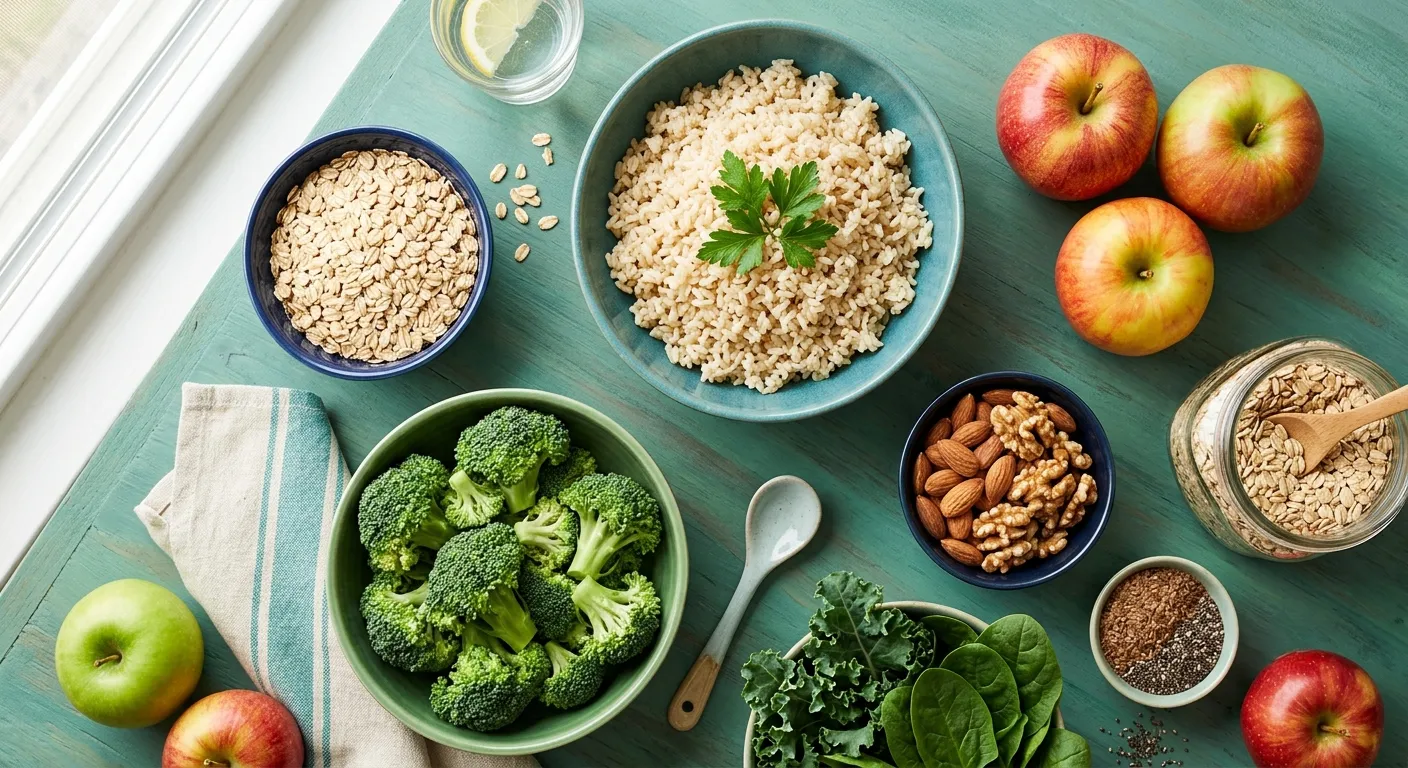
Diet plays a role in managing hemorrhoids that's just as important as medication or procedures. Simply helping stool pass more smoothly and regularly can reduce the pressure placed on the anus. Fiber absorbs water in the intestines, adding bulk and softness to stool, which in turn reduces how much force is needed during bowel movements — and with it, the pressure on anal blood vessels. Spicy, irritating foods and alcohol, on the other hand, can dilate blood vessels around the anus and irritate the mucosa, worsening itching and pain, so extra caution is warranted while symptoms are active.
Foods That Help
- High-fiber whole grains like brown rice and oats
- Green vegetables like broccoli and spinach
- Fruits eaten with the skin, like apples and pears
- Seaweed such as sea mustard and kelp
- Fermented foods like yogurt and kimchi
- At least 1.5–2 liters of water per day
Foods to Cut Back On
- Spicy foods like chili peppers and curry
- Excessive caffeine intake
- Frequent alcohol consumption
- A diet heavy in refined carbs like white rice and white bread
- Greasy, salty, heavily processed foods
That said, dietary change is more about consistency than quick results. Increasing fiber intake too suddenly can actually cause gas or bloating, so it's more effective to gradually raise your fiber intake over several days while also increasing your water intake to soften bowel movements.
Common Myths About Hemorrhoids
Because hemorrhoids are so common, plenty of misinformation circulates about them too. Knowing the actual facts helps reduce unnecessary anxiety and is the first step toward proper management.
| Common Myth | The Facts |
|---|---|
| Eating spicy food causes hemorrhoids immediately | Spicy food is less a direct cause and more a factor that aggravates existing symptoms. |
| Hemorrhoid surgery always requires a long hospital stay | Hospital stays vary by procedure, and same-day discharge options have become increasingly common. |
| A little blood on stool isn't worth worrying about | Even minor bleeding, if it recurs, is safer to have checked to confirm the exact cause. |
| Hemorrhoids are inevitable with age, so you just have to live with them | They are common, but stage-appropriate management and treatment can meaningfully improve symptoms. |
| Longer sitz baths are always better | 10–15 minutes is generally ideal; excessively long soaks can actually irritate or macerate the skin. |
Many of the beliefs surrounding hemorrhoids turn out to be exaggerated or only partially true. Rather than relying on information from the internet or word of mouth, the most reliable approach is to base your management plan on an accurate diagnosis and a specialist's explanation tailored to your specific condition.
Lifestyle Habits for Prevention
Hemorrhoids aren't always fully preventable, but consistently practicing a few lifestyle habits can meaningfully lower your risk and help keep symptoms from worsening.
- Limit time on the toilet: Set a rule of 5 minutes or less on the toilet, and leave your smartphone outside the bathroom. Sitting out of habit, even without the urge to go, places unnecessary strain on anal blood vessels.
- Stretch every 50 minutes: If you sit for long stretches at work, get up and move lightly every 50 minutes to help circulation in the anal area. Setting an alarm can make it easier to build the habit of standing up briefly.
- Exercise regularly: Walking and light aerobic exercise stimulate bowel movement and help prevent constipation. When lifting heavy weights during strength training, be mindful of your breathing, since abdominal pressure can spike sharply just as it does during a bowel movement.
- Make sitz baths a habit: Even without symptoms, regular warm sitz baths support hygiene and circulation around the anus.
- Prioritize water and fiber: Drink 1.5–2 liters of water daily and eat plenty of vegetables and fruit to keep stool soft.
- Use proper bowel-movement posture: Placing a low footstool under your feet so your knees sit slightly higher than your hips is thought to straighten the anal canal naturally, reducing the strain of pushing.
Pelvic Floor (Kegel) Exercises for Anal Health
Kegel exercises were originally designed to prevent urinary incontinence, but they're also known to support circulation around the anus and strengthen the pelvic floor, which may help prevent hemorrhoids. They require no special equipment and can be done simply while sitting or lying down.
- Step 1: In a comfortable seated or lying position, contract your anal and pelvic floor muscles as if holding in urine.
- Step 2: Hold the contraction for 5 seconds, making sure not to engage your abdomen or thighs.
- Step 3: Slowly release and relax completely for 5 seconds.
- Step 4: Repeat this 10 times per set, about 3 sets a day.
It's important to breathe naturally throughout, without holding your breath. Starting with just one set a day and gradually increasing as tolerated is recommended.
Practical Everyday Tips for Living with Hemorrhoids
- Choose breathable underwear: Loose-fitting cotton underwear, rather than tight synthetic fabrics, helps reduce moisture and irritation around the anus.
- Use a donut cushion: If your job requires long periods of sitting, a donut-shaped cushion or gel seat can help distribute pressure away from the anal area.
- Wipe gently after bowel movements: Using wet wipes or a bidet instead of rubbing hard with dry toilet paper helps minimize irritation.
- Move periodically during long trips: On flights or long bus rides where sitting for hours is unavoidable, choosing an aisle seat and getting up to walk periodically helps circulation in the anal area.
- Keep a simple bowel diary: Jotting down bowel frequency, bleeding, and pain levels makes it much easier to describe how your symptoms have changed when you do see a doctor.
Most of the lifestyle habits covered so far help manage and prevent early hemorrhoids, but if the condition has already progressed or you notice any of the signs below, self-care alone may not be enough. In these cases, it's safer to see a specialist rather than wait.
See a Doctor Right Away If You Notice
- Heavy bleeding or continued bloody stool
- Dizziness, fatigue, or other signs suggestive of anemia
- Severe pain that persists for several days
- A prolapsed hemorrhoid that won't go back in even with manual pressure
- Unexplained weight loss or a clear change in bowel habits
Frequently Asked Questions
Will hemorrhoids go away on their own?
At a very early stage like stage 1, lifestyle improvements alone can lead to noticeable improvement, but the swollen vascular tissue itself doesn't typically disappear completely on its own. Symptoms often recur once bowel habits slip again, so if symptoms keep coming back, it's worth seeing a specialist.
Is hemorrhoid surgery very painful?
Surgical techniques and pain management have advanced considerably compared to the past. Pain level and recovery time vary by procedure, so it helps to discuss thoroughly with your medical team which method fits your situation. Combining prescribed pain medication with sitz baths after surgery can significantly reduce discomfort.
How should I manage hemorrhoids during pregnancy?
Hemorrhoids that develop during pregnancy often improve naturally after childbirth. Try sitz baths and dietary adjustments first, and only use medication after consulting both an obstetrician and a colorectal specialist. Lying on your side can also help reduce pressure on pelvic veins.
How can I tell the difference between hemorrhoids and colorectal cancer?
While bleeding patterns are said to differ, it's difficult to distinguish them reliably by appearance alone. Especially if you're 40 or older and experiencing bloody stool for the first time, or if it's accompanied by weight loss or changed bowel habits, a colonoscopy is the safer way to confirm the cause.
How often should I take a sitz bath?
Generally, taking a sitz bath 2–3 times a day after bowel movements, in water around 38–40°C (100–104°F) for 10–15 minutes, is recommended. Water that's too hot can irritate the skin, so be careful with temperature. Afterward, pat the area dry gently with a soft towel rather than rubbing.
What's the single most important prevention habit?
Keeping bowel movement time short and getting enough water and fiber. Consistently practicing just these two habits can significantly reduce the burden on your anus. Adding regular movement instead of prolonged sitting boosts prevention even further.
Does hemorrhoid medication work right away?
Oral vein-strengthening medications usually take several days to a few weeks to show gradual effects. For acute symptom relief, ointments or sitz baths tend to offer more immediate help, while medication tends to show clearer results when combined with lifestyle improvements.
A hemorrhoid prolapsed and the pain suddenly got much worse — is this an emergency?
A blood clot forming inside a prolapsed hemorrhoid can cause sudden, severe pain. This sometimes resolves on its own over time, but if the pain is very intense or persists for several days, it's best to see a colorectal specialist promptly for appropriate treatment.
Final Thoughts
Hemorrhoids are nothing to be embarrassed about — they're a common anal condition that can be well managed with accurate information. Don't dismiss early signs like bleeding or a foreign-body sensation during bowel movements; start with correcting bowel habits, sitz baths, and dietary management. Early-stage hemorrhoids at stage 1 or 2 can often improve significantly through these lifestyle changes alone, but it's also worth remembering that more advanced or recurring cases may call for active treatment such as procedures or surgery.
Above all, don't let embarrassment be the reason you delay care. For colorectal specialists, hemorrhoids are an extremely common condition they see every day, and the earlier they're caught, the smoother the treatment process tends to be. If your symptoms keep recurring or feel like they've progressed, the most reliable path forward is to visit a colorectal specialist near you for an accurate diagnosis rather than waiting. A small change in habits today can be the first step toward protecting your colorectal health going forward.