Can't remember the last night you didn't snore? Snoring isn't just a noise problem — it quietly erodes sleep quality for you and for whoever shares your bed. This guide walks through what actually causes snoring, whether nasal dilators live up to the hype, and when CPAP therapy is worth considering. Before you spend money on an unproven fix, let's look at what the evidence actually says.
This article is intended to provide general health and lifestyle information only. It is not a substitute for professional medical diagnosis, care, or treatment. If you have a specific condition or symptoms, please consult a qualified healthcare provider.
Why Do We Snore? The Real Causes
Snoring happens when air moving through a narrowed upper airway during sleep causes the surrounding soft tissue to vibrate. A cohort analysis published in a Nature-affiliated journal found that at least 30% of adults — and up to 50% in certain demographic groups — snore regularly. Reference material from UpToDate, a widely used clinical resource in sleep medicine, similarly notes that roughly 44% of men and 28% of women between 30 and 60 snore habitually, which makes it one of the most common sleep complaints around.
"Common," though, doesn't mean "one cause." Snoring is usually the result of several overlapping factors.
| Cause | What's happening |
|---|---|
| Weight gain | Extra tissue around the neck and throat physically narrows the airway. |
| Age-related muscle laxity | Throat and tongue muscles lose tone over time, making the airway more collapsible. |
| Nasal congestion / deviated septum | A structurally narrow or inflamed nasal passage pushes you toward mouth-breathing, which worsens snoring. |
| Enlarged tonsils / adenoids | Especially in children and teens, enlarged throat tissue can physically block airflow. |
| Alcohol, sedatives, smoking | These relax throat muscles and irritate the airway lining, increasing snoring frequency and intensity. |
| Sleep position | Sleeping on your back lets gravity pull the base of the tongue backward into the airway. |
| Family history / anatomy | Jaw and airway structure can be inherited, raising baseline risk. |
Before chasing a fix, it helps to figure out which of these applies to you — nasal-based snoring and throat-based snoring respond to very different solutions.
Where in the Airway the Sound Actually Comes From
Snoring generally originates in one of three places. The first is the nasal passage itself, narrowed by congestion or a deviated septum. The second is the soft palate and uvula, where loose tissue vibrates to produce the classic rattling sound most people associate with snoring. The third is the base of the tongue, which can fall backward during sleep and block the lower airway. Pinpointing the exact source from sound alone is difficult, but an ENT exam or a formal sleep study can identify which area is responsible.
Snoring patterns also shift with age and sex. In the same survey data referenced above, snoring rates climbed to roughly 60% of men and 40% of women in the 60–65 age range — a clear sign that risk rises with age regardless of gender.
| Simple Snoring | Possible Sleep Apnea | |
|---|---|---|
| Sound pattern | Steady, consistent tone | Alternates loud/quiet, with breathing pauses |
| Daytime condition | Generally fine | Noticeable sleepiness, poor focus |
| Other symptoms | Rare | Morning headaches, dry mouth, restless sleep |
| Recommended step | Lifestyle changes, try aids | Get a professional sleep study |
"Snoring isn't just a habit — it's a physical signal produced by structural or functional changes in the upper airway. Identifying the cause is the real first step to fixing it." – ENT & sleep-breathing specialist
Why Ignoring It Can Be Risky
Mild, occasional snoring is usually harmless. But loud, frequent snoring punctuated by pauses in breathing is a different story — it's one of the classic warning signs of obstructive sleep apnea (OSA), and a large share of OSA patients snore habitually.
A large home-monitoring study published in npj Digital Medicine, a Nature-family journal, found that people who spent a greater proportion of their sleep time snoring were significantly more likely to have uncontrolled hypertension — a finding often cited as evidence that snoring isn't purely cosmetic; it may be tied to cardiovascular health as well. Beyond blood pressure, chronic snoring has also been linked to:
- Daytime fatigue and poor concentration: Fragmented sleep prevents you from reaching deep, restorative sleep stages.
- Cardiovascular strain: Repeated drops in blood oxygen can affect blood pressure regulation over time.
- Cognitive and mood changes: Chronic sleep fragmentation has been associated with memory and mood issues.
- Relationship strain: Noise-driven sleep disruption is a genuine, common source of friction between partners.

Key Takeaway
Simple snoring and sleep apnea are not the same thing. If your snoring is unusually loud, you regularly wake up gasping or choking, or you experience severe daytime sleepiness, it's safer to see a doctor than to rely on self-help remedies alone.
Lifestyle Fixes You Can Try Tonight
Not every case of snoring needs a device or a procedure. Lifestyle adjustments alone resolve a surprising number of cases. Here's where to start.
- Manage your weight: Reducing fat around the neck widens the airway for many people. Gradual, sustainable change beats crash dieting here.
- Sleep on your side: Back-sleeping lets the tongue fall backward into the airway. Positional therapy — even something as simple as a pillow that discourages back-sleeping — has been reported to meaningfully reduce snoring for back sleepers.
- Cut back on evening alcohol: Alcohol relaxes throat muscles and worsens snoring; avoiding it within 2–3 hours of bedtime helps.
- Quit smoking: Smoke irritates the nasal and throat lining, contributing to inflammation and swelling.
- Keep a consistent sleep schedule: Sleep deprivation itself increases muscle laxity, which can make snoring worse.
- Rinse your nasal passages: A saline rinse before bed can temporarily relieve nasal congestion.
- Adjust your pillow height: A neck that's bent too far forward or backward narrows the airway. Aim for a pillow that keeps your neck and spine aligned.
- Manage bedroom humidity: Overly dry air irritates the nasal and throat lining and can worsen snoring; keeping humidity around 40–60% helps.
For weight, you don't need a dramatic transformation — losing just 5–10% of current body weight is often enough to reduce fatty tissue around the airway and produce a noticeable improvement. That said, pace and method should match your overall health, so working with a nutritionist or physician beats an aggressive crash diet.
These carry essentially no downside, so they're worth combining with the devices discussed next — nasal dilators and CPAP — rather than treating them as an either/or choice.
Do Nasal Dilators Actually Work?
Nasal dilators physically widen the nostrils to make nasal breathing easier, and they're particularly popular among people whose snoring stems from nasal congestion. They come in two main forms: external strips worn on the outside of the nose, and internal clips or stents inserted into the nostrils. Here's how they compare.
External Nasal Strips
An adhesive strip worn across the bridge of the nose, using spring tension to pull the nostrils outward. The FDA has cleared these external strips for temporary relief of nasal congestion and snoring reduction — but not as a treatment for obstructive sleep apnea (OSA) itself.
Several systematic reviews find that external strips can help people whose snoring is primarily nasal in origin, but the effect size varies widely between individuals and often isn't statistically robust. In other words: "doesn't work at all" is too strong a claim, but "works reliably for everyone" isn't accurate either.
Internal Nasal Dilators
Inserted gently into the nostrils, these widen the internal nasal valve. Some clinical studies report larger reductions in snoring with internal dilators compared to external strips, though sample sizes tend to be small and results vary, so it's best to treat these findings as suggestive rather than conclusive. Because they're reusable, hygiene during long-term use also matters.
That said, if your snoring originates further back — from the soft palate or base of the tongue rather than the nose — neither type of nasal dilator is likely to make a noticeable difference.
Note: When snoring originates in the throat rather than the nose, nasal dilators tend to have limited effect. Multiple meta-analyses have repeatedly concluded that nasal dilators alone don't meaningfully lower the apnea-hypopnea index (AHI) in sleep apnea.
Choosing and Using a Nasal Dilator
If you're trying one for the first time, start with a relatively cheap, low-commitment external strip for a few nights before moving to an internal dilator if you notice improvement. A poor size fit reduces effectiveness and can actually add discomfort, so check each product's sizing guide carefully. Nasal dilators can also help temporarily during a cold or allergy flare-up, but if congestion is chronic, it's worth addressing the underlying cause — allergic rhinitis, a deviated septum, and so on — rather than relying on the dilator alone.
Key Takeaway
Nasal dilators are worth trying if nasal congestion is genuinely your bottleneck — but they're not a diagnostic or treatment tool for sleep apnea. If you're considering one as part of how to stop snoring, first confirm that a blocked nose is actually the root cause.
Is CPAP the Final Answer?
CPAP (Continuous Positive Airway Pressure) delivers a steady stream of pressurized air through a mask during sleep, physically holding the airway open so it can't collapse. It remains one of the most extensively studied and widely used treatments for both snoring and sleep apnea.
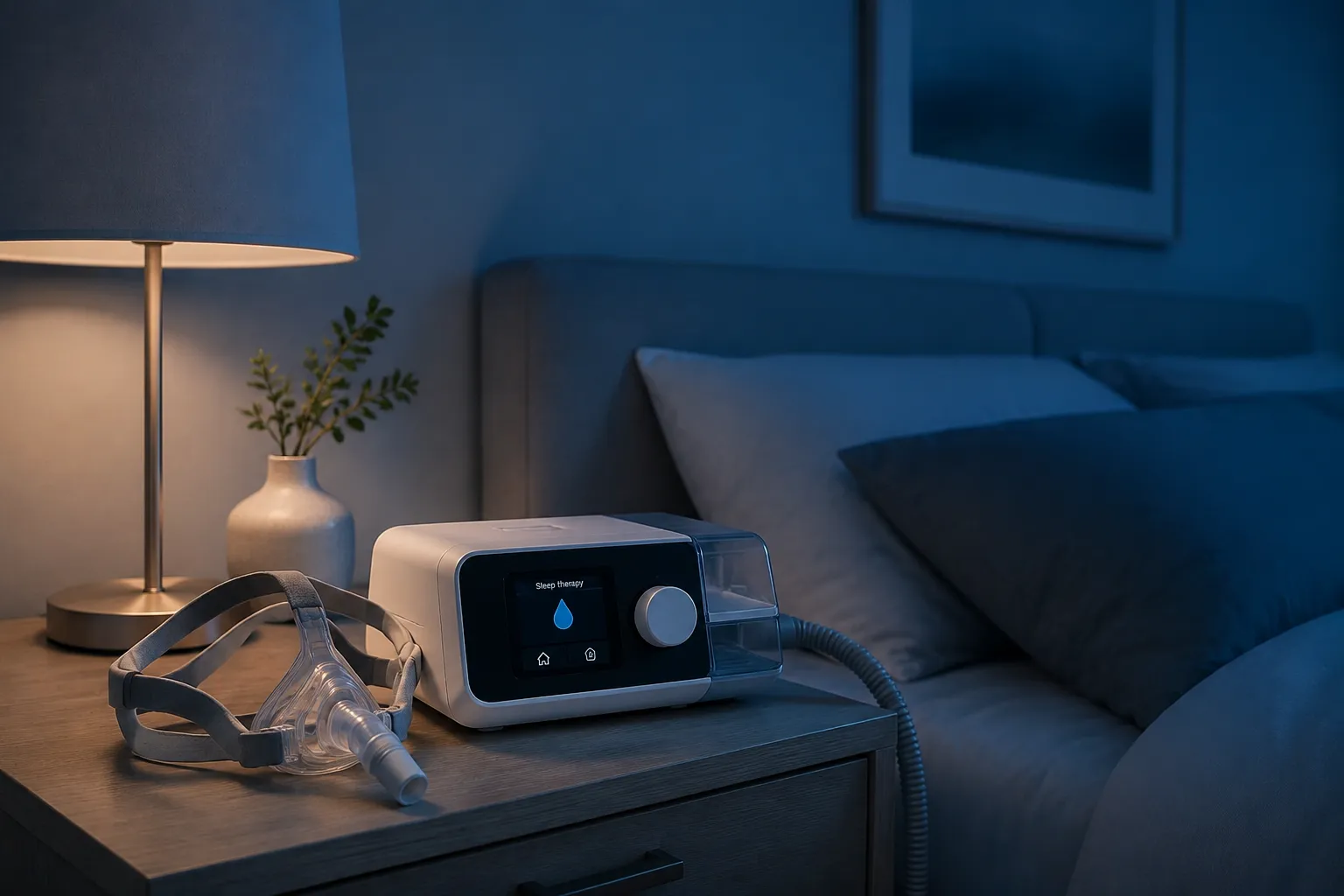
| Aspect | Details |
|---|---|
| How it works | Delivers constant air pressure through a mask to keep the airway from collapsing. |
| Effectiveness | With consistent nightly use, CPAP therapy is reported to be successful in at least 80% of cases. |
| Biggest obstacle | Roughly a third of CPAP owners stop using it within months, usually due to discomfort — consistency is the real challenge. |
| How it's prescribed | Typically follows a sleep study confirming the presence and severity of sleep apnea. |
If CPAP feels hard to get used to, these adjustments can help:
- Refit your mask: A poorly fitted mask causes air leaks and pressure discomfort — trying a few styles to find the right fit matters.
- Use built-in humidification: If dryness irritates your nose or throat, a humidified unit can help.
- Try ramp/pressure-adaptation settings: Gradually increasing pressure at the start of the night, rather than starting at full pressure, eases adjustment.
- Stay in touch with your sleep clinic: Regular follow-up during the early adjustment period improves long-term adherence.
Oral appliances (mandibular advancement devices) and surgical options may also be considered in certain cases, but these require a precise diagnosis — they're best decided in consultation with a specialist rather than on your own.
Coverage for CPAP therapy varies by country and insurance plan. In South Korea, for example, patients confirmed to have moderate or more severe sleep apnea through a sleep study may qualify for partial national health insurance coverage on device rental costs, subject to eligibility criteria. Wherever you live, your treating clinic or insurer is the most reliable source for exact coverage and out-of-pocket costs.
When to See a Doctor & FAQ
If any of the following apply to you, it's worth pursuing a proper sleep study rather than relying on self-management alone.
- Your snoring is loud enough that others hear it from another room
- You repeatedly wake up gasping or choking
- A bed partner has witnessed you stop breathing briefly during sleep
- You feel excessively sleepy or fatigued during the day despite "enough" sleep
- You frequently wake with a headache or dry mouth
- You have hypertension, arrhythmia, or another cardiovascular condition
Do nasal dilators have side effects?
They're generally safe, but external adhesive strips can irritate skin, and internal dilators can cause a foreign-body sensation or nasal irritation. If discomfort persists, stop using it and consult an ENT specialist.
Do I need to use CPAP forever?
Some people see major improvement after weight loss or treating an underlying condition, but sleep apnea tends to be chronic for most people, often requiring long-term use. Duration and any changes should always be discussed with your treating physician.
Is snoring genetic?
Jaw structure and airway anatomy can be inherited, and a family history of snoring is associated with higher rates in offspring. That said, acquired factors like weight, alcohol use, and sleep position play a major role too.
Can weight loss alone fix snoring?
When obesity is the primary driver, weight loss alone often brings substantial improvement. But if there's also a nasal or tonsil-related cause, weight loss alone may not be enough.
Can I check for sleep apnea myself?
Snore-recording apps and smartwatch sleep tracking can offer clues, but an accurate diagnosis requires a clinical sleep study. If you suspect sleep apnea, a professional evaluation is the safer route.
Which type of doctor should I see first?
An ENT specialist or a sleep clinic is usually the right starting point. If nasal congestion is your main complaint, start with ENT; if snoring comes with apnea, obesity, or cardiovascular concerns, look for a sleep center that can perform a full sleep study.
Does the same approach apply to snoring in children?
Childhood snoring is more often driven by enlarged tonsils or adenoids, so the approach differs from adults. If a child snores heavily or sleeps very restlessly, it's best to see a pediatrician or ENT specialist rather than trying self-management first.
How to Stop Snoring: A Quick Comparison
Here's how the approaches covered above stack up by evidence level and who they suit best — use it to decide where to start.
| Approach | Best for | Evidence & caveats |
|---|---|---|
| Lifestyle changes | Mild-to-moderate snoring driven by weight, alcohol, or position | Virtually no downside; consistency matters most |
| Nasal dilators | Snoring driven mainly by nasal congestion | Effect varies by person; not an OSA treatment |
| CPAP | Confirmed moderate-to-severe sleep apnea | Highly effective, but requires consistent nightly use and a prescription |
| Oral appliances / surgery | Cases with a clear, specific anatomical cause | Requires precise diagnosis and specialist input |
This article is intended to provide general health and lifestyle information only. It is not a substitute for professional medical diagnosis, care, or treatment. If you have a specific condition or symptoms, please consult a qualified healthcare provider.
How to stop snoring really depends on where it's coming from. Some people need nothing more than a lifestyle tweak; others benefit from a nasal dilator; and for some, a proper CPAP prescription is genuinely necessary. The key is figuring out which category you're in. Use the checklist above, and don't hesitate to talk to a specialist if anything sounds familiar.