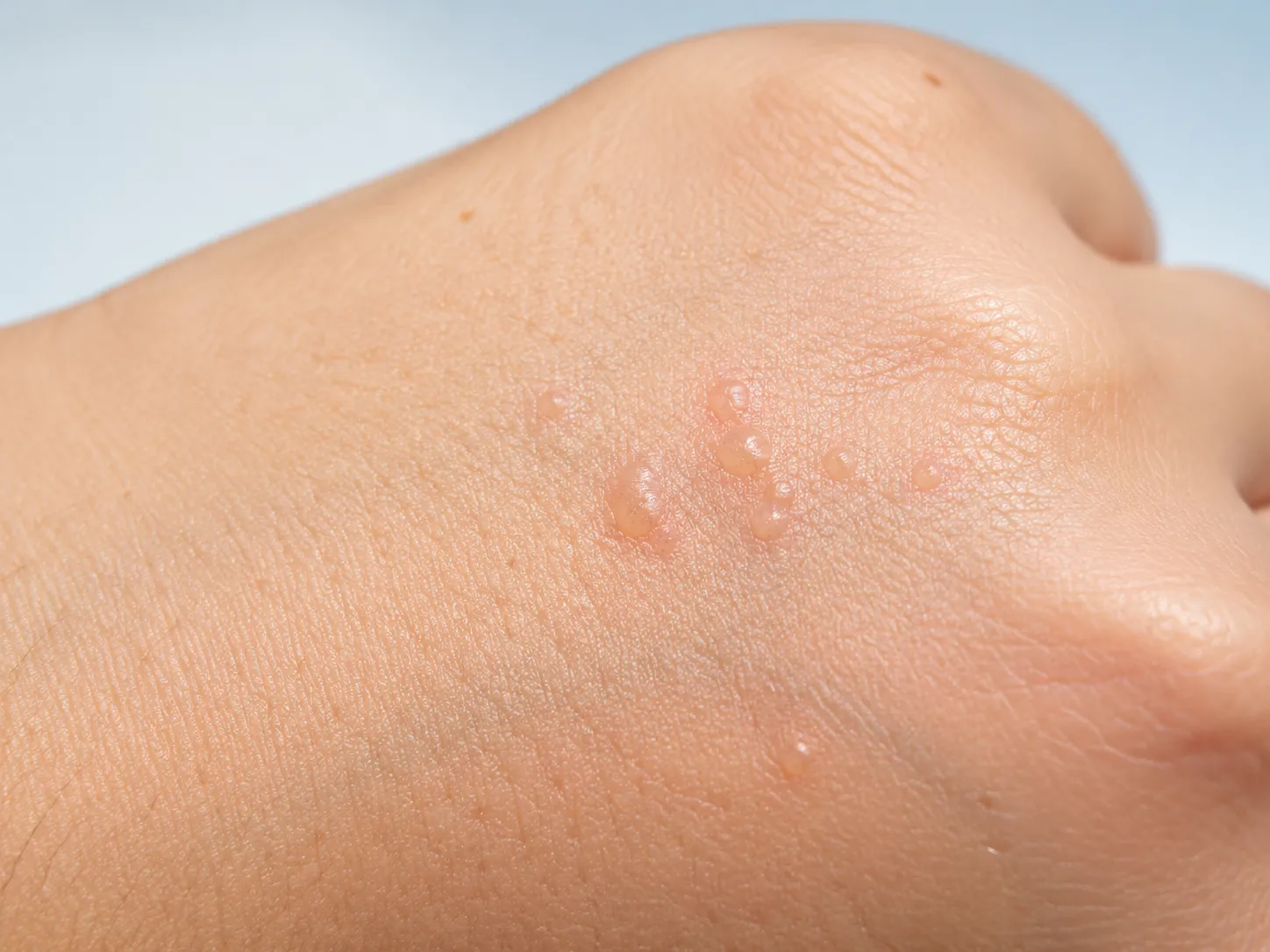
When blisters suddenly appear on your hands or feet, it's easy to shrug them off as "probably athlete's foot" or "just heat rash." But lumping every blister under one label misses something important: the diseases hiding behind that symptom can be wildly different. Some blisters clear up on their own within days. Others are the first sign of an autoimmune disease that can spread across the body and seriously affect quality of life. Pemphigus and dyshidrotic eczema (pompholyx) sound alike and can even look alike at first glance — so let's walk through exactly how different they really are, and which one the blisters on your skin right now are more likely to be.
Before you read on
This article is written to provide general health and lifestyle information. It is not a substitute for a medical diagnosis, consultation, or treatment from a licensed physician. If you have a specific condition or symptoms, please consult a qualified healthcare professional.
Not All Blisters Are the Same Disease
Dermatology clinics see people walk in every day saying "I've got a blister problem," yet the actual diagnosis behind that complaint varies enormously. A simple friction blister from a new pair of shoes. A burn blister. Viral blisters from shingles or hand-foot-mouth disease. Contact dermatitis. And, as we'll cover here, pemphigus and dyshidrotic eczema — two conditions with completely different mechanisms. A blister isn't a diagnosis; it's a symptom that dozens of different conditions happen to share.
If you search "hand blisters" or "blistering skin disease" online, pemphigus and dyshidrotic eczema often show up side by side as related searches. Part of the reason is simply that both names describe a blister-forming disease — but the patients a dermatologist actually sees for each are worlds apart. Dyshidrotic eczema is fairly common, especially among people in their 20s to 40s, while pemphigus is a much rarer autoimmune disease.
Here's a short list of conditions that commonly cause blisters:
- Simple friction blisters (new shoes, repeated rubbing and pressure)
- Burn blisters
- Viral blisters — shingles, herpes simplex
- Hand-foot-mouth disease (mostly in young children)
- Contact dermatitis (allergic reactions to cosmetics, metals, plants)
- Autoimmune blistering diseases — pemphigus, bullous pemphigoid
- Eczematous blistering conditions — dyshidrotic eczema
Laid out like this, it becomes clear that "blisters" alone can never be enough for an accurate diagnosis. Dermatologists typically weigh four factors when sorting through blistering conditions: where the blisters are located (confined to hands and feet, or spreading to the mouth and trunk), their size and firmness, whether pain or itching dominates, and whether systemic symptoms like fever are present.
This article is written for anyone currently worried about unexplained blisters on their hands, feet, or mouth; for anyone already diagnosed with pemphigus or dyshidrotic eczema who wants a clearer picture; and for anyone looking out for a family member or friend. We'll walk through causes, symptoms, and treatment for both conditions in order, then finish with the warning signs that call for a doctor's visit and answers to the questions people ask most often.
Key Takeaway
A blister is a symptom, not a diagnosis. Location, size, whether it's painful or itchy, and any accompanying systemic symptoms all matter for an accurate distinction.
"Blisters can look similar on the surface, but what's happening underneath can be completely different. An accurate diagnosis is the real starting point for the right treatment." – Dermatology consult note
What Is Pemphigus? When the Immune System Attacks the Skin
Autoimmune diseasePemphigus produces blisters, but unlike an infection, the culprit isn't a bacterium or a virus — it's the body's own immune system.
Why and How Pemphigus Happens
In healthy skin, epidermal cells are held tightly together by an adhesion protein called desmoglein. In someone with pemphigus, the immune system mistakenly produces autoantibodies against desmoglein. These antibodies attack the connections between cells, causing them to separate — a process called acantholysis. The result is a thin, fragile blister sitting just under the surface of the skin that bursts easily at even the slightest friction. Think of epidermal cells as bricks: desmoglein is the mortar holding them together. Pemphigus is essentially the immune system dissolving that mortar on its own. According to Korean medical references, pemphigus tends to be somewhat more common in certain ethnic groups and regions, and typically appears in people in their 30s and 40s. It remains a rare disease overall, but once it develops, it tends to follow a chronic course that requires long-term management.
Early symptoms are easy to miss for a specific reason. Pemphigus vulgaris often starts in the mucous membranes of the mouth before it ever appears on the skin — showing up first as unusual sensitivity to hot or spicy foods, or gums that bleed or break down easily while brushing. Because these early signs look like ordinary mouth ulcers or gum trouble, many people dismiss them for weeks before skin blisters appear and finally prompt a doctor's visit.
Two Main Types of Pemphigus
- Pemphigus Vulgaris: the most common and clinically most serious form. Antibodies primarily target desmoglein 3, and the disease often begins with mucosal ulcers — mouth, esophagus, genital mucosa — which are frequently mistaken for ordinary mouth sores at first. Blisters can later spread to the trunk and scalp.
- Pemphigus Foliaceus: antibodies primarily target desmoglein 1, affecting a more superficial layer of the epidermis. Because of this, it usually doesn't involve mucous membranes and tends to appear as crusted lesions on the scalp, face, chest, and back. It generally follows a milder course than pemphigus vulgaris.
Because pemphigus blisters have only a thin "roof" of upper epidermis, they rupture very easily, leaving raw, poorly-healing erosions behind. This is also why gently rubbing normal-looking skin can cause the top layer to shear off — a finding known as the Nikolsky sign, an important clinical clue dermatologists look for when pemphigus is suspected.
Why Pemphigus Is Often Diagnosed Late
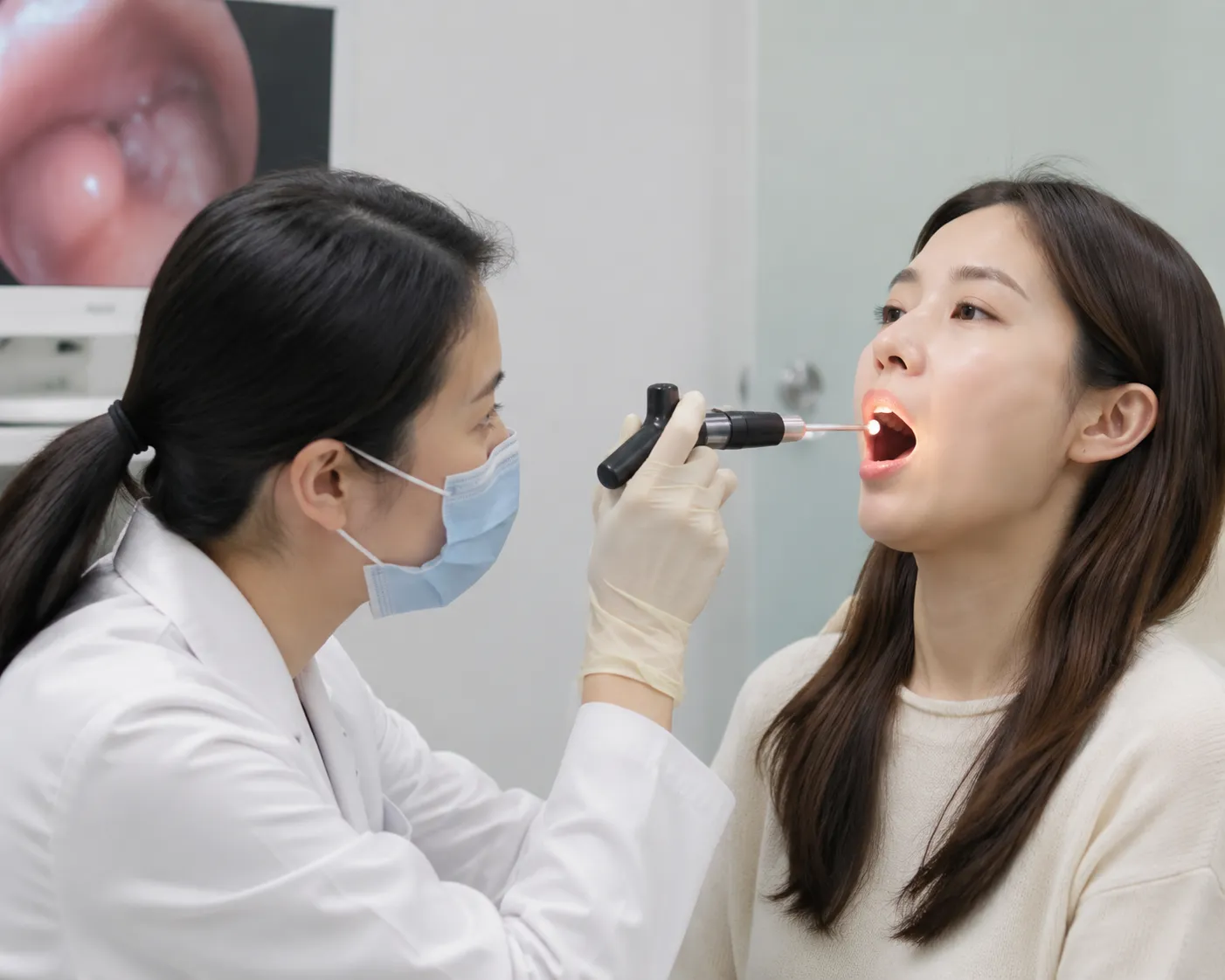
There are a few common reasons pemphigus diagnosis gets delayed. Mouth blisters aren't visible from the outside, so patients themselves often brush them off. Early lesions can resemble stress-related mouth ulcers or allergic hives, leading people to see a dentist or an ENT specialist first, which costs valuable time. And because it's a rare disease, it isn't always the first thing that comes to mind in a general practice setting. Knowing the "see a doctor immediately" warning signs covered later in this article can meaningfully shorten that delay.
How Is It Diagnosed?
When pemphigus is suspected, dermatologists take a small punch biopsy from an intact area near a blister and examine it under a microscope for signs of acantholysis. Immunofluorescence testing, which checks for autoantibody deposits between epidermal cells, is essential for confirming the diagnosis. Blood tests measuring desmoglein autoantibody levels can also help gauge disease activity.
Why Early Diagnosis Matters
In the past, widespread blistering could lead to significant fluid loss and secondary infection, sometimes with serious consequences. Since corticosteroids and immunosuppressants became standard treatment, outcomes have improved dramatically. Even so, the longer diagnosis is delayed, the more the disease tends to spread and involve mucous membranes, which can lengthen the overall course of treatment. If mouth blisters persist for more than two weeks or keep spreading, don't assume it's "just a mouth ulcer" — see a dermatologist or oral medicine specialist.
| Category | Details |
|---|---|
| Classification | Autoimmune blistering disease |
| Cause | Autoantibodies against desmoglein |
| Typical age | 30s–40s |
| Main areas | Oral mucosa, scalp, trunk — potentially widespread |
| Hallmark sign | Nikolsky sign; thin blisters that rupture easily |
| Course | Chronic, with possible remission and relapse |
What Is Dyshidrotic Eczema (Pompholyx)? A Common, Recurring Blistering Rash
Eczematous conditionThe name "dyshidrotic" suggests a problem with sweat glands, but the condition is actually classified as a type of eczema rather than a true sweat gland disorder. It's also known as pompholyx or, in Korean medical terminology, "cold-type eczema."
Known Triggers
The exact cause isn't fully understood, but stress, hyperhidrosis (excessive sweating), nickel and cobalt allergies, exposure to detergents and rubber gloves, chemical exposure, smoking, and oral contraceptives have all been reported as contributing factors. It tends to appear more often in people in their 20s to 40s, especially those whose hands are frequently exposed to water or detergents, such as people doing housework or working in service jobs. With everyday nickel exposure increasing through smartphones, car keys, and jewelry, metal-allergy-related cases are also frequently noted. Among hairdressers, food service workers, and cleaning staff — anyone whose hands are constantly in water or chemicals — dyshidrotic eczema can recur almost like an occupational skin condition, making workplace protective measures just as important as treatment itself.
Symptoms by Stage
- Stage 1 – Itching: Itching or tingling on the palms, sides of the fingers, or soles often appears before any visible blister.
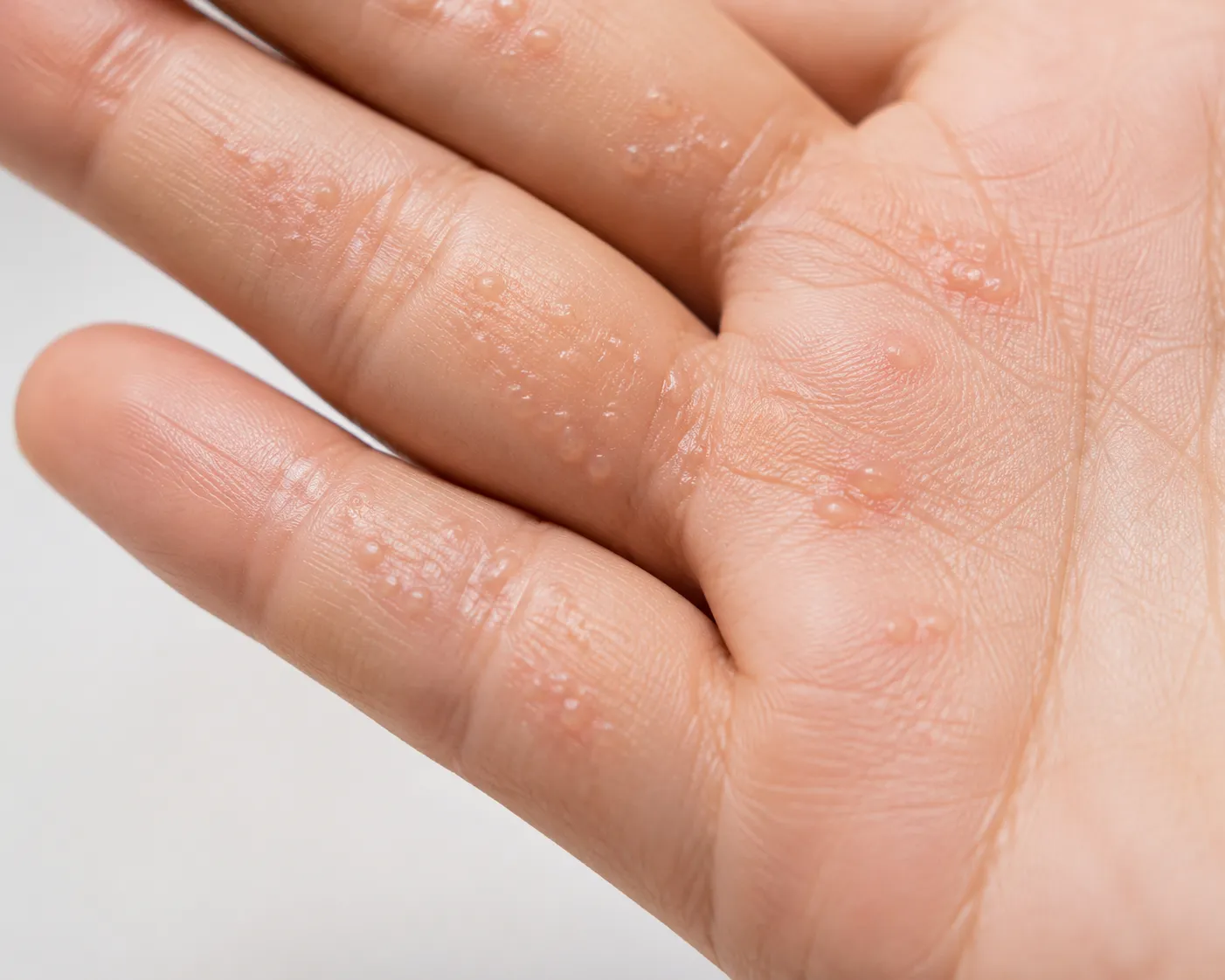
- Stage 2 – Blister formation: Clusters of small, firm, clear blisters about 1–2mm in size appear. Unlike pemphigus blisters, they don't rupture easily.
- Stage 3 – Flare-up: Small blisters can merge into larger ones, sometimes accompanied by redness and intense itching.
- Stage 4 – Recovery: As blisters subside or burst naturally, the skin peels and cracks, and can actually feel more sensitive and sore during this phase.
Recurrence is the single biggest frustration with dyshidrotic eczema. Since it isn't caused by bacteria or viruses, it isn't contagious — but it can flare up again anytime you're under stress, going through a change of season, or re-exposed to an irritant. Left untreated, or if triggers are never addressed, it can progress into chronic eczematous dermatitis.
Learning to Recognize the Early Warning Signs of a Flare
People who've dealt with dyshidrotic eczema before often learn to notice subtle warning signs before a flare begins — a palm that feels drier and tighter than usual, or a specific spot that's unusually itchy, are common early cues. Stepping up moisturizing and cutting back on irritant exposure at this stage can sometimes soften the flare considerably before blisters fully develop.
Why Certain Occupations See It So Often
In clinical practice, dyshidrotic eczema shows up again and again among caregivers, hairdressers, cooks, and cleaning staff whose hands are constantly exposed to water, detergents, and chemicals. Washing and drying your hands dozens of times a day strips away the skin's protective lipid layer, weakening its natural defenses; combine that with detergent residue or the humid environment inside rubber gloves, and irritation builds up over time. For people in these occupations, wearing protective gear at work is just as important a strategy as treatment for reducing recurrence.
Other Hand Conditions It's Easily Confused With
Dyshidrotic eczema is commonly mistaken for athlete's foot (a fungal infection) or contact dermatitis. Athlete's foot is caused by moisture and fungus between the toes or on the soles and responds to antifungal medication, but dyshidrotic eczema has nothing to do with fungus or bacteria, so antifungal creams won't help. Contact dermatitis tends to appear only where the skin actually touched an irritant, whereas dyshidrotic eczema often appears symmetrically on both palms and finger sides without any clear point of contact. If the diagnosis is unclear, a dermatologist visit is the surest way to sort it out.
Its Impact on Daily Life and Work
Dyshidrotic eczema isn't life-threatening, but recurring blisters and itching on the hands cause real day-to-day disruption. Housework that requires frequent water contact, office jobs involving hours of typing, and service jobs with frequent handshakes can all become sources of stress when symptoms flare. For this reason, dyshidrotic eczema is seen as more than a minor skin issue — it's closely tied to quality of life, and lifestyle management to reduce recurrence is emphasized just as much as treatment itself.
| Category | Details |
|---|---|
| Classification | Eczema (non-inflammatory blistering skin condition) |
| Cause | Presumed: stress, hyperhidrosis, metal allergy, irritants |
| Typical age | 20s–40s |
| Main areas | Palms, sides of fingers, soles |
| Hallmark sign | Firm blisters that don't rupture easily; intense itching |
| Course | Mostly localized; frequently recurring |
Pemphigus vs. Dyshidrotic Eczema: The Key Differences at a Glance
Putting everything above into a single table makes the differences obvious. The names may sound alike, but classification, risk level, and treatment approach barely overlap at all.
| Comparison | Pemphigus | Dyshidrotic Eczema |
|---|---|---|
| Classification | Autoimmune blistering disease | Eczema (non-inflammatory blistering) |
| Contagious? | No | No |
| Main areas | Oral mucosa, scalp, trunk — widespread | Palms, sides of fingers, soles only |
| Blister quality | Thin, ruptures easily, leaves raw erosions | Small, firm, clear, rarely ruptures |
| Dominant sensation | Pain, burning | Itching |
| Risk level | Widespread spread, infection, fluid loss if untreated | Mostly localized, not life-threatening |
| Recurrence/chronicity | Can relapse even after remission; long-term management | Very frequent recurrence with stress/season |
| Main treatment | Systemic steroids, immunosuppressants, biologics | Topical steroids, moisturizing, avoiding irritants |
| Diagnosis | Skin biopsy, immunofluorescence, autoantibody testing | Mainly clinical; patch testing if needed |
Key Takeaway
Pemphigus is an autoimmune disease that often requires systemic treatment. Dyshidrotic eczema is a type of eczema managed mainly with topical treatment and irritant avoidance. Telling them apart is the first step toward the right treatment path.
Three Quick Checkpoints You Can Spot With Your Eyes
Before heading to a clinic, here are three things worth observing about your blisters. These are for reference only and don't replace an actual diagnosis.
- ① Where are the blisters? Spreading to the mouth or trunk points more toward pemphigus; confined to the hands and feet points more toward dyshidrotic eczema.
- ② What happens when you press gently? Bursting easily and leaving a raw patch suggests pemphigus; firm and hard to pop suggests dyshidrotic eczema.
- ③ Which sensation is stronger? A burning pain leans toward pemphigus; unbearable itching leans toward dyshidrotic eczema.
Telling Them Apart From Other Similarly-Named Blistering Conditions
Some blistering diseases have names or symptoms that are even more likely to cause confusion. Bullous pemphigoid is another autoimmune blistering disease, but the antibodies attack a deeper layer — the junction between the epidermis and dermis, rather than within the epidermis itself. As a result, its blisters are thicker and firmer than pemphigus blisters, harder to rupture, and it typically affects older adults with rare mucosal involvement.
| Category | Pemphigus | Bullous Pemphigoid | Dyshidrotic Eczema |
|---|---|---|---|
| Typical age | 30s–40s | Older adults | 20s–40s |
| Blister quality | Thin, ruptures easily | Thick and firm | Small and firm |
| Mucosal involvement | Common (especially vulgaris) | Rare | None |
| Classification | Autoimmune | Autoimmune | Eczema |
A brief comparison with other common blistering conditions is worth adding here too. Shingles occurs when a dormant virus reactivates along a nerve pathway, producing a band-like cluster of blisters on one side of the body along with severe pain. Hand-foot-mouth disease, common in young children, causes fever alongside blisters in the mouth, on the palms, and on the soles at the same time. Because conditions causing blisters are so varied, the shape, distribution, and accompanying symptoms all need to be weighed together for an accurate distinction.
Contagiousness is worth paying particular attention to. Impetigo, common in children, is a bacterial infection (typically staph or strep) that causes blisters which rupture and form a honey-colored crust — and it can spread through contact. If you notice a single, painful blister confined to a fingertip, herpetic whitlow (a herpes virus infection) is also worth considering. By contrast, neither pemphigus nor dyshidrotic eczema — the two conditions this article focuses on — is contagious, so there's no need to avoid contact with others simply because of the blisters themselves. That said, if you're not yet sure which condition you're dealing with, it's safest to keep the area clean and avoid touching it directly until you have a clear diagnosis.
Warning Signs That Mean You Should See a Doctor Right Away
What matters more than the blister itself is what kind of blister it is. If any of the following apply to you, it's worth seeing a dermatologist promptly rather than waiting it out or relying on home remedies.
Signs That Call for Immediate Care
- Blisters or ulcers appear in the mouth or on the gums first, and swallowing becomes painful
- Blisters spread to multiple areas — trunk, scalp — with no clear contact or trigger
- Rubbing normal-looking skin causes the top layer to shear or peel off
- A ruptured blister doesn't heal and keeps weeping fluid for more than two weeks
- Fever, chills, or overall weakness accompany the blisters
- What you thought was dyshidrotic eczema doesn't respond to treatment or persists/spreads beyond six weeks
- Skin around a blister turns red, swollen, warm, and increasingly painful (possible bacterial infection)
If even one of these applies to you, see a dermatologist for an accurate diagnosis rather than relying on home remedies. For pemphigus in particular, multiple clinical reports consistently show that the earlier it's caught and treated, the better the outcome tends to be.
Widespread blistering is dangerous for a reason that goes beyond appearances. Skin is the body's barrier against bacteria and fluid loss — when large areas of that barrier are stripped away, the situation resembles a burn injury: fluid and electrolytes leak out, and bacteria can enter through the openings, raising the risk of secondary infection or even sepsis. If blisters keep increasing rather than staying confined to a few spots, that's exactly why you shouldn't wait to be seen.
How Are They Treated?
The two conditions call for entirely different treatment approaches. Pemphigus centers on systemic immune modulation, while dyshidrotic eczema is managed mainly through local inflammation control and avoiding irritants.
Treating Pemphigus
- Systemic corticosteroids: the standard first-line treatment, quickly suppressing inflammation and the autoimmune response. Long-term, high-dose use can cause side effects like osteoporosis, elevated blood sugar, and increased infection risk, so careful dose management is important.
- Immunosuppressants: drugs such as azathioprine or mycophenolate mofetil, used alongside steroids, help maintain effectiveness while allowing lower steroid doses — a widely used combination.
- Biologics: rituximab and similar agents that target specific immune cells have become an established treatment option for moderate-to-severe adult pemphigus, offering a new alternative for patients who don't respond adequately to conventional treatment.
- Intravenous immunoglobulin (IVIG): sometimes used alongside other treatments in severe cases to help modulate the immune response.
Treating Dyshidrotic Eczema
- Topical corticosteroids: the standard first-line treatment for calming inflammation and itching.
- Cool compresses: applying something cool during an acute flare can help ease itching and burning.
- Moisturizing: once blisters subside, the skin barrier is weakened, so consistent moisturizing helps prevent recurrence.
- Additional options: short courses of oral steroids or phototherapy (UV treatment) may be considered for more severe cases.
- Identifying the trigger: if a nickel or cobalt allergy is suspected, patch testing can confirm the culprit substance, and avoiding it is the most fundamental way to prevent recurrence.
Managing Steroid Side Effects
Systemic corticosteroids, the backbone of pemphigus treatment, are highly effective — but long-term use requires managing several side effects along the way.
| Side Effect | Management |
|---|---|
| Osteoporosis | Calcium/vitamin D supplementation, regular bone density scans |
| Elevated blood sugar | Regular glucose monitoring, moderating sugar intake |
| GI upset | Gastroprotective medication, avoiding doses on an empty stomach |
| Higher infection risk | Staying current on vaccinations, careful hygiene |
What's Changed Since Biologics Arrived
In the past, patients who didn't respond well enough to steroids and immunosuppressants could face real treatment challenges. Since biologics like rituximab were introduced as a treatment option, more reports point to lower relapse rates and reduced steroid duration and dosage. It reflects a broader shift in pemphigus care — from simply suppressing symptoms toward sustaining long-term remission.
How You Approach Treatment Matters Too
For pemphigus, the timing and pace of steroid tapering matter enormously. Stopping medication on your own once you feel better can cause symptoms to rebound or make the disease harder to treat, so tapering should always happen gradually and under medical guidance. Dyshidrotic eczema is similar in its own way: letting moisturizing and irritant avoidance slide once symptoms disappear often invites a quick recurrence, so consistent care during symptom-free periods is actually the key to preventing flares.

How Long Does Recovery Take?
The two conditions differ enormously in recovery time. With dyshidrotic eczema, topical treatment often brings noticeable relief from blisters and itching within one to two weeks. But that's just how long it takes for this particular flare to settle — it doesn't prevent future recurrence, so continuing irritant avoidance and moisturizing habits after symptoms clear is still important.
Pemphigus is a different story. Treatment generally unfolds in three broad stages: a control phase, using high-dose steroids or immunosuppressants to quickly stop new blisters from forming; a remission-induction phase, gradually tapering medication while keeping symptoms suppressed; and a maintenance phase, staying flare-free on the lowest effective dose. This process can take anywhere from several months to several years — a journey that requires patience from both patient and physician.
| Recovery Stage | Pemphigus | Dyshidrotic Eczema |
|---|---|---|
| Acute response | Controlled with high-dose steroids | Topical treatment and cool compresses |
| Time to improvement | Weeks to months | Usually 1–2 weeks |
| Ongoing management | Low-dose maintenance, regular checkups | Irritant avoidance, continued moisturizing |
The Emotional Side of a Visible Skin Condition Deserves Care Too
Recurring blisters and itching, or skin lesions that are visible to others, can weigh on you emotionally as well as physically. Dyshidrotic eczema flaring up on the hands can make everyday moments like shaking hands or typing feel uncomfortable, and a long treatment course for pemphigus can leave anyone feeling worn down — that's a completely natural response. Rather than bottling those feelings up, talking openly with your care team, or connecting with others who've been through something similar, can be an important part of the recovery process too.
Daily Habits That Help Manage and Prevent Flare-Ups
Habits That Help With Both Conditions
- Manage stress: regular exercise and enough sleep help lower stress, which can worsen both conditions.
- Minimize skin irritation: avoid scratching or rubbing blisters or damaged skin, and wear loose, soft clothing.
- Keep up with follow-up visits: for pemphigus especially, never stop medication on your own just because symptoms have improved.
If You Have Dyshidrotic Eczema
- Wear cotton gloves under rubber gloves for dishwashing or cleaning.
- Dry your hands completely after washing them.
- Cut back on contact with nickel-containing jewelry, belt buckles, and coins.
- Apply a fragrance-free, low-irritant moisturizer consistently as soon as blisters start to subside.
If You're Managing Pemphigus
- If you're on long-term steroids, keep up with regular bone density, blood sugar, and blood pressure checks.
- If oral mucosa is involved, use a soft toothbrush and low-irritant oral care products.
- Check regularly for signs of infection around wounds — redness, warmth, or pus — so they can be caught early.
Diet and Daily Rhythm
There's no specific "treatment diet," but a balanced diet and regular sleep are basic to keeping the immune system in balance. Excessive alcohol and smoking are both cited as factors that can worsen either condition, so it's worth reviewing your overall lifestyle habits alongside any treatment.
Practical Tips by Setting
| Setting | Tip |
|---|---|
| Home (kitchen/bathroom) | Wear cotton gloves under rubber gloves for dishes/cleaning; dry hands fully afterward |
| Work (office) | Apply fragrance-free hand cream periodically during long stretches of hand use |
| Out and about | Gently cleanse with a mild cleanser after contact with surfaces like transit handrails |
| Sleep environment | Keep indoor humidity at a reasonable level to prevent dry, irritated skin |
Frequently Asked Questions
3-Second Recap Checklist
- Mouth blisters + spreading widely + slow-healing wounds → suspect pemphigus, see a dermatologist promptly
- Confined to hands/feet + itching + small, firm blisters + frequent recurrence → likely dyshidrotic eczema
- Either way, get an accurate diagnosis rather than self-diagnosing, and don't pop blisters yourself
- Pemphigus needs systemic treatment; dyshidrotic eczema is managed with topical care and irritant avoidance
Wrapping Up: The Key Takeaways
Pemphigus and dyshidrotic eczema share only a surface-level resemblance — "blisters." Their mechanisms, risk levels, and treatments are essentially unrelated. Dyshidrotic eczema is common and usually manageable with local treatment, while pemphigus, though rare, is an autoimmune disease that requires systemic care. Simply understanding this difference can help you avoid the mistake of assuming "it's probably nothing" and letting something serious go unaddressed.
Above all, the most important step isn't deciding for yourself which one your blisters are — it's getting an accurate answer from a dermatologist. If you're dealing with mouth blisters, blisters spreading across your body, or blisters that just won't heal, don't put off that visit.